Bison vanished from Illinois in the 1800s, but this prairie brought them roaring back: And what happens next
Shutterstock
A prairie hiding in plain sight
Drive far enough into north-central Illinois and the farmland opens onto something you would not expect: more than 4,000 acres of rolling tallgrass prairie, oak savanna, and wetlands near Franklin Grove. The Nature Conservancy spent decades rebuilding this ground out of old farm fields, and it now ranks among the largest prairie restorations in the state. Trails here wind past sandstone outcrops and rare wildlife, but the animals that made this place famous vanished from Illinois two hundred years ago, and what brought them back is the real story. Shutterstock
4,000 acres of restored northern Illinois prairie
Nachusa Grasslands spreads across more than 4,000 acres in Lee and Ogle counties, just outside Franklin Grove in north-central Illinois. Rolling prairie gives way to oak savanna, wetlands, and patches of woodland, all folded into one preserve. The Nature Conservancy owns and manages the land, and hundreds of volunteers show up every year to help keep it running. Few places in the state pack in this much variety, and few show you as clearly what Illinois looked like before farms took over the ground for good. Shutterstock
Farmland turns back into open prairie
Nearly all of northern Illinois was tallgrass prairie once, before settlers plowed it under for farms. The Nature Conservancy started planning a restoration here in 1985 and bought its first parcels the following year. Back then, the project covered about 400 acres. Land purchases kept adding to it over the decades, and today Nachusa ranks among the largest and most successful prairie restorations in Illinois. Volunteers and scientists have logged thousands of hours seeding native grasses and flowers and bringing wildlife back to ground that farming had stripped bare. Wikimedia Commons/cassi saari
Bison return after two centuries
Thirty bison arrived at Nachusa in October 2014, forming Illinois’ first conservation herd. Their bloodline traces back to Wind Cave in South Dakota, and the Conservancy keeps them as wild as it can, stepping in to manage the herd just once a year. By spring 2015, the group had a wild-born calf, the first wild bison birth on native Illinois tallgrass prairie in about two centuries. That herd has grown steadily since, and around 100 bison now call Nachusa home. Shutterstock
Where to spot the roaming herd
The bison at Nachusa roam across roughly 1,500 acres of fenced, rolling grassland, and you can watch for them from the Visitor Center overlook or public roadside spots outside the fenced units. Tall grass swallows them up more often than not, so bring binoculars if you want a real look. Patient visitors sometimes catch bulls squaring off in mock battles or rolling around in the dirt. Nobody promises a sighting, and that’s exactly what makes spotting the herd feel like you earned it. Shutterstock
How bison reshape the land
Bison graze selectively, favoring tall grasses and leaving room for wildflowers and low plants to grow in. When they roll on bare ground, a habit called wallowing, they press shallow dips into the soil that fill with rainwater after storms.
Those small pools turn into homes for insects, birds, and other wildlife across the prairie. As the herd moves, it scatters seeds and natural fertilizer in its wake. No mower could manage what these animals do just by living here. Shutterstock
Five trails through changing terrain
Five marked trailheads let you explore Nachusa on foot, along with a short loop right at the Visitor Center. The trails wind through prairie, oak woodland, wetlands, and rocky ground, and the scenery can shift from open grassland to shaded savanna within a single walk. Signage stays minimal on most paths, so you’re welcome to follow the two-track lanes or wander off-trail if you like. One rule holds everywhere: the fenced bison area stays off-limits to hikers, no exceptions. Shutterstock
Sandstone rises along Stone Barn Savanna
The Stone Barn Savanna trail cuts through oak woodland and savanna along the edge of a thriving wetland, with sandstone outcrops rising up along the route. A self-guided tour uses QR codes at seven marked stops, so you just scan each one with your phone as you go. The round trip out to the wetland and back runs about 1.8 miles. Of everything at Nachusa, this walk shows off the widest mix of scenery and rock in the shortest distance. Shutterstock
Longer walks across open ground
Big Jump Prairie is the longest trail at Nachusa, running about 4.0 miles roundtrip with a gentle descent down to a small creek. Clear Creek Knolls crosses restored prairie along with a few remnant hill prairies, and you’ll cross a creek partway through. The Thelma Carpenter route climbs to a hilltop that rewards you with wide prairie views in every direction. All three trails show off long panoramas and plenty of wildflowers, and the rolling knolls make you feel far from anywhere. Shutterstock
Rare butterflies and turtles thrive here
The regal fritillary, a deep-orange butterfly now rare east of the Mississippi, still lives at Nachusa. Its larvae feed on violets, including birdfoot violet, which the sunny prairie habitat supplies in abundance. The Blanding’s turtle, listed as endangered in Illinois, finds protection here too. So does the rusty patched bumble bee, a federally endangered species that flits from flower to flower across the grassland. Together, these species turn Nachusa into a refuge for prairie life that’s disappeared almost everywhere else. Shutterstock
A soundtrack of grassland birds
Nachusa hosts 245 species of birds across its mix of habitats, and you’ll hear plenty of them before you see them. Grasshopper sparrows, dickcissels, and bobolinks perch among the grasses and flowers all summer long.
Read more from this brand:
Bison roam an Illinois prairie for the first time in 200 years
Three hours from Chicago, Illinois turns into bluffs, caves, and thick river forest
An hour from St.
Henslow’s sparrows, once in steep decline, have made a real comeback on this land. Meadowlarks join the chorus while turkey vultures and red-tailed hawks circle overhead. Walk the trails at the right hour and the birdsong alone makes the visit feel worthwhile. Shutterstock
Wildflowers and the work of fire
More than 700 native plant species grow across Nachusa’s acres, and the display changes with the calendar. Spring brings early bloomers like birdfoot violets and shooting stars poking up through last year’s grass. Summer fills the prairie with tall grasses and showy blooms in every direction. The Nature Conservancy keeps all of it healthy through controlled burns, a practice refined over more than 60 years, and you can learn how fire and grazing work together at the Visitor Center. Shutterstock
A prairie that shifts with the seasons
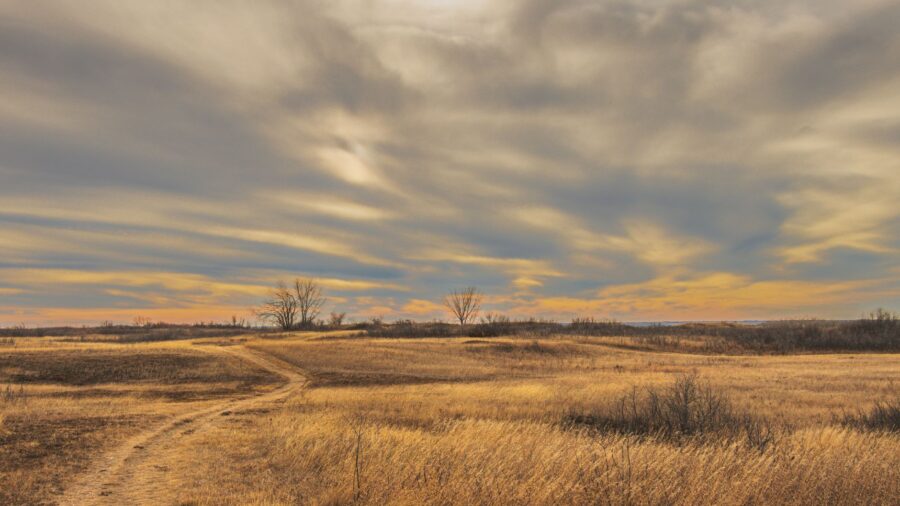
Dawn might be the best time to visit, when mist settles over the grass and the light turns gold. Spring brings early wildflowers and newborn bison calves grazing in the distance. Summer fills the prairie with deep green grass, butterflies, and birdsong that never really stops. Fall sets the whole landscape aglow in copper and amber across the rolling hills. Come back in a different season and you’ll swear you’re looking at a different place entirely. Shutterstock
Visiting Nachusa Grasslands in Illinois
You’ll find Nachusa Grasslands at 2075 Lowden Road in Franklin Grove, Illinois, spread across Lee and Ogle counties. The preserve and Visitor Center stay open daily from dawn to dusk, and the exhibits inside walk you through the prairie’s history. You can watch for bison from the overlook or roadside viewing areas, but stay at least 100 yards back and don’t enter the fenced unit on foot. Wear sturdy shoes, pack water and sun protection, and leave pets at home. The Conservancy also runs occasional free guided hikes and seasonal bison tours, so check ahead for dates. This article was created with AI assistance and human editing. Read more from this brand:
Bison roam an Illinois prairie for the first time in 200 years
Three hours from Chicago, Illinois turns into bluffs, caves, and thick river forest
An hour from St. Louis, Illinois River bluffs hide the state’s largest park
The post Bison vanished from Illinois in the 1800s, but this prairie brought them roaring back appeared first on When In Your State.
Leave a Reply