Lake Meredith Rises From the Texas Panhandle’s Canyon Country Just North of Amarillo: Here’s what to know
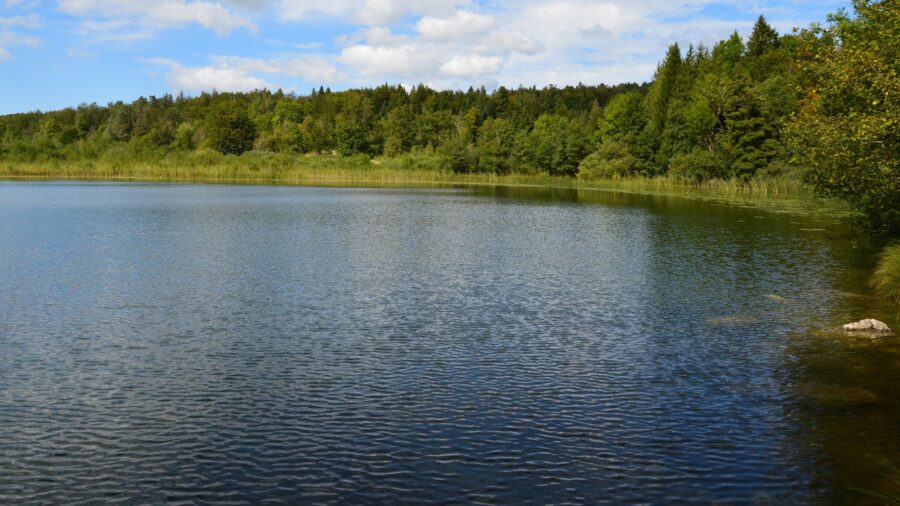
About 30 miles north of Amarillo, the monotony of flat Panhandle grassland gives way to something unexpected. The Canadian River spent millennia carving steep canyon walls here, some plunging 200 feet through red and white rock, before Sanford Dam flooded the canyon floor and created Lake Meredith. Sprawling across nearly 45,000 acres of public land, it ranks as the largest such expanse in the Texas Panhandle, a place of mesas, hidden coves, and jagged canyon formations that feels more like the broader Southwest than the surrounding plains.
Human presence in these canyons stretches back at least 13,000 years, when early hunters tracked game and sourced water and colorful stone from the mesas. Around a millennium ago, the Antelope Creek people constructed stone dwellings into the canyon walls. The Comanche and other Plains tribes later inhabited and traveled this territory. The area received its National Recreation Area designation in 1990, though the history it holds runs far deeper than that federal boundary. Today the lake accommodates powerboats, sailboats, and personal watercraft, with multiple launch ramps distributed around the shoreline. When Panhandle winds build, sheltered coves offer calmer conditions, and water skiers and windsurfers spread across the open water on busier days. A designated swim beach at Spring Canyon keeps boat traffic out, while Cedar Canyon and sandy shoreline stretches near campgrounds provide easy access to the water. Anglers target walleye, bass, catfish, and crappie from both boats and the bank, and the lake’s many inlets give fish ample structure to concentrate around. Two hiking routes offer contrasting terrain: the Harbor Bay Trail climbs through mesas and canyons with broad views over the water, while the South Turkey Creek Trail follows flatter shoreline ground. The Mullinaw Trail travels the Canadian River corridor through cottonwood groves that turn gold each fall, with raptors, cardinals, and woodpeckers moving through the canopy above. Mule deer, white-tailed deer, pronghorn antelope, coyotes, bobcats, prairie dogs, and beavers all inhabit the recreation area, and the state-designated Panhandle Plains Wildlife Trail through Blue West and McBride Canyon gives visitors the best chance to spot them at dawn or dusk. Birders have logged over 230 species across the area, drawn by the mix of water, wetland, and grassland habitat. Bald eagles, pelicans, sandhill cranes, burrowing owls, and migrating waterfowl all pass through during spring and fall migrations. Off-road riders have two dedicated zones at Rosita Flats and Blue Creek, where sand, mud, and varied terrain border both the lake and the Canadian River. A free NPS permit and a Texas ORV decal are required to ride, and helmets and eye protection are mandatory within the marked boundaries. Adjacent to the lake, Alibates Flint Quarries National Monument preserves more than 700 ancient quarry pits on a mesa top where people extracted colorful flint — running through reds, oranges, yellows, blues, and greens — for tools and spear points across 13,000 years of continuous use. The site is accessible only through ranger-led hikes.
Rangers at Lake Meredith host Star Party events where telescopes are set up for public viewing of star clusters, planets, and distant galaxies. Children who attend the evening programs can earn a Junior Ranger Night Explorer patch. The Panhandle’s distance from urban light pollution makes the Milky Way visible overhead on clear nights in a way rarely seen from city locations.
Lake Meredith National Recreation Area lies roughly 30 to 40 miles north of Amarillo, with park headquarters at 419 E. Broadway St. in Fritch, Texas. Admission and primitive camping carry no fee, though a Texas fishing license is required to fish and motorized boats must be registered with the state. Water levels can vary considerably between seasons and years, so checking current conditions before a boating trip is recommended. Visitors should arrive with ample water, sun protection, and layers suited to shifting Panhandle winds.
Leave a Reply