Listen closely and this Death Valley salt field pops and pings in the heat: Here’s what to know
Shutterstock
It’s the desert’s strangest sound
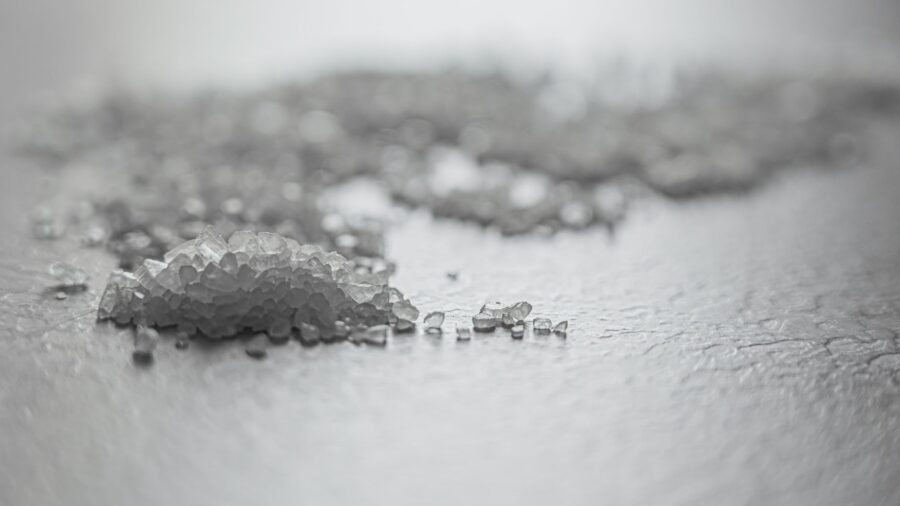
You stand in the middle of Death Valley, and the ground talks back. Devil’s Golf Course sits on the valley floor in eastern California, not far from Badwater Basin, the lowest point in North America. Thousands of jagged salt spires cover the earth in every direction, and on a hot day, you can hear them pop and ping as the crystals expand. The name came from a joke. The landscape came from an ancient lake. And the sound comes from nowhere else. Shutterstock
Only the devil could play a round here
A 1934 National Park Service guidebook gave this place its name. The writer looked at the ground, covered in sharp salt ridges and broken edges, and wrote that only the devil could play golf on it. The salt itself goes back thousands of years, to a time when ancient Lake Manly filled the entire valley with water. When the lake dried up, it left all that salt behind. Wind and rain did the rest, carving what remained into the jagged spikes you see today. Shutterstock
Billions of tiny crystals burst in the heat
Walk out on a warm afternoon and listen. You’ll hear a faint metallic cracking, like something tapping from below. That sound comes from billions of tiny salt crystals expanding and bursting apart as the temperature rises. Some people describe it as popping. Others say it pings. Either way, you won’t hear anything like it anywhere else on Earth. The hotter the day, the louder it gets, so summer visits come with a built-in soundtrack. Wikimedia Commons/Lucas·G
Salt clumps stretch to the horizon in every direction
The formations spread out as far as you can see, rough and twisted and nothing like flat ground. Up close, each clump holds thousands of tiny crystals packed together. The salt pushes up from below the surface into shapes that look sculpted by hand, though nobody made them. They shift and change constantly as weather breaks them down and new salt rises. No two visits look the same, because the ground never stops moving. Wikimedia Commons/Brian MacIntosh
Miners drilled down and found salt 1,000 feet deep
What you see on the surface barely hints at what sits below. Early miners drilled holes into the ground here and found that the salt and gravel beds run more than 1,000 feet deep.
Salty water rises from far below, reaches the surface, and dries out in the desert heat. That cycle has repeated for thousands of years, building layer on layer. The area sits slightly higher than nearby Badwater Basin, so seasonal flooding never washes it away. Shutterstock
Each spire takes 35 years to grow one inch
The salt formations look ancient because they are. Each spire rises only about an inch every 35 years, which means some of the taller ones have been building for a very long time. That slow growth makes them fragile. One touch can crumble the tiny structures on top. The park asks you to tread carefully if you step off the parking area, because what took decades to form can break apart in a second. Wikimedia Commons/samiamx
Morning light turns the salt field gold
If you bring a camera, come early or stay late. Morning and evening light pull out the best colors in the salt, and the mountains behind the field frame every shot. Midday sun washes the whole scene flat and white, so timing matters. The other advantage of coming early is the crowd, or the lack of one. Most visitors head straight to Badwater Basin or Zabriskie Point, so you may have the entire salt pan to yourself. Shutterstock
Most visitors drive right past it
Devil’s Golf Course stays quiet because so many people skip it. That works in your favor. The wide, open view stretches in every direction with nothing blocking it, and the silence out here is the real kind, deep and full. Families with curious kids do well here because the salt formations sit right next to the parking area. You don’t need to hike. You just need to stop, look, and give yourself a few minutes. Shutterstock
The salt will cut you if you fall
Those spires look rough, and they are. The edges can slice skin open, and a fall on this ground could mean painful cuts or worse. Sturdy, closed-toe shoes are non-negotiable if you step out onto the formations. The park recommends viewing everything from the parking area for a reason. If you do walk out, go slowly. The ground is uneven, the footing is tricky, and there’s no smooth path through any of it.
Read more from this brand:
Near Stovepipe Wells, the desert splits open into polished marble
This corner of Death Valley glows red and green at sunset, and science explains why
Death Valley’s golden badlands look like another planet, and the walk up takes minutes
The post Listen closely and this Death Valley salt field pops and pings in the heat appeared first on When In Your State.
Wikimedia Commons/samiamx
A dirt road drops you right at the edge
Getting here takes almost no effort. A short dirt road turns off the main park road and ends at a small parking lot. The salt formations sit right there, just steps away. You can see them without walking far at all. The road can close after heavy rain, but when it’s open, most standard cars handle the gravel without trouble. No four-wheel drive required, just dry weather and a little curiosity. Wikimedia Commons/Daniel Mayer
Table salt built this entire landscape
The white crust beneath your feet is mostly halite, the same mineral that fills your salt shaker at home. It formed as ancient lake water evaporated and left its minerals behind. Over time, those minerals hardened into a thick crust. Heat, wind, and rain keep reshaping it year after year, cracking some pieces apart and pushing new ones up. The whole field is alive in that way, always breaking down and rebuilding itself at the same time. Wikimedia Commons/U.S. Geological Survey
Four more Death Valley stops sit within a short drive
Badwater Basin is just down the road, sitting 282 feet below sea level on the lowest ground in North America. A short drive south takes you to Artist’s Palette, where mineral-streaked hills show bands of red, green, and purple across the rock. Zabriskie Point draws photographers at sunrise and sunset. And Dante’s View puts you high above the valley floor, looking down over everything. You can hit all of them in a single day. Wikimedia Commons/logopop
Walk the salt field at Devil’s Golf Course in California
You can find Devil’s Golf Course off Badwater Road, between Furnace Creek and Badwater Basin. A short dirt road leads to the parking area, though the road can close after rain. Death Valley National Park charges an entry fee, and the park stays open year-round. The cooler months make for the most comfortable visits, and morning or evening light gives you the best view of the formations. Check the official website for current road conditions before you go. This article was created with AI assistance and human editing. Read more from this brand:
Near Stovepipe Wells, the desert splits open into polished marble
This corner of Death Valley glows red and green at sunset, and science explains why
Death Valley’s golden badlands look like another planet, and the walk up takes minutes
The post Listen closely and this Death Valley salt field pops and pings in the heat appeared first on When In Your State.
Leave a Reply