New tipping confusion leaves Americans questioning what they should pay: As the story develops
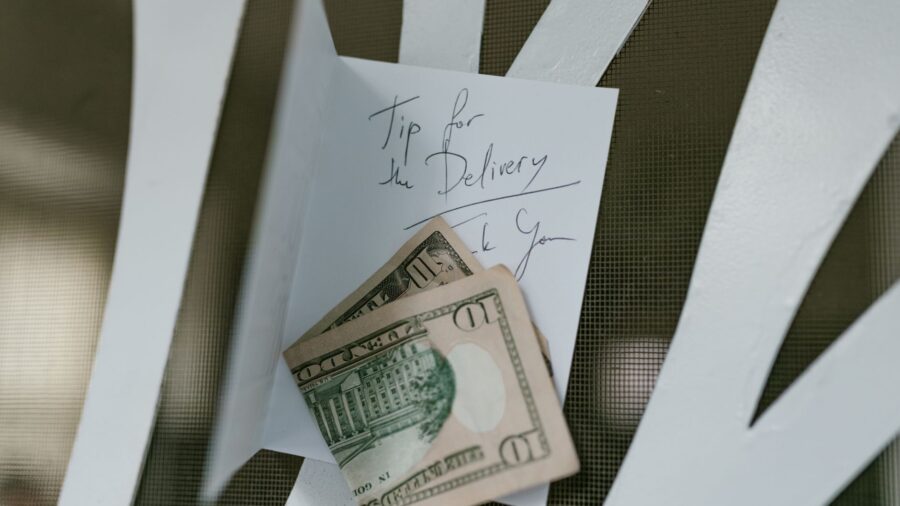
svershinsky/Depositphotos
Tipping in America sparks frustration
Ever bought a coffee and suddenly faced a screen asking for a 25% tip? Across America, digital payment systems are making tipping feel more complicated than ever. Customers now encounter tip requests in places where gratuities were once uncommon. This growing trend has sparked frustration among shoppers and diners. Many Americans are wondering when tipping is expected, how much is appropriate, and when declining is perfectly acceptable. 8th/Depositphotos
American tipping rules have deep roots
Tipping in America developed into a common practice in restaurants, hotels, and other hospitality businesses. Over time, many service workers came to depend on gratuities as an important part of their earnings. Under federal law, qualifying employers may pay tipped workers as little as $2.13 per hour in direct wages, provided their tips bring total earnings to at least the federal minimum wage of $7.25 per hour. However, employers must ensure workers receive at least the applicable minimum wage when tips and wages are combined. Depositphotos
American tipping habits keep changing
American tipping habits have changed considerably over the years. Restaurant tipping expectations have changed over time, and modern etiquette guidance generally suggests leaving 15% to 20% of the pretax bill for traditional sit-down service. Those expectations can leave diners uncertain when payment screens suggest even higher amounts. While generous tipping remains common, customers still have differing opinions about what constitutes fair compensation for everyday service. Depositphotos
Some states follow different wage rules
Not every restaurant server in America earns the same base wage. States such as California, Oregon, and Washington require employers to pay workers the full state minimum wage before tips are added. Despite these differences, customers generally follow similar tipping customs at restaurants. These differences have fueled discussions about whether tipping expectations should change when restaurant workers already receive the full minimum wage before gratuities. Fun fact: California prohibited employers from using customer tips as a credit toward minimum wage obligations long before modern digital tipping became common. Depositphotos
Restaurant tips remain widely expected
Sit-down restaurants remain one of the clearest places where Americans expect to leave gratuities. Servers take orders, deliver meals, refill drinks, and assist with the dining experience. Etiquette guidance generally recommends tipping between 15% and 20% of the pretax bill.
Although customers can adjust the amount based on service, leaving a tip remains a strong social custom in traditional full-service restaurants. Depositphotos
Checkout screens create new pressure
Digital payment terminals increasingly display suggested tip amounts before customers complete their purchases. These screens can present several percentage options, sometimes beginning at 18% or 20%, even for relatively simple transactions. Seeing those suggestions while employees wait nearby can make the decision uncomfortable. However, a displayed recommendation does not automatically mean tipping is expected, and customers can generally choose another amount or decline altogether. Fun fact: A 2025 Bankrate survey found that 38% of Americans were annoyed by payment screens showing preset tip suggestions. Depositphotos
Coffee shops follow different customs
Buying a morning coffee can now come with a familiar question: Would you like to leave a tip? Many cafes display suggested gratuities, even when customers simply order a drink and collect it themselves. Unlike at full-service restaurants, tipping at coffee shops is generally optional. Customers may leave something extra for friendly service, complicated orders, or regular visits, but declining a tip is not considered unusual. nadtochiy/Depositphotos
Counter service brings mixed expectations
Fast-casual restaurants and takeout counters have increasingly added tip requests to their payment systems. Customers might see several suggested percentages before collecting the food they ordered directly at the register. Etiquette experts generally distinguish these transactions from meals involving dedicated table service. Although leaving something extra is appreciated, it remains a personal choice rather than a standard requirement. Customers should feel comfortable selecting an amount that fits. Depositphotos
Self-checkout tips surprise shoppers
Self-checkout machines were designed to let customers complete purchases without direct assistance. When a self-service checkout screen offers a tipping option, shoppers may wonder why gratuity is being requested when they completed most of the transaction themselves. These unexpected requests can leave people wondering who would receive the money. Since self-checkout usually involves little personal service, tipping is not a standard expectation. Customers can review the screen and decline optional gratuities. chekyravaa/Depositphotos
Retail purchases raise fresh questions
Tipping requests are no longer limited to restaurants and coffee shops.
Read More From This Brand:
Steakhouse chain liable for $21 million after ruling on unlawful tipping practices
Shake Shack faces backlash as tipping fatigue grows
America’s tipping backlash grows and new laws are following
The post New tipping confusion leaves Americans questioning what they should pay appeared first on When In Your State.
Some retail businesses now offer gratuity options through payment terminals, even when customers are purchasing ordinary products rather than receiving traditional personal services. These prompts can create confusion because tipping retail workers is not an established American custom. Etiquette guidance generally treats ordinary retail transactions differently from service-based experiences, leaving customers free to decline unfamiliar requests. Depositphotos
High tip suggestions face resistance
Customers are becoming more vocal about unusually high tip suggestions, particularly when little direct service is involved. A payment terminal requesting 25% or 30% can make an ordinary purchase feel more expensive than expected. Bankrate’s 2025 survey found that 27% of Americans said they tipped less or not at all when presented with a payment screen containing preset tip suggestions. The reaction highlights growing frustration with businesses presenting large gratuity suggestions for transactions where customers previously paid only the listed price. Depositphotos
Automatic charges add more confusion
Restaurant bills sometimes include automatic gratuities or service charges, creating another question for customers. These fees may appear for large groups, special events, or certain dining arrangements, depending on restaurant policies. Under IRS rules, mandatory service charges, including automatic gratuities that customers cannot decline, are treated differently from voluntary tips. Diners should check whether the charge is required and ask how it is distributed before deciding whether to leave anything extra. For another tipping update tied to restaurant wages, service charges, and customer expectations, see why Seattle’s minimum wage is putting tipping practices under fresh scrutiny. Depositphotos
Knowing when to tip brings clarity
Understanding common tipping practices can help Americans avoid unnecessary stress at checkout. Full-service restaurants generally call for 15% to 20%, while coffee shops, takeout counters, and ordinary retail purchases allow greater personal discretion. Customers can also check receipts, review suggested percentages, and consider the service received before deciding. With tip requests appearing in more places, making informed choices helps balance appreciation for workers with personal spending limits. For another tipping update tied to restaurant policies, customer expectations, and checkout choices, see why a viral Chipotle post sparked fresh debate over tipping rules. Would you prefer restaurants to include service charges upfront rather than leaving customers to figure out the right tip? Share your thoughts and drop a comment. This slideshow was made with AI assistance and human editing. Read More From This Brand:
Steakhouse chain liable for $21 million after ruling on unlawful tipping practices
Shake Shack faces backlash as tipping fatigue grows
America’s tipping backlash grows and new laws are following
The post New tipping confusion leaves Americans questioning what they should pay appeared first on When In Your State.
Leave a Reply