Pass Christian: The Mississippi Gulf Coast Town Locals Keep to Themselves: Here’s what to know
Most drivers heading east on Highway 90 never give it a second glance. Their destination is Biloxi, about 25 miles away, where casino lights dominate the horizon. What they miss is Pass Christian — known to residents simply as “the Pass” — a small waterfront community of roughly 6,500 people bordered by water on three sides, with no gambling floors, no neon, and a pace of life that feels decades removed from its neighbors. The harbor is active, the beach uncrowded, and the town’s rhythms take at least a day to fully absorb.
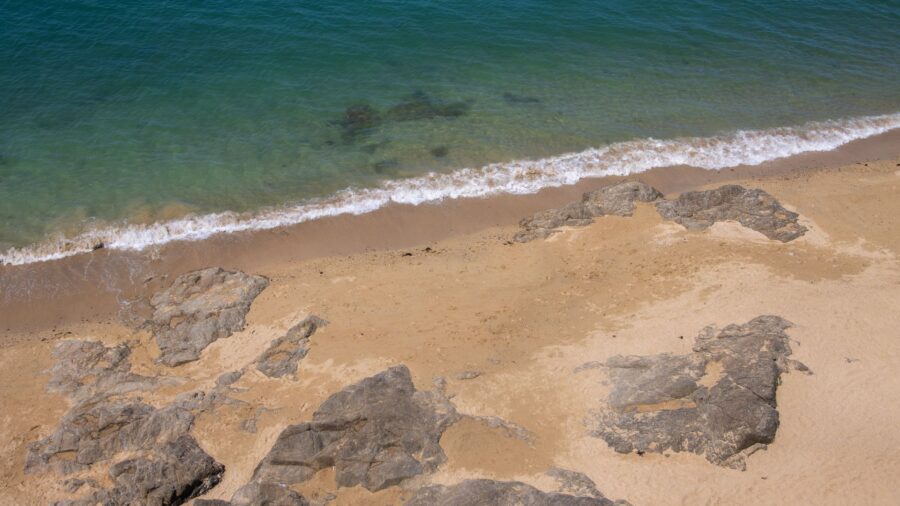
The area’s history stretches back to the late 1600s, when French explorers discovered the channel and named it “Passe aux Huitres” — Oyster Pass — after the shellfish they found in its waters. The town was formally chartered in 1848, and wealthy New Orleans families quickly recognized its appeal, constructing summer estates along the beachfront to escape the city’s heat. By 1849, the South’s first yacht club had been established here, anchoring the Gulf Coast’s earliest sailing heritage to this stretch of shoreline. That antebellum era earned Beach Boulevard the nickname “Riviera of the South,” a grand canopy of live oaks arching over the road while the Mississippi Sound stretches wide to the south. The Pass Christian Isles neighborhood, built around canals feeding into the Sound, and the nearby Bay St. Louis bridge path — more than two miles each way with open water on both sides — extend that waterfront character to the town’s western edge near Henderson Point, where an unobstructed view across the Sound turns gold at sunset with nothing between visitors and the horizon. The beach itself runs along the Mississippi Sound rather than the open Gulf, keeping the water calm and the shoreline gentle, with Harrison County maintaining the white sand through regular grading and debris removal. War Memorial Park, set a block off Davis Avenue at the water’s edge, draws locals every weekend morning with its heavy-canopied live oaks, Spanish moss, picnic tables, and direct beach access. Bottlenose dolphins pass through the Sound regularly, brown pelicans work the piers, and stingrays and sea turtles appear in the shallows — the water quality evident in the wildlife it supports. Downtown along Davis Avenue, small galleries showing Gulf Coast artwork, antique shops, and boutiques occupy a compact, walkable stretch of oak-lined streets that can be covered in a single unhurried afternoon. At the harbor, shrimp boats return before breakfast to unload at the commercial docks, and nine oyster reefs spread across roughly 20 square miles just offshore, with oystering passed down through local families for generations. Two concrete breakwater walls offer nearly 1,000 feet of public fishing access, where anglers target speckled trout, redfish, and flounder depending on the season.
“The harbor’s working character is something you pick up on quickly, and it’s one of the things that makes this waterfront feel earned rather than staged.”
Pass Christian Harbor is located at 115 Market St., approximately 25 minutes west of Gulfport-Biloxi International Airport via Highway 90. The public beach runs along West Beach Boulevard and entry to both the beach and harbor is free. The harbor includes a fishing pier, three public boat launches, and a waterfront park with pavilions, grills, playgrounds, and beach volleyball. Summer offers the warmest beach conditions, while spring and fall bring milder temperatures and morning fog that settles low over the Sound before clearing by midday.
Leave a Reply