Red cliffs, running water, zero crowds: Welcome to Afton Canyon, California: Officials say
Wikimedia Commons/blmcalifornia
California’s wildest canyon isn’t far
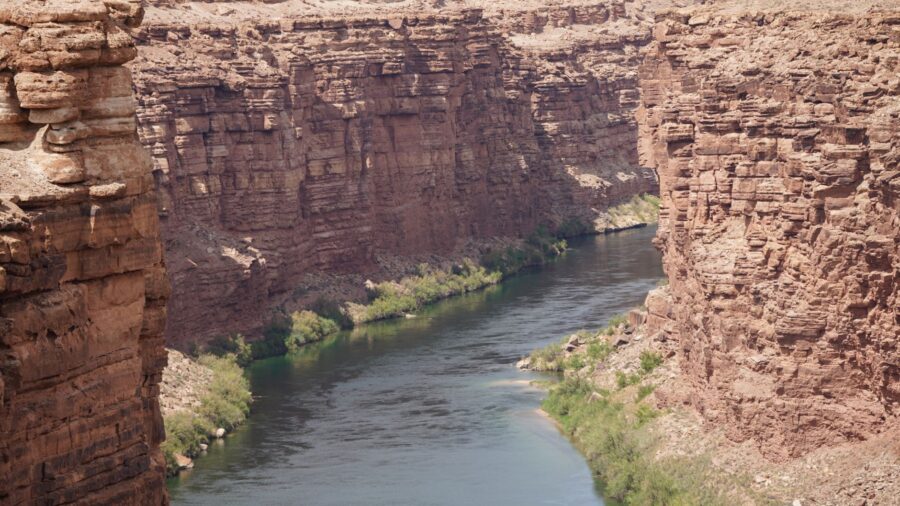
You can drive two hours east of Los Angeles, turn south off Interstate 15, and end up somewhere that feels nothing like the California you know. Afton Canyon cuts through the Mojave Desert about 35 miles east of Barstow, and the contrast hits you the moment the road drops in. Red and pink cliffs rise above a river you can actually see. In the middle of one of the driest places in North America, water runs here every day of the year. That’s what makes this place worth the long drive. Wikimedia Commons/blmcalifornia
An Ice Age lake carved these walls
The canyon didn’t form slowly. About 25,000 years ago, a nearby Ice Age lake called Lake Manix filled up and overflowed, sending a wall of water rushing east. That flood tore through soft sediment barely harder than dried mud, cutting a gorge that now runs more than 150 meters deep in places. You can see the results in the rock walls around you, red, pink, and tan layers stacked up like pages from a very old book. Every layer is a chapter in a story that started before humans walked this desert. Wikimedia Commons/blmcalifornia
The river rises to the surface right here
The Mojave River spends most of its life underground. Across wide stretches of the desert, it sinks into the sand and disappears. But at Afton Canyon, shallow bedrock pushes the water back up to the surface, and it stays there. This is one of only three places along the entire river where that happens year-round. The result is a strip of green cutting through bare canyon walls. Willows and reeds line the bank where nothing should grow. The water doesn’t look dramatic, but it’s been sustaining life out here since ancient times. Wikimedia Commons/blmcalifornia
Bighorn sheep come down to the water’s edge
That steady water pulls animals in from miles of surrounding desert. Bighorn sheep pick their way down the canyon walls to drink at the river. Coyotes and bobcats leave tracks in the wet sand near the stream. Birds crowd into the willows and marshy patches along the bank. The Bureau of Land Management has designated the canyon as a wildlife watching area, and on a quiet morning, you can stand near the water and watch the desert come to life around you without making a sound. Wikimedia Commons/Jesse Pluim, BLM
Cattails and willows bring birds from far away
The riverside plants don’t just feed the animals that live here. They pull in species from well beyond the desert, birds that track water through the landscape and stop where they find it.
Cattails, willows, and reeds create the kind of cover that birds need to rest, feed, and breed. The mix of dry desert terrain and wet streamside habitat puts two very different worlds side by side, and that means you can spot species in one short walk that you wouldn’t normally see together anywhere else. Early morning and evening are when the stream comes alive. Wikimedia Commons/blmcalifornia
Side canyons split off and lead somewhere unexpected
The main gorge has company. Several smaller canyons branch off from the walls on either side, and some of them pinch down into tight slot canyons with sheer rock on both sides. A few open up into caves worth ducking into. The light and shadow in the narrow passages shift through the day, and the rock walls show off colors and textures you don’t see from the canyon floor. You’ll need to leave the main path to find them, but the hikers who do almost always say it was worth the detour. Wikimedia Commons/blmcalifornia
The canyon floor trail follows the river’s edge
The main hiking route runs right along the Mojave River through the heart of the canyon. The terrain changes under your feet as you go, from flat sandy stretches to sharp rock and open bluffs. In spots where thick plant growth blocks the bank, you may need to step through shallow water to keep moving. Towering walls rise on both sides, and the green along the river presses up against bare rock in a way that looks almost staged. The city is roughly two hours behind you, but out here it feels much farther. Wikimedia Commons/blmcalifornia
Storms wash out new rocks for collectors to find
Rockhounds have known about Afton Canyon for years. The eroded walls and dry washes expose minerals and colorful rock that collectors sort through on hands and knees. After a storm, the soft sediment shifts and reveals fresh material, so each visit turns up something different. The canyon’s geologic history is layered into every wash and gully you pass. You don’t need to be a serious collector to enjoy it. Most people just end up pocketing a few interesting stones without planning to. Wikimedia Commons/Bureau of Land Management California
Freight trains still rumble through on tall trestles
A working railroad crosses Afton Canyon on a set of tall, dramatic trestles built in the early 1900s. Union Pacific still runs freight through here, and when a train comes through, the sound fills the canyon from wall to wall. For photographers, the trestles against the cliff backdrop are one of the most distinctive shots in the Mojave. For everyone else, a passing train is just a reminder that this remote corner of the desert has been connected to the wider world for well over a hundred years. Wikimedia Commons/blmcalifornia
No city glow reaches the canyon at night
The canyon sits deep in the Mojave, far from any town big enough to wash out the sky.
Wikimedia Commons/blmcalifornia
Camp and explore Afton Canyon Natural Area in California
To get there, take Interstate 15 east from Barstow about 35 miles to the Afton exit, then head south on a graded dirt road for about three miles to the campground and parking area.
The walls recede around you after dark, blocking stray light from every direction. On a clear night, the Milky Way crosses the sky from one wall to the other. Stargazers make the drive specifically for views like this, the kind that require genuine darkness, the kind that most Americans haven’t seen since childhood. The desert goes quiet after sunset, and the sky takes over. Wikimedia Commons/blmcalifornia
Every hour of light changes the canyon walls
The red and pink rock picks up warm color at sunrise and again just before dark, and the green plants along the river throw the contrast into sharp relief. Slot canyons catch and bend the light differently as the sun moves, and the shadows in the narrow passages shift from hour to hour. The railroad trestles frame a wide desert shot that changes depending on when you get there. Pull out a camera or just stand there. The scene resets itself all day long. Wikimedia Commons/blmcalifornia
Water, rock and silence in one compact desert gorge
Afton Canyon packs a lot into a small area. You get cliffs, a living river, wildlife, geology, dark skies, and the occasional freight train in a setting that most people drive right past on the interstate without knowing it’s there. The green along the water and the bare canyon walls around it look like they belong to two different places. The dirt road south from the highway is only three miles, but it takes you somewhere that feels nothing like the world you left behind. Wikimedia Commons/blmcalifornia
Camp and explore Afton Canyon Natural Area in California
To get there, take Interstate 15 east from Barstow about 35 miles to the Afton exit, then head south on a graded dirt road for about three miles to the campground and parking area. The Bureau of Land Management runs 22 primitive first-come campsites with shade structures, tables, fire pits, and vault toilets for $6 a night, with a 14-day limit. Bring all your own water. A California Campfire Permit is required for fires, and current restrictions may prohibit them. Flash floods, extreme heat, rattlesnakes, and unreliable cell service are real concerns, so come prepared. Stock up on food and fuel in Barstow or Baker before you head in. This article was created with AI assistance and human editing. Read more from this brand:
Zzyzx isn’t a typo; it’s California’s strangest desert exit, and it’s full of water
Walk the San Andreas Fault, watch a superbloom, and see almost nobody. All in one California valley
The Mojave Desert is hiding 500 rock spires on a cracked lakebed near Ridgecrest
The post Red cliffs, running water, zero crowds: Welcome to Afton Canyon, California appeared first on When In Your State.
Leave a Reply