Six waterfalls in one trail? Virginia’s Shenandoah canyon never stops falling: And what happens next
Wikimedia Commons/ForestWander
The canyon that keeps falling
Whiteoak Canyon sits inside Shenandoah National Park, and the numbers alone set it apart. Six waterfalls. One gorge. More cascades per mile than any other stream in the park. The tallest drop runs 86 feet. The trail stays close to rushing water almost the entire way, and the sound follows you like a soundtrack you didn’t ask for but won’t want to turn off. There’s a version of this hike for every kind of hiker, and there’s a reason the parking lot fills early. Wikimedia Commons/National Park Service
Where the canyon’s giant trees used to stand
The Robinson River carved this gorge over a very long time, and for most of that time, enormous old-growth hemlock trees lined the slopes. Some stood for hundreds of years, filtering light down into the rocky stream below. Then a tiny insect called the hemlock woolly adelgid moved in and killed most of them. You’ll notice the gaps in the canopy where those trees once crowded the sky. Young hemlocks are slowly coming back now, pushing up between the ferns and boulders, and the canyon still holds its shape. Shutterstock
The 86-foot upper falls stop you cold
Upper Whiteoak Falls is the reason most people make the drive. It drops 86 feet over a series of rocky ledges into a deep pool, making it the second-highest waterfall in all of Shenandoah National Park. A rocky overlook near the top puts you eye-level with the upper cascade, framed on both sides by rock walls that channel the water straight down. It’s the kind of view that makes people stop walking and just stand there. Give yourself more time here than you think you need. Wikimedia Commons/Shenandoah National Park
Five more falls follow one after another
Below the upper falls, five more drop through the gorge in quick succession. Each one has its own shape. Some spread wide across the rock face. Others squeeze into narrow chutes that shoot the water into the air. The trail switchbacks away from the stream and then circles back, giving you a new angle each time. Smaller unnamed cascades tumble between the six main falls, so water rarely disappears from view for long. The first two falls below the upper are often the crowd favorites.
Shutterstock
Cold mountain pools perfect for cooling off
Clear pools collect at the base of several falls along the trail, and on a warm afternoon they pull people off the path like a magnet. The water runs cold even in August, fed by mountain springs and shaded gorge walls that block the afternoon sun. Your feet will feel it the second they hit the water. These spots fill up on summer weekends, so if you want a pool mostly to yourself, come early or aim for a weekday. The lower swimming hole sees the most traffic by far. Shutterstock
Slide down smooth rock at Cedar Run
A connector trail links Whiteoak Canyon with the Cedar Run Trail, and together they form a loop past even more falling water. Cedar Run has its own waterfalls and hidden pools, but the draw that brings people back is the natural rock slide, a smooth stretch of stone where you can slide straight into the water below. The Cedar Run side of the loop tends to run quieter than the main canyon, with fewer people on the trail at any given time. It rewards hikers willing to add the extra miles. Shutterstock
Two easy miles to the lower falls
Not every hike here has to be a full-day push. Lower Falls sits just about a mile from the lower trailhead, making the round trip a manageable two miles on relatively gentle terrain. The path is easy to moderate, wide enough for families, and lands you at a shallow swimming hole ringed by flat rocks where kids can wade in without fighting a current. If you’ve got younger hikers in your group or just want a taste of the canyon without the strenuous climb, this is the route that makes sense. Shutterstock
The full loop earns every waterfall
Taking on the complete Whiteoak-Cedar Run loop is a different kind of day. The trail descends from the upper trailhead on Skyline Drive, which means the hard climbing comes on the way back out. Rocky footing and steep stone steps near the top slow most people down. Some hikers call this loop tougher than nearby Old Rag, which carries a serious reputation of its own. But you pass waterfall after waterfall on the way down, and the trail rewards patience. Plan for a full day and bring more food than you think you need. Shutterstock
The canyon looks different in every season
Spring brings the heaviest flow. Snowmelt and rain push Whiteoak Run high, and the falls thunder. By summer, the water drops a little, but the swimming holes open up and the gorge stays shaded and cool. Fall turns the forest above the gorge into a slow burn of reds and oranges, reflecting in the pools below. Winter quiets everything down, sometimes coating the ledges in ice and dusting the rocks with snow.
Read more from this brand:
Skyline Drive gave Virginia 105 miles of mountain road and 75 reasons to pull over
75 miles west of Washington, Virginia has waterfalls, bears, and 500 miles of trails
An hour from D.C., Virginia hides 200,000 acres of true wilderness
The post Six waterfalls in one trail?
Hikers who’ve come in all four seasons tend to call it a different hike every time. Wikimedia Commons/Shenandoah National Park
Brook trout, bears and birds share this gorge
The forest closing in around the trail stays thick and shady most of the day, which suits the wildlife that uses the canyon. Native brook trout hold in the cold, clear runs between pools, visible from the trail if you stop and look. White-tailed deer move through the wider park, and black bears live here too, so carrying bear spray and storing food properly matters. Birds move through the tree canopy along the water’s edge, and ferns, mountain laurel and young evergreens crowd the trail sides where the light reaches the ground. Wikimedia Commons/Katy Cain
The sound of the stream never leaves you
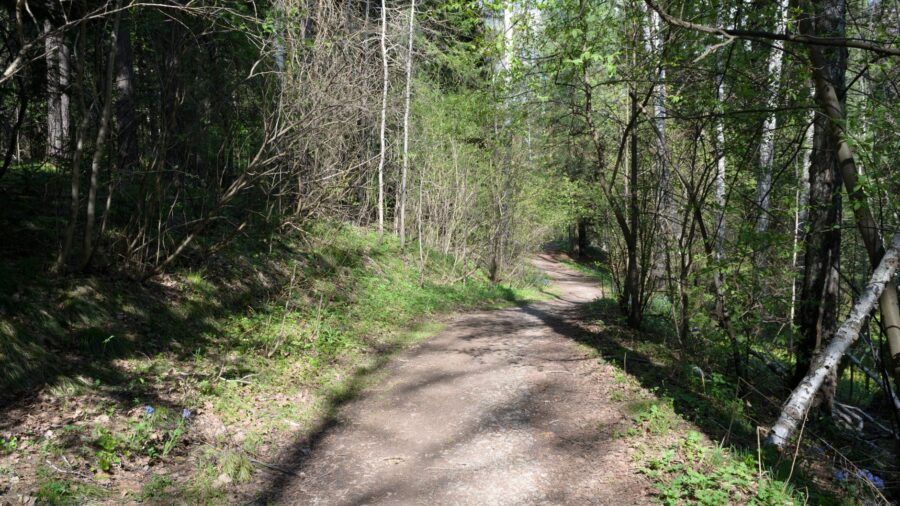
From the first steps down the trail, the water is with you. The sound of falling water follows you through the switchbacks, across the log crossings and over the sturdy bridges that carry the trail back and forth over the stream. Rock steps chiseled into the stone in places show just how long people have been walking this route. Open ledges break out of the forest every so often, giving you a long look down the gorge. At those moments, the scale of what the water has done over time is hard to ignore. Wikimedia Commons/Shenandoah National Park
Every kind of hiker finds something here
Short walkers can reach a waterfall in under an hour from either trailhead. Families can splash in the lower swimming hole without breaking a sweat getting there. Photographers find new angles almost every hundred yards, where the light through the gorge catches the water differently than the spot before. And strong hikers can chain the full loop together for one of the longer, harder days in the park. Few trails in Virginia pack this many waterfalls, this much cold water, and this much variety into a single gorge. Flickr/Vironevaeh
Hike Whiteoak Canyon in Shenandoah National Park, Virginia
You can reach the lower trailhead at 187 Chad Berry Lane in Syria, Va., which puts you closest to the swimming holes and the easier section of trail. The upper trailhead sits on Skyline Drive near mile marker 42.6 in Luray, Va., and works well if you’re starting from the park road. A park entrance pass is required; a private vehicle pass runs $30 for seven days. Cell service drops out near both trailheads, so download your maps and trail info before you leave the highway. The nearby Limberlost Trail is fully accessible and connects to the Whiteoak Canyon Trail for visitors who need a flat, paved loop. This article was created with AI assistance and human editing. Read more from this brand:
Skyline Drive gave Virginia 105 miles of mountain road and 75 reasons to pull over
75 miles west of Washington, Virginia has waterfalls, bears, and 500 miles of trails
An hour from D.C., Virginia hides 200,000 acres of true wilderness
The post Six waterfalls in one trail? Virginia’s Shenandoah canyon never stops falling appeared first on When In Your State.
Leave a Reply