Sleeping Bear Dunes has a farm town time forgot, and you can walk right in: And what happens next
Wikimedia Commons/NPS
A Farm Town Frozen In Time
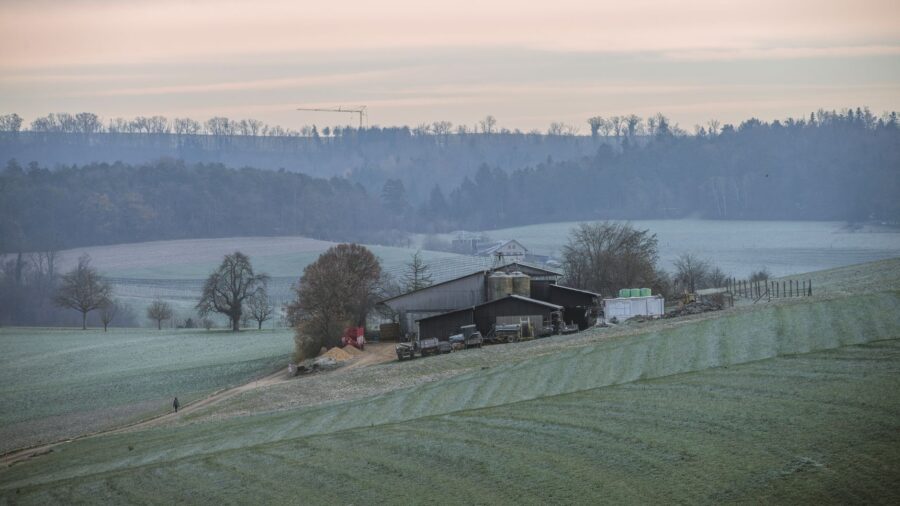
Off M-22 near Glen Arbor, inside Sleeping Bear Dunes National Lakeshore, you can walk into a farming village that never got torn down. Port Oneida spreads across about 3,400 acres of open fields, wooded ridges, and lakeshore, and it holds one of the largest and most complete stretches of historic farmland still in public hands anywhere in the country. Weathered barns lean in the fields. Farmhouses and a one-room schoolhouse stand much as they did a hundred years ago. You’re not looking at a recreation. You’re standing in the real thing, and the story behind it starts with immigrants who never left. Wikimedia Commons/Royalbroil
German Settlers Named It After a Ship
German and Prussian immigrant families settled Port Oneida in the 1850s, and by 1860 the community had grown to about 87 people. They fished, logged, farmed, and boiled down maple syrup to get by, building a life on land that offered little room for error. The village took its name from the steamship Oneida, the first ship to ever stop at its dock. The district earned a spot on the National Register of Historic Places in 1997, and it became part of the national park in 1970, which is the only reason so much of it survived at all. Wikimedia Commons/NPS
Start Your Visit at the Olsen Farm
Begin at the Charles and Hattie Olsen Farm, now known as the Port Oneida Farms Heritage Center. Inside the restored farmhouse, you’ll find the original hardwood floors, the old pantry, and ornate woodwork still intact. Exhibits, videos, and maps walk you through the Native American and pioneer families who once worked this land. You can sit and listen to recorded interviews with descendants of the original settlers, hearing the history in their own words. Grab a tour guide and map here before you head out. Everything else in the district makes a lot more sense once you’ve stopped here first. Wikimedia Commons/NPS
Wander Among the Old Farmsteads
The district holds 121 buildings in total, including barns, milk houses, and sugar shacks scattered across the fields. Most stay closed on the inside, but nothing stops you from walking the grounds and getting close enough to see the joinery and the wear on the wood. The Olsen Farm is the exception. During seasonal open hours, you can step inside both the farmhouse and the large barn. Each farmstead you pass tells you something different about how a family lived, worked, and kept animals fed through a Michigan winter. Keep an eye out for the small sugar shacks once used to boil down maple sap. NPS
Visit the Kelderhouse Farm and Cemetery
The Kelderhouse Farm sits right beside the old Kelderhouse cemetery, and this stretch of land once held the community’s store and post office.
A log cabin here dates back to the late 1800s, built by the Kelderhouse family themselves. Nearby, the Port Oneida School once served as the social heart of the whole community, and the one-room schoolhouse still stands today with its old hand pump out front. You can picture kids lining up at that pump before the school bell rang. Not much else has changed since. NPS
Climb the Bay View Trail for the Views
The Bay View Trail gives you about 8 miles of loops through fields and forest, and you get to choose how much ground you want to cover. The shorter Farm Loop runs about 2.4 miles past open fields and the historic schoolhouse. If you want more, the Ridge Loop stretches about 4 miles along a wooded ridge. Either way, the path climbs through beech-maple forest, old farm fields, and a pine plantation. Compared to the busy dune trails elsewhere in the park, you’ll notice how quiet it stays here, even on a weekend. Wikimedia Commons/NPS
Take In the View at Lookout Point
Lookout Point puts you above fields of wildflowers and former farmland, with Lake Michigan and the countryside spread out below. Getting there only takes about half a mile from the trailhead, so you don’t need to plan your whole day around it. From the bluff, you look out over the water, and on clear days, North and South Manitou Islands sit visible offshore. A bench waits at the top, so you can sit down and stay a while instead of snapping a photo and turning back. Few spots in the park let you take in this much at once. Wikimedia Commons/NPS
Bike the Sleeping Bear Heritage Trail
The Heritage Trail runs right behind the Olsen Farm, cutting straight through the historic district. From west of the Bay View Trailhead to about 0.1 mile past Narada Lake, this section of the Port Oneida stretch is crushed limestone. Elsewhere, the wider paved sections stay smooth enough for bikes, strollers, and wheelchairs alike. You’ll roll over wetlands, through forest, and past old barns and homes without ever leaving the path. Benches line the route, so you can stop, rest, and take it all in before pushing on to the next stretch. Wikimedia Commons/Don Kennedy
Spot the Old Barns and Sugar Shacks
Old barns, milk houses, and granaries sit scattered across the open fields, and many of these outbuildings never moved from their original spots. The Thoreson Farm shows off a classic layout of barns and work buildings, giving you a sense of how a working farm here was organized. Beyond the main structures, you’ll find stone foundations, fence posts, and other quiet leftovers of daily farm life if you look closely enough. Some visitors treat the whole search like a treasure hunt, wandering field to field to see what they can find.
Read more from this brand:
This Michigan art town is small enough to walk in minutes and famous enough to shock you
The quietest corner of Pictured Rocks is a Michigan town of 234 people
Michigan has a national park with wolves, no roads, and one way in: a ferry
The post Sleeping Bear Dunes has a farm town time forgot, and you can walk right in appeared first on When In Your State.
You might catch yourself doing the same thing. Wikimedia Commons/NPS
Walk the Port Oneida Trailhead Path
A crushed-stone trail winds through wetlands and forest starting at the Port Oneida Trailhead, and it passes right by the Kelderhouse Farm, the old school, and the cemetery. Keep walking and the path reaches a boardwalk near Narada Lake. Parking and a simple restroom wait for you at the trailhead, so you can start fresh without backtracking to your car. This stretch connects to the larger Sleeping Bear Heritage Trail, meaning you can keep going for a longer ride or walk if half a mile isn’t enough for the day you had in mind. Wikimedia Commons/NPS
Come Alive at the Port Oneida Fair
Every August, the Port Oneida Fair brings these quiet farms roaring back to life. Teams of oxen and horses haul and bale hay the same way families did more than a century ago. You can watch blacksmiths, quilters, basket weavers, and broom makers work with their hands, then climb aboard a horse-drawn wagon for a ride between the historic farms. Old skills come alive here too, from butter making to candle dipping to soap making, all done the old way. A free shuttle carries you between farm sites, so you don’t have to worry about where to park or how far you’ll need to walk. Shutterstock
The Quiet Corner Most Visitors Skip
About 1.6 million people visit Sleeping Bear Dunes every year, yet Port Oneida stays one of the quietest corners of the entire Lakeshore. Empty roads and peaceful fields keep the crowds at a distance, even during busy months. Come fall, the beech-maple forest turns bright with color, and come summer, wildflowers fill the meadows edge to edge. None of it moves fast here, and that’s exactly the point. If you’re the kind of traveler who likes a slower pace and a genuine step back in time, this is where you’ll want to spend your afternoon. NPS
Visit the Port Oneida Historic District, Michigan
You’ll find the district off M-22 near Glen Arbor, tucked inside Sleeping Bear Dunes National Lakeshore. Start at the Olsen Farm Heritage Center, where maps, exhibits, and the full history of the place are waiting before you set out to explore the rest. Since Port Oneida sits inside the national lakeshore, you’ll need an entrance pass to get in, and a standard vehicle pass runs $25 for seven days. The lakeshore itself stays open 24 hours a day, though individual buildings and the heritage center keep their own seasonal hours. This article was created with AI assistance and human editing. Read more from this brand:
This Michigan art town is small enough to walk in minutes and famous enough to shock you
The quietest corner of Pictured Rocks is a Michigan town of 234 people
Michigan has a national park with wolves, no roads, and one way in: a ferry
The post Sleeping Bear Dunes has a farm town time forgot, and you can walk right in appeared first on When In Your State.
Leave a Reply