The Hawaiian Princess Who Owned a Palace But Chose to Sleep Outside: Authorities confirm
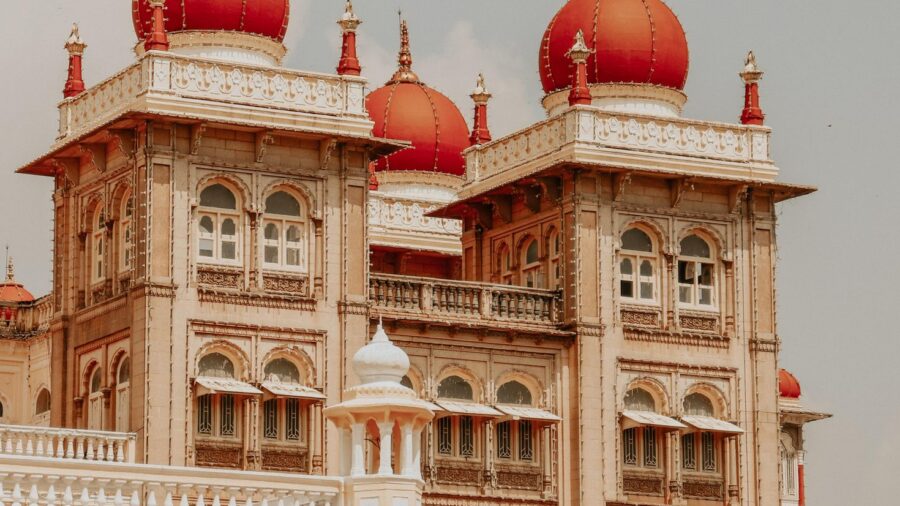
On the waterfront edge of Historic Kailua Village along Aliʻi Drive on Hawaii’s Big Island, Huliheʻe Palace stands as one of only three surviving former royal palaces in the entire United States. Overlooking Kailua Bay, the building features broad lanais that face the Pacific Ocean directly, with palm-shaded grounds surrounding the structure. Hawaiian monarchs used the site as a summer retreat for much of the 1800s, and more members of the royal family resided here at some point than at any other single residence across the islands. Among them was a princess who, despite owning the grand estate, preferred to rest her head somewhere far more humble.
High Chief John Adams Kuakini constructed the palace in 1838 during his tenure as governor of Hawaii Island, raising its walls from local lava rock bound together with coral mortar to a thickness of roughly three feet. Interior framing used koa and ʻōhiʻa timber harvested on the islands, and the overall design merged New England architectural influences with features adapted for the Hawaiian climate. Inside, six rooms spread across two floors contain koa wood furnishings, royal portraits, featherwork, Hawaiian quilts, tapa cloth, and personal heirlooms that reflect daily life among the Hawaiian nobility. A dining table once belonging to the Kalākaua family anchors one room, while a bust of King Kalākaua greets visitors in the entry hall alongside tall redwood pillars he had transported from California. Kalākaua acquired the property in 1884, modernized it the following year by plastering over the lava rock exterior, widened the lanais, added Victorian trim, and renamed it Hikulani Hale — meaning House of the Seventh Ruler — in reference to his position in the royal succession. Kings and queens from Kamehameha III through Queen Liliʻuokalani all stayed at Huliheʻe at various times, with Kamehameha IV and Queen Emma recorded as particularly frequent visitors who appreciated the escape from formal court life in Honolulu. By the 1920s the building had fallen into serious disrepair, hidden behind overgrown vegetation, until the Daughters of Hawaiʻi intervened. The Territory of Hawaii purchased the property in 1925, the Daughters assumed stewardship two years later, and on June 11, 1928, the restored building opened as a museum — after the group declined pressure to hand the site over for hotel development.
Princess Ruth Keʻelikōlani, a great-granddaughter of Kamehameha I, inherited Huliheʻe Palace and lived there for much of her life, yet she declined to sleep inside the stone building. Instead, she had a traditional grass house erected on the palace grounds and slept there, blending old Hawaiian customs with the European-style estate she called home. Her personal belongings remain on display inside the palace bedroom she never used.
Visitors to Huliheʻe Palace today can explore the rooms with a docent or follow a self-guided information sheet provided at the entrance; everyone removes their shoes before entering as a mark of respect. Once a month on a Sunday, the palace lawn hosts Afternoon at Huliheʻe, an event where hālau hula — hula schools — perform traditional dance on the grounds beside the bay, celebrating Hawaiian music and culture connected to the monarchs who once lived there. Directly across Aliʻi Drive stands Mokuʻaikaua Church, built with the same lava rock and coral mortar as the palace and still holding the title of tallest structure in Kailua-Kona at approximately 112 feet. The palace is located at 75-5718 Aliʻi Drive in Kailua-Kona and is open Wednesday through Saturday from 10 a.m. to 3 p.m., with last entry 30 minutes before closing. Self-guided admission is $16 for adults, $14 for visitors ages 6 to 17, free for children 5 and under, and $12 for kamaʻāina, seniors 65 and older, and military; guided tours cost $20 and generally begin around 11:30 a.m.
Leave a Reply