This free Alaska beach lets you watch eagles, whales and bears from the same stretch of sand: Officials say
Wikimedia Commons/Forest Service Alaska Region, USDA
Eagle Beach: Alaska’s wilder north shore
Twenty-seven miles north of Juneau, a 590-acre stretch of coast sits where two glacial rivers pour into the sea. Most visitors flying in and out of Juneau never make the drive. That’s exactly why you should. Eagle Beach State Recreation Area mixes old-growth rainforest, wide sandy shore, and salt marsh into one of Southeast Alaska’s richest wildlife corridors. The salmon run here. The bears know it. So do the eagles. And sometimes, just offshore, so do the whales. Wikimedia Commons/Gillfoto
Where the Eagle and Herbert Rivers reach the sea
The park sits at the confluence of the Eagle and Herbert Rivers, right where they empty into Lynn Canal. That meeting of freshwater and salt creates the kind of estuary that wildlife depends on. Spruce and hemlock forest press in from the landward side. Wetlands and salt marsh fill the low ground between the trees and the tide line. Out across the water, the Chilkat Mountains rise from the far shore. You get all of it at once from the beach. Wikimedia Commons/gillfoto
The name traces back to a glacier shaped like wings
Alaska State Parks manages this area as part of the Division of Parks and Outdoor Recreation. It was set aside specifically to protect the river estuary and the coastal habitat surrounding it. The Eagle Beach name doesn’t come from the birds, though they’re everywhere. It comes from Eagle Glacier, which sits up the valley and, from certain angles, resembles an eagle with its wings spread wide. The park keeps that connection to the landscape, managed as a natural area the public can move through without a lot of fuss. Wikimedia Commons/Forest Service Alaska Region, USDA
A wide sandy beach with big tides
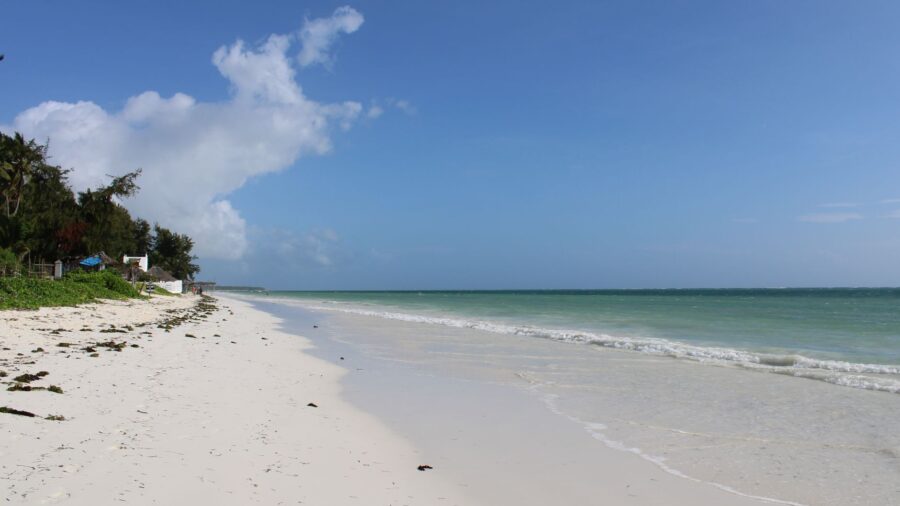
The shoreline runs wide and sandy, which is rarer than you’d think along this part of the Alaska coast. Low tide pulls the water back far enough to expose river bars and broad tide flats, and that’s when the beach really opens up. You can walk for a long stretch and have most of it to yourself. The tidal shifts here are dramatic. A flat you cross at noon could be thigh-deep water by late afternoon. When the tide retreats, it leaves behind sea life that draws birds and other animals down to feed. Shutterstock
Bald eagles perch on every drift log
Photographers drive up from Juneau with zoom lenses specifically for this stretch of coast. Bald eagles soar overhead, bank above the river mouths, and perch on drift logs along the shoreline. Numbers climb during salmon spawning season when the intertidal flats fill with fish pushing upstream.
You can stand near the river mouth and watch them work the shallows from just a few dozen yards away. On a good morning in late summer, you might count 20 or more without moving from one spot. Wikimedia Commons/Commander John Bortniak
Humpbacks surface in the channel just offshore
The waters of Lynn Canal aren’t just scenery. Harbor seals bob in the river mouths. Sea lions work the deeper channel. And when the salmon run peaks, humpback whales surface close enough to the beach that you can hear them exhale before you see the spout. The ranger station can tell you what’s been spotted recently, and that information is worth asking for. Wildlife gathers most when the fish are running, so late summer and early fall give you the best shot at seeing multiple species in a single afternoon. Shutterstock
The salmon run transforms the riverbanks each fall
Every year, salmon push back up the Eagle and Herbert Rivers. The runs peak in late summer and carry into early autumn, and the fish don’t arrive quietly. You’ll smell the spawning before you reach the bank. Eagles line the branches above. Bears work the shallows. Anglers take their positions downstream. It’s one of those scenes that runs on its own schedule, completely indifferent to anything human. The riverbanks turn into a working food chain, and you’re standing at the edge of it watching the whole thing unfold. Shutterstock
Bears fish the same rivers as the eagles
Black bears and brown bears both visit the riverbanks during the salmon runs, drawn by the same food source pulling in everything else. This isn’t a place where wildlife is managed from a distance. The bears are doing what bears do, in the same space you’re moving through. Make noise on the trails, especially in dense brush near the water. Keep your distance when you spot one. Pack out everything you carry in, including food scraps. The wildness here is real, and that’s the whole point of coming. Wikimedia Commons/Gillfoto
An accessible path and a gentle loop through the forest
The main day-use area has a quarter-mile paved path that’s fully accessible, with viewing scopes positioned along the way. From there, shorter trails branch toward the river mouth and the salt marsh. A gentle forest loop winds past beaver ponds and through stands of cottonwood. The terrain stays level through most of the day-use area, and the walking is easy enough for most fitness levels. Families with young kids do fine here.
Just 3,500 bears on America’s second-largest island
This hard-to-reach Alaskan town has a volcano, sea otters, and 10,000 years of history on one waterfront
The post This free Alaska beach lets you watch eagles, whales and bears from the same stretch of sand appeared first on When In Your State.
You don’t need to hike far to get into good wildlife territory, especially during the salmon season. Wikimedia Commons/Gillfoto
The Amalga Trail leads all the way to Eagle Glacier
If you want a full day in the backcountry, the Amalga Trail follows the Eagle River deeper into the valley. The trail winds through old-growth forest, passes beaver dams, and works its way toward Eagle Glacier and the mountains framing it. Plan to give this one a full afternoon. The ground stays wet and the roots run across the path, so bring waterproof boots with real ankle support. The payoff at the far end is a view of the glacier itself, sitting against the peaks with the river cutting through the valley below. Wikimedia Commons/Gillfoto
The estuary draws birds by the dozens
The wide intertidal flats at Eagle Beach rank among the top birding areas near Juneau. Salt marsh and wetlands pull in shorebirds, waders, and waterfowl that the forest trails don’t get you close to. The spruce-hemlock forest holds its own mix of woodland species. Morning walks on calm days reward the patient ones, when the flats are quiet and the light is low. Bring binoculars with enough reach to work the far edges of the flats. The birds tend to concentrate where the river meets the tide line, which is also where the action is all season long. Wikimedia Commons/gillfoto
Sunset stretches late across Lynn Canal
Alaska’s summer days are long, and at Eagle Beach that means the evening light hangs over the water for hours. The beach faces west, and the view across Lynn Canal takes in islands and the distant peaks beyond. The mountains catch the last light while the water goes flat and reflective. Juneau sits 27 miles to the south, and you’d never know it standing here. No boardwalks, no food vendors, no cruise ship crowds. Just the beach, the mountains, the water, and whatever wildlife happens to be moving through when you are. Wikimedia Commons/Joseph
Visit Eagle Beach State Recreation Area in Alaska
To visit Eagle Beach State Recreation Area, head north from Juneau on the Glacier Highway to mile 26 to 27. The drive takes about 30 minutes from downtown. Camping runs $20 per site per night and operates on a first-come, first-served basis. The campground gate closes Oct. 1 and reopens May 1, but the day-use area gate follows the same schedule, with walk-in access available from roadside parking during the off-season. Check the official website for current cabin rates and reservation options for the picnic shelters. This article was created with AI assistance and human editing. Read more from this brand:
Anchorage has a 495,000-acre wilderness in its backyard and you can reach it in 15 minutes
No roads, no crowds. Just 3,500 bears on America’s second-largest island
This hard-to-reach Alaskan town has a volcano, sea otters, and 10,000 years of history on one waterfront
The post This free Alaska beach lets you watch eagles, whales and bears from the same stretch of sand appeared first on When In Your State.
Leave a Reply