USCIS immigration fees will rise October 16 for several applications: As the story develops
MichaelVi/Depositphotos
USCIS fees rise on October 16
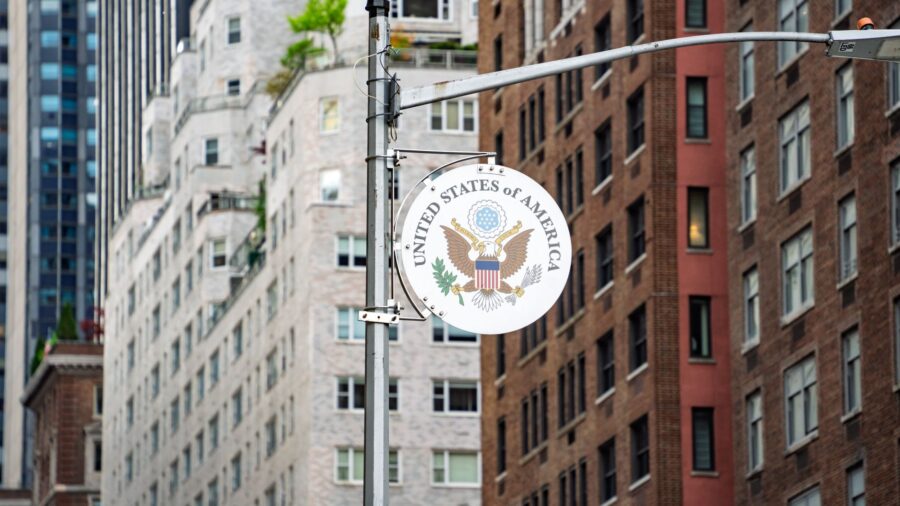
U.S. Citizenship and Immigration Services, or USCIS, will raise several immigration-related fees on October 16, 2026. The changes are annual inflation adjustments required by the One Big Beautiful Bill Act, which President Donald Trump signed into law on July 4, 2025. The updated amounts affect certain asylum, employment authorization, parole, and Temporary Protected Status requests. Applicants should verify the required amount before filing, as USCIS states that requests affected that were postmarked on or after October 16 without the proper fee will be rejected. Depositphotos
USCIS asylum fee reaches $105
The annual charge generally applies once a Form I-589 asylum application has remained pending for 365 days and again on later anniversaries while the case remains pending, in addition to the separate $100 initial filing fee. The increase reflects the inflation formula Congress placed in the 2025 law. USCIS calculated it using the Consumer Price Index for All Urban Consumers, measured nationwide between July 2025 and July 2026. Depositphotos
USCIS work permit costs increase
USCIS will increase certain initial employment authorization fees from $560 to $570. The higher amount applies to initial work permits for qualifying asylum applicants, parolees, and Temporary Protected Status recipients. The adjustment does not raise the EAD fee for everyone. For example, the H.R. 1 renewal or extension fee remains $275 for asylum applicants and $280 for parole and TPS categories. ericbvd/Depositphotos
Parole fee climbs to $1,050
The immigration parole fee will rise from $1,020 to $1,050 for fiscal 2027. Unlike a standard filing fee collected with an application, USCIS generally collects this immigration parole fee when it is prepared to grant parole, parole in place, or re-parole, unless an exception applies. Several statutory exceptions can apply, depending on individual circumstances. The updated amount reflects a $30 inflation adjustment, making it one of the largest dollar increases among the fees changing this October. Fun fact: In 2024, USCIS introduced an online-only Form I-131F process for a specific parole-in-place program. Depositphotos
TPS filing fee moves to $520
The fee tied to Form I-821, used to apply for Temporary Protected Status, will increase from $510 to $520. The change is another inflation adjustment required for fiscal 2027. TPS can temporarily protect eligible nationals of designated countries from removal and allows eligible beneficiaries to request employment authorization. It does not provide permanent immigration status. Fun fact: Congress created Temporary Protected Status in 1990 as part of the Immigration Act of 1990.
swisshippo/Depositphotos
Inflation drives the new amounts
The increases come from a 3.36% rise in the Consumer Price Index for All Urban Consumers between July 2025 and July 2026. Federal law requires certain immigration fees to be adjusted using that measure. The math does not always produce a matching percentage increase. Congress set rounding rules, so some fees move by $10, some by $30, and others remain unchanged after the required calculation. Walter_Cicchetti/Depositphotos
Postmark date decides the fee
Timing matters for mailed applications. USCIS says the fiscal 2027 fees apply to affected immigration benefit requests postmarked on or after October 16, 2026. Affected requests postmarked before October 16 generally remain subject to the earlier FY2026 amount. USCIS says filings sent on or after the effective date without proper payment will be rejected, making the postmark important for applicants preparing paperwork around the changeover. Depositphotos
Some fees do not change
Not every immigration charge rises under the fiscal 2027 adjustment. The initial asylum filing fee remains $100, while certain renewal or extension employment authorization fees stay at current levels. The reasons vary. H.R. 1 does not provide an inflation adjustment for asylum applicant EAD renewals, while several other fees remain unchanged because the inflation calculation reverts to the same amount after statutory rounding. Depositphotos
A small increase can add up
For someone facing more than one affected charge, the increases can combine. If an asylum applicant happened to owe both the $105 annual asylum fee and the $570 initial EAD fee during the same period, those two H.R. 1 charges would total $675, compared with $662 under the FY2026 amounts. That is $13 more than the previous combined total of $662. The example illustrates why adjustments matter when a person must pay multiple required fees in the same period. MichaelVi/Depositphotos
Fee rules come from a 2025 law
The new amounts trace back to legislation signed on July 4, 2025. The law created or raised several immigration-related fees and required many to be adjusted for inflation each fiscal year. USCIS began implementing the H.R. 1 fee structure in 2025 and published its first annual inflation adjustment for FY2026 later that year. The October 2026 notice establishes the next set of amounts for FY2027.
immigration update raises barriers for some green card applicants
Trump immigration push accelerates as deportation orders rise across New York City
Trump’s immigration policy shift raises population and workforce concerns for states
The post USCIS immigration fees will rise October 16 for several applications appeared first on When In Your State.
Depositphotos
USCIS uses a precise formula
USCIS based the latest adjustment on federal inflation data showing the CPI-U rising from 323.048 in July 2025 to 333.918 in July 2026. That equals an increase of about 3.36%. The law requires different rounding methods depending on the fee. Most affected amounts are rounded down to the next lowest $10 increment, while the annual asylum fee is rounded down to the nearest whole dollar. Depositphotos
Correct payment helps avoid rejection
An incorrect filing fee can cause an otherwise prepared application to be rejected before it can move forward. USCIS advises applicants to review the latest fee information before sending a request. That is especially important around October 16, as older guidance may reflect fiscal 2026 amounts. Checking the Form G-1055 fee schedule or USCIS fee calculator can help applicants match payment to the correct form and category. For another immigration update tied to application costs, citizenship rules, and federal policy, see why U.S. citizenship fees could rise 80% under Trump’s new plan. Depositphotos
Check the category before paying
The October 16 changes show why a form number alone may not tell applicants exactly what they owe. Fees may depend on the requested benefit, eligibility category, whether the request is initial or a renewal, and whether another statutory charge applies. USCIS advises applicants to use its current Form G-1055 fee schedule or online fee calculator before submitting payment. That is especially important during the October transition from FY2026 to FY2027 amounts. For another immigration update tied to family travel, documentation rules, and federal checks, see why proposed changes could affect children’s U.S. passport requirements. Could higher USCIS fees change when applicants decide to file? Share your thoughts and drop a comment. This slideshow was made with AI assistance and human editing. Read More From This Brand:
U.S. immigration update raises barriers for some green card applicants
Trump immigration push accelerates as deportation orders rise across New York City
Trump’s immigration policy shift raises population and workforce concerns for states
The post USCIS immigration fees will rise October 16 for several applications appeared first on When In Your State.
Leave a Reply