Virginia governor unveils housing proposals to expand affordable homes near public transit: Here’s the latest
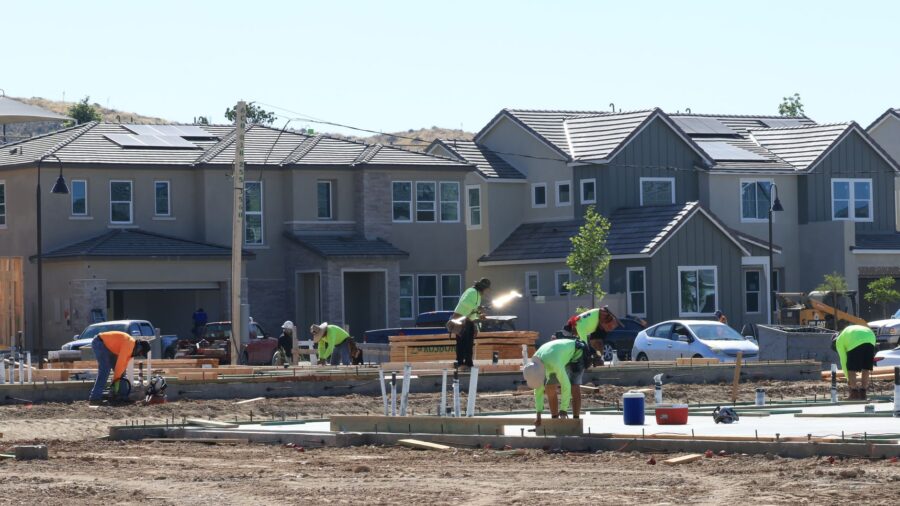
Finding an affordable home near work has become increasingly difficult for many Virginia residents. Governor Abigail Spanberger has unveiled a package of housing proposals designed to expand residential construction, protect existing affordable properties, and encourage development near public transportation. The governor announced the measures on November 18, 2026, alongside Democratic lawmakers in Woodbridge, Virginia. The proposals form part of the administration’s Moving Virginia Forward agenda and are scheduled for consideration during the 2027 General Assembly session. Virginia governor announces new housing proposals
Spanberger presented the legislative package at Joyfield Flats at Woodbridge Apartments, a residential community approximately 15 minutes on foot from the Woodbridge Virginia Railway Express station. The location demonstrated how housing developments can connect residents with existing transportation services. The proposals address several aspects of housing affordability, including construction costs, development restrictions, property ownership, and assistance for renters. State officials want to increase the number of available homes while preventing existing affordable properties from becoming more expensive for current residents. The announcement establishes legislative priorities rather than immediately changing Virginia’s housing laws. Individual measures will require consideration by the General Assembly, and their final provisions may change as lawmakers review financing requirements, administrative responsibilities, and local government concerns. More housing could be built near transit stations
One central proposal would establish transit-oriented development zones that receive priority consideration for certain state funding and incentives. These areas would encourage housing construction near existing bus routes, rail stations, and other public transportation services. Building homes near transportation corridors could allow some households to reduce commuting expenses and dependence on personal vehicles. Residents living within walking distance of reliable transit may find it easier to reach employment centers without needing to maintain multiple cars. Senator Saddam Azlan Salim of Fairfax supported the initiative, explaining that public transportation helped his family manage expenses after immigrating to the United States. He described access to nearby bus service as essential to his parents’ ability to work. Surplus state-owned land could support new homes
Virginia officials also want to identify surplus state-owned properties suitable for residential construction. Instead of automatically disposing of unused government land through conventional sales, the proposed approach would consider opportunities for affordable housing and transit-connected development. The policy could provide developers with additional sites in areas where acquiring property is expensive or difficult. However, construction would still depend on zoning requirements, infrastructure availability, financing arrangements, and the suitability of individual government-owned parcels. Spanberger emphasized that housing needs differ between Northern Virginia, Hampton Roads, and rural communities. The state would therefore need to evaluate each location separately rather than assume that every available government property can accommodate the same development.
Source: Depositphotos
New fund would protect existing affordable housing
Another proposal would establish an Affordable Housing Preservation Fund to assist local governments and nonprofit organizations. The initiative would provide financing to acquire residential properties as existing affordability restrictions approach expiration, potentially preventing sudden rent increases. Some apartment developments operate under agreements requiring units to remain affordable for a specified period. Once those restrictions expire, owners may gain greater flexibility to increase rents or convert properties to unrestricted market-rate housing. The proposed fund would enable qualifying organizations to purchase vulnerable properties while maintaining affordability commitments. However, the program’s financial capacity, eligibility conditions, and purchasing arrangements would depend on the legislation ultimately approved by lawmakers. Manufactured housing rules could become less restrictive
Spanberger also wants to revise Virginia’s requirements for manufactured homes, which are constructed in factories and transported to installation sites. The proposed legislation would eliminate the requirement for these structures to retain a permanent steel chassis. A chassis provides structural support during transportation, but requiring it permanently can limit certain design and installation options. State officials argue that removing the requirement would allow manufacturers to develop housing that more closely resembles conventional residential construction. Delegate Stacey Carroll of Stafford County supported the change, describing manufactured housing as a potentially less expensive ownership option. However, eliminating the chassis requirement would not automatically remove local zoning restrictions or guarantee lower prices for every manufactured home.Virginia Governor Abigail Spanberger proposed expanding affordable housing near public transit and using surplus state land for new homes. Virginia seeks improvements to zoning and property ownership
The administration plans to examine local zoning regulations to identify policies that support additional housing construction. The Department of Housing and Community Development would collect information about effective approaches and share findings with communities considering changes. Zoning rules determine where homes can be built, how densely properties may be developed, and which building types are permitted. Restrictions involving lot sizes, building heights, and residential classifications can influence construction costs and the number of homes available. A separate proposal would establish an heirs’ property assistance program for families facing complicated inheritance arrangements. The initiative would connect residents with legal assistance to resolve ownership disputes and protect homes passed between generations without clear estate documentation. Source: Depositphotos
Renters and homeowners could receive easier access to assistance
The legislative package includes plans to simplify access to state-supported home repair programs. Officials want to establish a single point of contact where residents can find available assistance, rather than navigate multiple agencies and application processes. Eligible homeowners may need repairs involving structural conditions, accessibility improvements, or other issues affecting their properties. A more coordinated application system could make existing programs easier to understand, although available funding would continue determining which projects receive assistance.
If you liked this, you might also like:
Virginia lawmakers remain split over tax breaks for data centers
Amazon commits millions to Virginia college training programs
Virginia’s $67 billion utility deal faces a major roadblock
The post Virginia governor unveils housing proposals to expand affordable homes near public transit appeared first on When In Your State.
Renters would also receive clearer pathways to emergency resources beyond eviction prevention, including utility assistance, food support, and job training. These proposals focus on helping households maintain housing stability when financial difficulties threaten their ability to remain in their homes.Little-known fact: Virginia Beach promoted a housing quiz asking residents how the city defines affordable housing. Existing housing investments provide a foundation
The new proposals follow earlier housing investments approved during Virginia’s 2026 legislative session. The state budget includes $175 million over two years for the Virginia Housing Trust Fund, supporting affordable housing development and preservation, as well as homelessness reduction efforts. Virginia also established a two-year, $20 million pilot program to encourage additional residential construction. These investments provide financing mechanisms separate from the legislative proposals introduced in November, which would require their own implementation decisions. On November 20, Spanberger announced a broader Housing Opportunity Framework outlining priorities for the following three years. The framework addresses housing supply, homeownership opportunities, rehabilitation, manufactured housing, regulatory barriers, and assistance for residents facing housing instability. What happens next for Virginia’s housing proposals? The Virginia General Assembly is scheduled to begin its 2027 regular session on January 13. Lawmakers will consider the proposed legislation, examine potential financial impacts, and determine whether changes to existing state housing policies should be advanced. Housing organizations, developers, and local officials have expressed support for several elements of the package. However, implementation will require coordination among state agencies, municipalities, nonprofit organizations, and private builders, particularly where proposals involve land use or financial incentives. For Virginia residents, the announcement represents a proposed expansion of housing opportunities rather than immediate access to newly constructed homes. Its practical impact will depend on legislative approval, available funding, local participation, and the number of affordable properties eventually built or preserved. TL;DR
Virginia Governor Abigail Spanberger announced housing proposals on November 18, 2026, to expand affordable homes and encourage residential development near public transportation. The proposals include transit-oriented housing zones, development on surplus state-owned land, and a new fund to preserve existing affordable rental properties. Additional measures would revise manufactured housing rules, address zoning restrictions, protect inherited properties, and simplify access to housing assistance programs. Virginia lawmakers will consider the proposals during the 2027 General Assembly session beginning January 13, with implementation depending on legislative approval and funding. This article was made with AI assistance and human editing. If you liked this, you might also like:
Virginia lawmakers remain split over tax breaks for data centers
Amazon commits millions to Virginia college training programs
Virginia’s $67 billion utility deal faces a major roadblock
The post Virginia governor unveils housing proposals to expand affordable homes near public transit appeared first on When In Your State.
Leave a Reply