Washington communities push back against massive battery storage projects despite growing electricity demands: According to reports
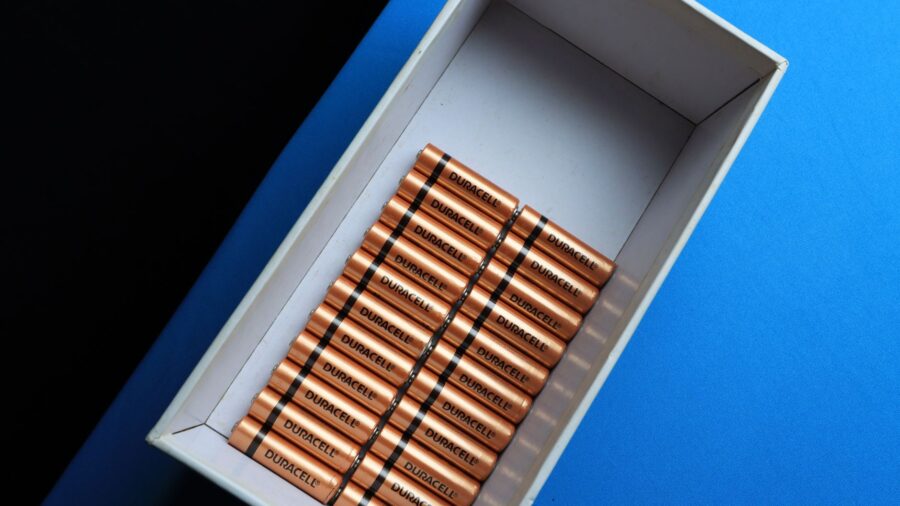
Could a technology designed to prevent power shortages create new safety concerns for nearby neighborhoods? Communities across Washington are challenging proposals for large battery storage facilities, even as utilities seek additional electricity capacity to meet growing demand. The dispute has become especially visible in Snoqualmie, where residents oppose a proposed project near homes and recreational areas. Developers say large batteries are essential for modernizing the power grid, while opponents want stronger protections against fires and other potential hazards. Washington communities challenge battery storage developments
Several Washington communities have adopted temporary restrictions on large battery energy storage systems, commonly called BESS. These facilities contain extensive banks of rechargeable batteries that store electricity and release it when demand increases or generation becomes less available. Snoqualmie, North Bend, Carnation, Duvall, and other communities have approved or considered moratoriums affecting commercial battery projects. Local officials say the restrictions provide time to examine potential risks and develop appropriate safety and land-use regulations. The measures do not necessarily represent permanent bans on battery storage technology. Many communities are instead seeking additional information about emergency response, construction requirements, environmental protection, and whether proposed facilities are appropriate for their intended locations. Snoqualmie residents oppose a proposed battery project
A major dispute involves Jupiter Power’s proposed Cascadia Ridge Resiliency Energy Storage project near Snoqualmie Ridge in King County. The planned facility would have approximately 130 megawatts of capacity and would be located outside Snoqualmie’s city limits. Residents have raised concerns about the project’s proximity to housing, a playground, a waterway, and an evacuation route. They argue that an industrial battery installation could pose risks that warrant closer examination before construction is approved. Snoqualmie Councilmember Dan Murphy has emphasized the importance of studying worst-case emergencies rather than relying exclusively on typical operating conditions. Local opposition has also reflected concerns about whether residents received sufficient information early in the development process. Source: VeugerStock/Depositphotos
Why battery fires concern Washington residents
Large lithium-ion battery systems can experience a dangerous process known as thermal runaway when individual cells overheat. The resulting chemical reaction can spread between battery components, creating intense heat, difficult firefighting conditions, and potentially hazardous smoke. A January 2025 fire at California’s Moss Landing battery storage facility intensified concerns about industrial-scale installations. The incident burned for several days, and researchers detected battery-related metal deposits in nearby wetlands, raising questions about environmental contamination and emergency preparedness. Washington residents have pointed to incidents like Moss Landing when questioning proposed facilities near populated areas. Their concerns extend beyond flames to potential exposure to smoke, contaminated firefighting runoff, evacuation difficulties, and the resources available to local emergency responders. New battery technology has improved fire safety
Energy storage developers argue that modern battery facilities differ considerably from earlier installations. Newer systems commonly use separated battery containers, monitoring equipment, and safety designs intended to prevent a malfunction from spreading throughout an entire facility. Research published by the Electric Power Research Institute in October 2026 found that the annual failure rate of battery energy storage systems in the United States declined by 97% from 2018 to 2025, measured per gigawatt-hour of deployed storage capacity.
The research indicates that improvements in engineering, operating practices, and safety standards have reduced the likelihood of serious incidents and helped limit their consequences. However, a lower failure rate does not eliminate the possibility of accidents, leaving communities to determine what level of risk is acceptable. Jupiter Power seeks approval through state regulators
Jupiter Power previously pursued local permitting for the Cascadia Ridge project through King County. In August 2026, the company withdrew its county application and announced plans to seek approval from Washington’s Energy Facility Site Evaluation Council, shifting its intended permitting path to the state level. Snoqualmie Mayor Jim Mayhew expressed disappointment with that decision, warning that state review could reduce local control over decisions affecting residents. The city has indicated its intent to participate in the process and communicate community concerns. The change does not mean the battery project has received construction approval. Jupiter Power’s published project documents indicate that its state application has not yet been filed. Once an application is submitted, state regulators will evaluate the proposal, and residents and local officials will have opportunities to submit comments and raise concerns during the review process. Developers say batteries need access to substations
Jupiter Power argues that utility-scale battery installations must connect to existing electrical infrastructure, making proximity to substations a major consideration. Those substations are frequently located near neighborhoods, public facilities, and other developed areas. The company identified 157 substations in King County that it considered suitable for battery projects. According to its assessment, all 157 were within a quarter mile of a school, daycare, hospital, natural area, or another sensitive location. Developers contend that requiring facilities to remain far from every populated area could make suitable sites difficult to find. Community opponents maintain that proximity to existing infrastructure should not override safety considerations or prevent examination of alternative locations. Stateline reports growing local opposition to large-scale battery storage projects despite rising energy demands. Washington utilities need additional electricity storage
Battery storage has become increasingly relevant as utilities seek to accommodate growing electricity demand and additional renewable generation. These systems can store electricity produced during periods of lower consumption and deliver it when customers need more power. Puget Sound Energy has established a goal of adding 1,500 megawatts of energy storage by 2030. A 200-megawatt battery project in Sumner, developed by BrightNight and Cordelio Power, has been under construction as part of the region’s expanding storage infrastructure. Supporters argue that batteries can reduce pressure on existing transmission networks by storing electricity near population centers. They can also provide power during peak-demand periods without requiring additional generation whenever consumption rises. Battery storage is expanding rapidly across the United States
The debate in Washington reflects the growth of utility-scale battery storage throughout the country. U.S. installed battery capacity exceeded 50 GW in 2026, compared with approximately 5 GW at the beginning of 2022.
If you liked this, you might also like:
Washington clean energy deadlines face scrutiny as electricity bills rise
Washington voters face high-earner income tax decision
Colorado unveils breakthrough that could reshape EV battery recycling
The post Washington communities push back against massive battery storage projects despite growing electricity demands appeared first on When In Your State.
In its November 2026 outlook, the U.S. Energy Information Administration projected that utility-scale battery storage capacity would reach 66 GW by the end of 2026 and 91.7 GW by the end of 2027. Battery facilities generally provide electricity for limited periods, often between 1 and 4 hours, rather than operating continuously like conventional generating stations. Texas and California account for much of the existing battery storage capacity, supported by substantial renewable generation and demanding electricity markets. Their experience has attracted attention from other states, which are considering how storage can support reliability and reduce dependence on expensive peak-hour generation. Source: VeugerStock/Depositphotos
Local opposition creates challenges for future projects
Community resistance is not confined to Washington; proposed battery installations face objections across multiple states. As of October 2026, development services firm Carina Energy had tracked 175 local battery storage restrictions across 16 states, including moratoriums, bans, and zoning-related measures. Some restrictions allow local governments to study safety standards before deciding whether to permit new facilities. Others create uncertainty for developers seeking suitable sites and financing, particularly when projects require long regulatory reviews or substantial design changes. Industry representatives have encouraged developers to engage residents earlier and provide clearer information about safety equipment and emergency planning. Community officials, meanwhile, continue seeking stronger assurances that potential risks will be assessed before projects advance. What happens next for Washington’s battery storage plans? The immediate focus in Snoqualmie is Jupiter Power’s plan to pursue state approval for its proposed facility and the community’s opportunity to participate if a formal application is submitted. Questions about emergency access, environmental impacts, and appropriate operating requirements remain central to the debate. Washington utilities must also decide how to meet future demand while complying with clean energy requirements. Battery storage is one option, but its expansion depends on securing suitable sites, obtaining regulatory approval, and building sufficient public confidence. The continuing disputes illustrate the challenge of developing electricity infrastructure near established communities. For Washington residents and utilities, future decisions will depend on balancing the benefits of additional storage capacity with enforceable safety standards and local concerns. TL;DR
Washington communities are opposing large battery storage projects, including Jupiter Power’s proposed 130-MW facility near Snoqualmie, citing safety and environmental concerns. Residents fear lithium-ion battery fires, hazardous smoke, and evacuation challenges, prompting several communities to consider or adopt temporary development restrictions. Developers emphasize improved battery safety and the growing need for electricity, while Puget Sound Energy targets 1,500 MW of storage capacity by 2030. Jupiter Power plans to seek state-level approval for its proposed Snoqualmie-area project. If a formal application is filed, regulators will review the proposal, and residents will have opportunities to raise concerns about emergency preparedness, environmental impacts, and safety requirements. This article was made with AI assistance and human editing. If you liked this, you might also like:
Washington clean energy deadlines face scrutiny as electricity bills rise
Washington voters face high-earner income tax decision
Colorado unveils breakthrough that could reshape EV battery recycling
The post Washington communities push back against massive battery storage projects despite growing electricity demands appeared first on When In Your State.
Leave a Reply