Washington hikers flock to this lake more than any other in the Alpine Lakes Wilderness: And what happens next
Wikimedia Commons/Natecation
Seattle’s favorite high-country escape
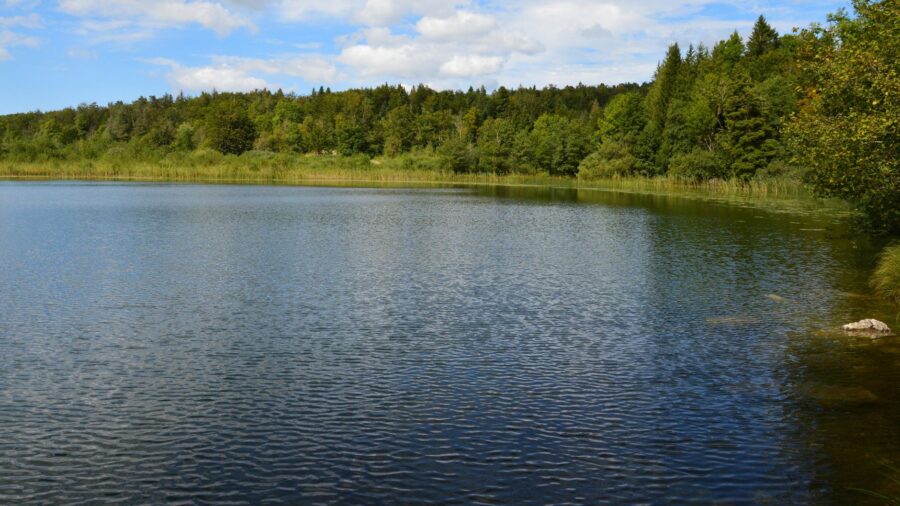
Snow Lake pulls more hikers than any other lake in the Alpine Lakes Wilderness, and it sits just an hour east of Seattle near Snoqualmie Pass. Clear blue water stretches about a mile long beneath a wall of rugged Cascade peaks. Snowmelt feeds the basin well into summer, and the granite around it looks like it belongs in a place twice as remote. But the real draw isn’t just the lake. It’s what opens up beyond it. Wikimedia Commons/Danust
Glaciers built this basin thousands of years ago
The lake sits inside the Alpine Lakes Wilderness, a stretch of protected land in the central Cascades that Congress set aside in 1976 to keep wild. Glaciers carved the granite spires and deep basins here over thousands of years, and the wider wilderness holds more than 700 mountain lakes and ponds scattered through it. Snow Lake gets its name from the ribbons of snow that hang on the peaks above it well into July. Wikimedia Commons/NPS Photo
Log stairs and stone steps up from Alpental
The trail starts at the Alpental Ski Area parking lot near Snoqualmie Pass. You climb about 1,800 feet over roughly 7 miles round trip, and the first stretch rises through forest on log-step stairs before the grade eases off. Wooden stairs and stone steps line the steeper sections, proof of how much trail work goes into keeping this path solid. The route rates as moderate, a real day hike but one most people in decent shape can handle. Shutterstock
Waterfalls and cold creeks break up the climb
The path follows the South Fork Snoqualmie River valley on the way up, and you pass several waterfalls tumbling down the mountainside as you go. Small creek crossings keep things interesting between the steeper pitches. The streams run hardest in early summer when the snowpack is still melting off, and the sound of rushing water stays with you for the first couple of miles. It makes the climb feel shorter than it is. Shutterstock
Pika squeak from the talus fields
About a mile in, you cross a wide talus field of broken rock. The path through the boulders is a real walked trail, not a scramble, and rock cairns keep you on course through the open sections. These slopes are prime habitat for pika, small round-eared relatives of rabbits that live in the rock piles.
Listen for their high-pitched squeaks bouncing off the stone. You’ll hear them before you spot one. Shutterstock
The whole lake appears at once from the saddle
The trail tops out at a saddle around 4,400 feet, and that’s where Snow Lake hits you all at once. The water spreads out below in full view, ringed by rock on every side. A short side path leads to an even better vantage point over the basin. From the saddle, the trail drops 300 to 400 feet toward the lakeshore, and that sudden reveal after the climb is the moment that brings people back year after year. Wikimedia Commons/Wilderness trespasser
Chair Peak rises 2,200 feet straight from the water
Chair Peak stands sharply at the far end of the lake, its summit climbing roughly 2,200 feet above the surface in just half a mile of vertical rock. Sheer cliffs and polished granite crown the far shore, and waterfalls thread down the mountain’s face into the water below. The peak’s shape gives Snow Lake its signature backdrop, the one you see in every photo. No other angle on this hike comes close. Wikimedia Commons/Peter Stevens
A jagged wall of granite rings the basin
Chair Peak isn’t alone up there. Kaleetan Peak’s sharp point rises beyond it, Roosevelt Peak stands at the head of the lake, and Bryant Peak adds another edge to the skyline. Together the summits form a wall of granite around the basin that blocks out everything else. The mix of blue water against gray rock is what fills so many camera rolls here, and on a clear day the contrast is hard to look away from. Wikimedia Commons/Steve Redman
Cold water, flat rocks and trout below the surface
On warm summer days, swimmers wade into the cold, clear water, and you’ll see paddleboarders and kayakers who carried their gear up the trail to float the surface. Flat rocks along parts of the shore give you a place to sit, dry off and take it all in. The water stays chilly year-round, fed by snowmelt and mountain runoff. Anglers work the lake too, because it holds trout, and a quiet morning cast from the shore is hard to beat. Shutterstock
Gem Lake is quieter and two miles farther
A trail continues past Snow Lake toward Gem Lake, about two more miles on.
Read more from this brand:
Mount Si is Washington’s busiest climb and the Rainier view at the top explains why
Lake Chelan’s wild neighbor packs 63 lakes into one jagged Washington range
Mount Rainier’s hidden threat puts Seattle and Tacoma on alert
The post Washington hikers flock to this lake more than any other in the Alpine Lakes Wilderness appeared first on When In Your State.
The route climbs past more waterfalls, wildflowers and rocky pika slopes before reaching a smaller, much quieter lake. On a calm day, Kaleetan Peak reflects in Gem Lake’s still water like a mirror. This stretch rewards you with more distance and fewer people, and if Snow Lake felt crowded, Gem Lake is the fix. Wikimedia Commons/Chris Light
The Wildcat Lakes trade crowds for real backcountry
Beyond Gem Lake the trail grows rougher and drops toward the Wildcat Lakes. Lower Wildcat Lake sits in forest, a solid target if you want solitude. Upper Wildcat Lake rests in a large bowl beneath cliffs and talus, and both lakes see only a fraction of Snow Lake’s foot traffic. The extra miles aren’t easy, but you trade the crowds for the kind of quiet that makes the Cascades feel like yours alone. Wikimedia Commons/Buidhe
A half-day hike with full alpine payoff
Easy highway access plus big alpine scenery make Snow Lake a magnet, and sunny summer weekends pack the parking lot to the edges. Wildflowers color the slopes during the warm months, and the lake works as both a short day trip and a gateway to longer routes deeper into the wilderness. Few places in Washington put this much Cascade rock, water and sky into a single morning of hiking. Wikimedia Commons/Mount Rainier NPS
Hit the trail at Snow Lake, Washington
You can reach the Snow Lake trailhead at the Alpental Ski Area off I-90, about an hour east of Seattle near Snoqualmie Pass. The full hike runs roughly 7 miles round trip with about 1,800 feet of elevation gain. Parking requires a $5 National Forest day-use fee or a valid Northwest Forest Pass or America the Beautiful pass. From May 15 through Oct. 31, you also need a free self-issued Alpine Lakes Wilderness permit. July through October gives you the best conditions, and dogs are welcome on leash. Get there early on summer weekends. This article was created with AI assistance and human editing. Read more from this brand:
Mount Si is Washington’s busiest climb and the Rainier view at the top explains why
Lake Chelan’s wild neighbor packs 63 lakes into one jagged Washington range
Mount Rainier’s hidden threat puts Seattle and Tacoma on alert
The post Washington hikers flock to this lake more than any other in the Alpine Lakes Wilderness appeared first on When In Your State.
Leave a Reply