You can walk the actual tunnels where America found its first gold, near Charlotte: Officials say
Shutterstock
A Farm Kid Changed American History
You can walk into the actual mine where America found its first gold, not a replica built for tourists. Reed Gold Mine sits in Midland, North Carolina, about 40 minutes east of Charlotte, and it holds a National Historic Landmark designation along with a spot on the National Register of Historic Places. The grounds mix underground tunnels, gold panning, a museum, and wooded trails, and you can walk the whole site for free. Give yourself two hours or more. What happened here in 1799 still shapes the ground you’ll stand on. Shutterstock
A Doorstop Worth More Than Gold
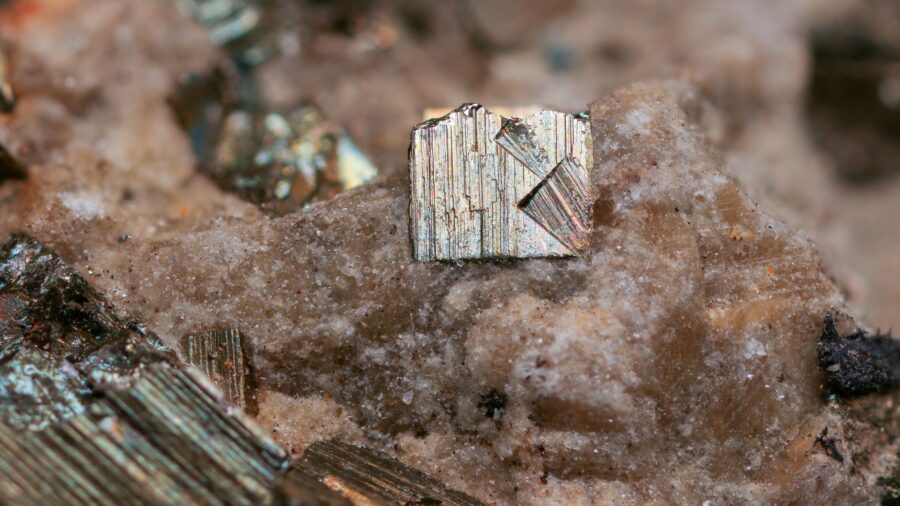
In 1799, a boy named Conrad Reed pulled a heavy yellow rock out of Little Meadow Creek on his family’s farm. Nobody in the house knew what they had. The rock held down the door of the Reed home for three years before a jeweler finally looked at it and realized it was gold. That discovery on John Reed’s farm became the first documented gold find in the United States, and it kicked off the country’s first gold rush, decades ahead of the famous 1848 rush in California. Enslaved workers were forced to labor in the mine that followed, and one man named Peter later found a 28-pound nugget. So much gold came out of this region that the federal government opened a branch mint in Charlotte. Wikimedia Commons/Gus Jewell
Descend Into Tunnels Miners Dug By Hand
You only get into the underground mine through a guided tour led by site staff, and it’s worth planning your visit around. The tunnels you’ll walk through were first dug in the 1830s and have since been restored for visitors. Wooden supports hold up rocky walls above a gravel floor, and the whole space still feels like a working mine rather than a museum exhibit. Guides walk you through how miners once chased veins of gold-bearing rock by lantern light alone, with no electricity to guide them. The tour runs about 30 to 40 minutes, and it tends to be a highlight for kids and grandparents alike. Shutterstock
Try Your Hand At Panning For Gold
Large wooden troughs on the grounds let you try gold panning for yourself. Staff hand you a pan loaded with dirt, then show you how to add water and swirl until the lighter material washes away. What’s left behind are real flecks of gold and other minerals, settled at the bottom of your pan. You don’t need any experience. Instructors walk first-timers through the whole process step by step. In the coldest months, panning moves indoors to smaller troughs, so you can try it any time of year you visit, whether it’s July or January. Shutterstock
Hear The Stamp Mill Pound Rock To Dust
A reconstructed stamp mill on the property shows you exactly how miners once freed gold from solid rock. The machinery represents equipment from the 1890s, and it still runs for scheduled demonstrations from March through November.
Standing near it while the stamps pound down, you understand why mining was loud, slow, and brutal work, nothing like the quiet panning troughs nearby. Few historic sites let you watch machinery like this actually operate instead of sitting behind glass. Here, you get to see and hear the process the way workers once lived it. Shutterstock
Start At The Visitor Center For Context
Before you head outside, the visitor center gives you the full picture. Exhibits cover gold itself, the tools miners used, and the geology behind how gold forms underground in the first place. Displays trace the technology across the site’s long history, from hand tools to industrial machinery. A short orientation film, about nine minutes, lays out North Carolina’s gold story from the beginning. A small library on site keeps materials on gold mining and Reed family history for anyone who wants to dig deeper. It’s the best place to start before you explore the mine and trails outside. Shutterstock
Walk Three Miles Through Old Mining Ground
Roughly three miles of trails wind across the property where miners once worked the land. The paths cross both lode and placer mining areas, meaning ground where gold was pulled from solid rock and creek beds. You can grab a trail map inside the visitor center before you set out. The setting rolls gently through Piedmont woods, quiet enough that you forget you’re only 40 minutes from Charlotte. Old mining features and markers along the way help you picture crews working this same ground more than a century ago. Shutterstock
Climb To The Ruins On Upper Hill
The Upper Hill trail leads you to what’s left of an 1854 mill house. A tall stone chimney still stands there, along with restored foundations that mark where the building once stood. From the crest, you look out over land where much of the early digging happened, giving you a wider view than you get anywhere else on the property. It’s a good spot to stop, catch your breath, and take in the grounds. The ruins put you directly on the site’s most active mining years. Shutterstock
Cross The Creek Where It All Began
A long boardwalk on the Lower Hill trail carries you above Little Meadow Creek, the same water where Conrad Reed first spotted that yellow rock. The raised walkway gives you easy views down to the water and the woods around it. This stretch runs level and gentle, good for slowing your pace and taking a few photos. Standing on that boardwalk, you’re looking at the exact spot where America’s gold story started, not a marker or a plaque describing it secondhand. Shutterstock
Learn Why Gold Sat Beneath This Farmland
Exhibits on site explain how gold ended up in the rock and creeks of this stretch of North Carolina in the first place.
Read more from this brand:
Old Salem in Winston-Salem still smells like 1766, and that’s the whole point
North Carolina has a town where wild horses roam free and Blackbeard’s wreck sits in 28 feet of water
North Carolina’s Crystal Coast has wild horses, pirates, and almost no tourists
The post You can walk the actual tunnels where America found its first gold, near Charlotte appeared first on When In Your State.
You’ll learn the difference between lode gold, locked inside solid rock, and placer gold, washed loose into streams like Little Meadow Creek. The geology explains why quiet farmland like this held enough riches to launch a national gold rush. It turns your walk through the mine into an actual earth science lesson. Kids especially like connecting what they see in the display cases to the real tunnels waiting outside. Wikimedia Commons/Gus Jewell
Built For A Full Family Day
The site packs a surprising amount into one visit. You can tour underground, pan for gold, hike a few miles, and eat lunch all before the afternoon is over. A shaded picnic area sits right beside the main parking lot, so you don’t have to plan around it. The mix of indoor exhibits and outdoor trails means weather rarely ruins your plans entirely. Grandparents bringing grandchildren find it works especially well, since there’s always another activity close by if one group gets restless. Shutterstock
Stand Where a National Story Started
Few places let you stand in the exact spot where a piece of American history actually happened. Reed Gold Mine holds the birthplace of American gold mining inside one compact, walkable site. The combination of real tunnels, hands-on panning, and quiet trails is hard to match anywhere else in the country. If you like history you can touch rather than read behind glass, this delivers it directly. A stop here fits easily into a longer day trip through the wider Charlotte region. Shutterstock
Plan Your Visit to Reed Gold Mine in North Carolina
You’ll find Reed Gold Mine at 9621 Reed Mine Rd. in Midland, about 40 minutes east of Charlotte. The site is open Tuesday through Saturday, 9 a.m. to 5 p.m., and closed Sunday, Monday, and state holidays, so check before you go. Walking the grounds costs nothing. Guided mine tours run at set times, roughly $5 for adults and less for seniors, military, and children, with tickets sold on site only. Gold panning costs a few dollars per pan and depends on weather. A picnic area and gift shop round out the visit. This article was created with AI assistance and human editing. Read more from this brand:
Old Salem in Winston-Salem still smells like 1766, and that’s the whole point
North Carolina has a town where wild horses roam free and Blackbeard’s wreck sits in 28 feet of water
North Carolina’s Crystal Coast has wild horses, pirates, and almost no tourists
The post You can walk the actual tunnels where America found its first gold, near Charlotte appeared first on When In Your State.
Leave a Reply