Bethlehem, Pennsylvania Earns UNESCO World Heritage Status Alongside Grand Canyon and Great Wall: Here’s the latest
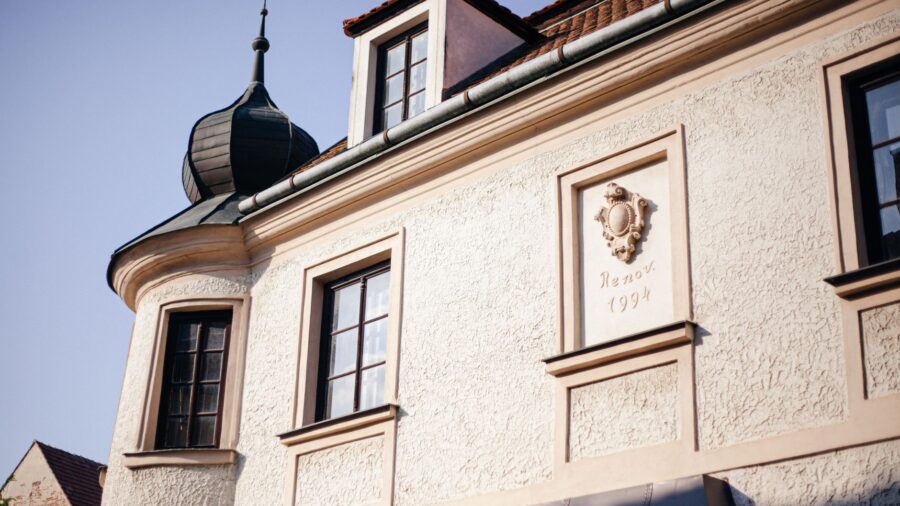
A small Pennsylvania city in the Lehigh Valley now shares one of the world’s most prestigious designations with landmarks like the Grand Canyon and the Great Wall of China. In July 2024, Bethlehem’s historic Moravian district was designated the 26th UNESCO World Heritage Site in the United States and just the third in Pennsylvania. The recognized area spans roughly 14 acres of downtown and contains 18th-century log and stone buildings whose history runs far deeper than a casual stroll might suggest. The district holds more original structures than Colonial Williamsburg, according to Historic Bethlehem Museums and Sites, with more than 20 historic properties surviving within its boundaries.
The story begins in 1741, when German members of the Moravian Church chose a site at the confluence of Monocacy Creek and the Lehigh River, felled white oak trees, and began constructing their settlement from the ground up. Bethlehem quickly became the central hub of the Moravian Church’s North American missionary operations, and by the mid-1700s residents spoke 15 different languages on its streets. The community held unusually progressive values for its era, including equal education for men and women and a shared system of care for all members. The oldest surviving structure, the 1741 Gemeinhaus, is thought to be the largest 18th-century log building in continuous use in the country, having served simultaneously as a home, church, school, and workshop for as many as 80 residents at one time. That building now houses the Moravian Museum of Bethlehem, where visitors can examine trombones and violins crafted by the original settlers, ribbons worn by community women to indicate their stage of life, and the Saal, the settlement’s earliest place of Moravian worship. Surrounding the Gemeinhaus stand several choir houses — large residences where residents were grouped by age, sex, and marital status — including the 1744 Single Sisters’ House, the 1746 Bell House, and the 1768 Widows’ House, regarded as some of the finest examples of colonial Germanic architecture in America. Along Monocacy Creek, the Colonial Industrial Quarter is considered the earliest industrial center in what would become the United States. Within two years of settling, the Moravians had established mills, workshops, and a tannery, and by 1747 the community supported 35 distinct trades. The 1761 Tannery, described as the only surviving 18th-century Moravian industrial building anywhere in the world, still stands there alongside a reconstructed Smithy, a Springhouse, and stone ruins marking former pottery and dye house sites. Equally remarkable is the 1762 Waterworks, recognized as the first pumped municipal water system in America, where an 18-foot waterwheel drove spring water 94 feet uphill into a distribution tower — a site that carries both National Historic Landmark and Historic Civil Engineering Landmark status, with its restored wheel still turning today. God’s Acre, the oldest Moravian cemetery in North America, reflects the denomination’s belief in equality through identically sized flat grave markers, where European missionaries are buried alongside Black and Native American community members under matching stones.
Locals like to say a Moravian from the 1750s would still feel at home walking these streets.
Music has been inseparable from Bethlehem since its founding, with a trombone choir tradition dating to 1754 and a role in spreading the Easter sunrise service across America. Central Moravian Church, completed in 1806, seats more than 1,000 people in a column-free sanctuary where that musical heritage continues. The Bach Choir of Bethlehem, founded around the turn of the 20th century from the town’s Moravian musical roots and sustained by local volunteers, helped establish the city’s reputation as a classical and choral music center. Visitors can explore the entire district on foot, beginning at the Historic Bethlehem Visitor Center inside the Goundie House at 501 Main Street, where museum passes and tour information are available. The Moravian Book Shop, founded in 1745 and one of the oldest bookstores in the country, is also within walking distance. Because some sites, including the 1762 Waterworks, operate primarily during special events or arranged tours, visitors should confirm schedules with Historic Bethlehem Museums and Sites before arriving.
Leave a Reply