Between Camp Verde and Strawberry, a canyon opens onto turquoise water in Arizona: As the story develops
Shutterstock
Fossil Creek’s comeback is the real story
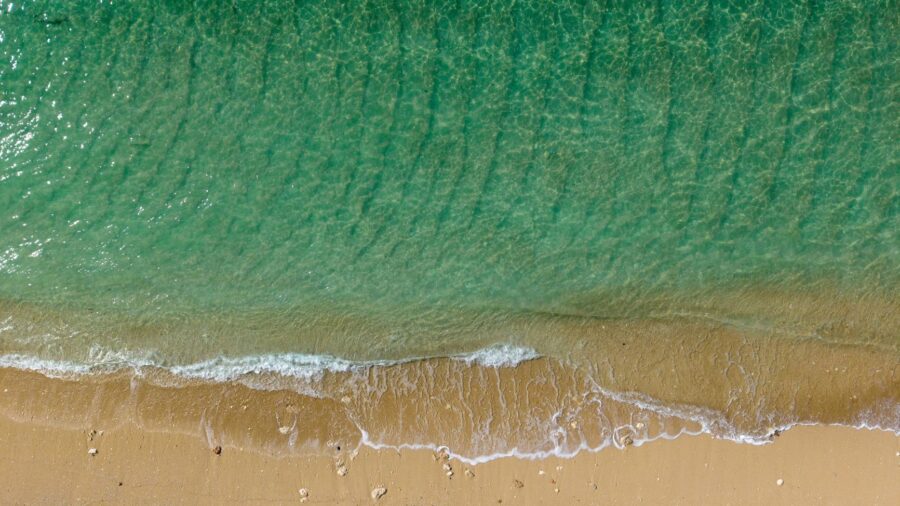
Central Arizona does not look like the kind of place that keeps a secret. But tucked between Camp Verde and Strawberry, a canyon drops 1,600 feet and fills with water so clear and blue it stops you cold. Fossil Creek runs about 14 miles through that canyon before emptying into the Verde River, and every gallon of it looks like it belongs somewhere tropical. It doesn’t. It belongs here, and it almost didn’t make it. Wikimedia Commons/Coconino National Forest
The creek that nearly ran dry for a century
For nearly 100 years, the water was pulled away from this canyon to run Arizona’s first hydroelectric power plants. Most of the streambed went dry. The fish disappeared. The plants along the banks thinned out. Then in 2005, the old dam came down and the water came back. Engineers removed non-native fish species and brought the native ones home. Today, people call it the most successful river recovery project in the Southwest, and when you stand at the edge of one of those turquoise pools, it’s easy to see why that matters. Wikimedia Commons/Coconino National Forest
Springs that push 20,000 gallons a minute, every minute
The water doesn’t come from snowmelt or rain. It comes straight from the ground. Springs at the bottom of the canyon push out roughly 20,000 gallons every minute, all year long. That adds up to nearly 30 million gallons a day. Because the source is underground, the temperature barely moves, staying near 70 degrees whether it’s January or August. The land around it bakes and freezes with the seasons. The creek just keeps flowing. Shutterstock
How the creek builds its own stone pools
The spring water carries a mineral called calcium carbonate. As the water moves, that mineral hardens onto anything in its path, including rocks, logs, and leaves, and builds up into a stone called travertine. Over time, the travertine forms natural dams, and those dams collect water into the clear, deep pools that draw people from across the state. Fossil Creek ranks as the fourth-largest travertine system in North America. The canyon is still actively building itself, one thin layer at a time. Flickr/Coconino NF Photography
The waterfall with a cave you can swim behind
The main waterfall is where most people head first, and it earns the attention. The water drops somewhere between 15 and 25 feet into a pool that glows blue-green beneath canyon walls. But what most photos miss is the cave tucked behind the curtain of falling water. You can swim back there.
The tall rock walls close in on three sides, the mist rolls over you, and the sound of water fills the whole space. It’s the kind of place you don’t describe well after the fact. Shutterstock
The coolest swim in Arizona when cities hit 100 degrees
People call Fossil Creek the clearest swimming water in Arizona, and beyond the main falls, smaller pools and cascades stretch along the creek in both directions. When Phoenix and Tucson push past 100 degrees in July, the water here stays comfortable and cool. Bring water shoes. The travertine and rocky bottom are slippery, and bare feet don’t last long. Some visitors float the calmer stretches on inflatable rafts. Others just sit in a shallow pool and let the current run over them. Shutterstock
Put on a mask and watch native fish hold in the current
The water is clear enough to see the bottom at depth, which makes snorkeling here something worth trying. The creek holds only native fish, including the roundtail chub, a species native to the Colorado River basin. Several of the fish living here fall under rare or protected status. You can watch them hold in the current over travertine formations, lit by the blue water around them. Underwater cameras pull up photos that look like they came from a reef somewhere, not from a desert canyon in Arizona. Flickr/Coconino NF Photography
Two trails, two very different days
From the parking areas, a short path called the Dixon Lewis Trail takes you to the main waterfall in about a mile. It’s easy and well-worn, moving through shade most of the way. If you want something harder, the Bob Bear Trail drops steeply into the canyon and keeps going. It’s steep and long, and your legs will know it by the end. Both trails run under tall sycamore, cottonwood, and alder trees. The sound of rushing water follows you almost the whole way down. Shutterstock
More than 100 bird species live along the banks
Year-round water in the middle of dry desert draws every creature for miles around. Colorful birds dart low over the creek and through the canopy, and more than 100 species have been recorded along the banks. Beavers, otters, and frogs live in the riverside habitat. Slow down and look into the shallows. You’ll see movement. The riparian zone along the creek is narrow but packed with life, and it stands in sharp contrast to the dry scrubland that starts the moment you step away from the water. Shutterstock
Watch the creek explain itself as you walk
Interpretive signs at major stops along the creek walk you through what happened here, how the water was taken, what went dry, and how the creek came back. You can actually watch travertine forming on sticks and leaves in real time. The native fish in the pools are living proof that the recovery worked.
Read more from this brand:
You need four-wheel-drive to reach Arizona’s forgotten 1920 solar observatory
A single 28-mile road connects ancient ruins, fossil fields, and a ghost highway in Arizona
A slice of New York lives inside this Arizona bagel shop
The post Between Camp Verde and Strawberry, a canyon opens onto turquoise water in Arizona appeared first on When In Your State.
Rangers sometimes lead programs about the area’s natural history, and the mix of green canyon and dry desert on either rim makes the contrast impossible to miss. You don’t need to read the signs to feel how different this place is. But reading them helps. Wikimedia Commons/Coconino National Forest
Find a flat rock and stay a while
Past the main swimming holes, the canyon gets quieter. Flat, pebbled areas near the water give you room to spread a blanket or set up a chair. Large boulders make natural seats with a direct view of the pools. Further upstream, smaller springs and cascades pull people away from the crowds. Hammocks strung between cottonwoods are a common sight. There’s no cell service down here and nothing pressing you to move, so most people end up staying longer than they planned. Shutterstock
What each season looks like at the creek
Spring pushes up wildflowers along the banks, including cardinal flower, columbine, and monkey flower. Summer brings the heaviest crowds, and the cool water earns its reputation when the air temperature climbs. Fall turns the canopy gold, and the pools thin out as the permit season winds down. The turquoise color shifts through the day, showing its best in softer morning or evening light. Some spots along the creek see cliff jumping, but land managers discourage it, and the risks are real. Flickr/deborah.soltesz
Visit Fossil Creek Wild and Scenic River in Arizona
To get to Fossil Creek, head about 22 miles southeast of Camp Verde into the Coconino and Tonto National Forests. From April 1 through Oct. 1, you’ll need a permit and a $6 parking pass booked in advance through the official Recreation. gov website. For the eight canyon parking lots, 40 percent of permits drop one month out on a rolling basis, with the other 60 percent releasing two days before your visit. Bob Bear Trailhead permits open on the first of each month for the following month. No permit is needed from Oct. 2 through March 31. The last stretch of road into the canyon is long, rough and unpaved with no cell service, so go in with a full tank, water, food and a plan. There are no trash cans on site, so carry everything out. This article was created with AI assistance and human editing. Read more from this brand:
You need four-wheel-drive to reach Arizona’s forgotten 1920 solar observatory
A single 28-mile road connects ancient ruins, fossil fields, and a ghost highway in Arizona
A slice of New York lives inside this Arizona bagel shop
The post Between Camp Verde and Strawberry, a canyon opens onto turquoise water in Arizona appeared first on When In Your State.
Leave a Reply