California’s ‘refuge by the sea’ has a secret past as a century: Authorities confirm
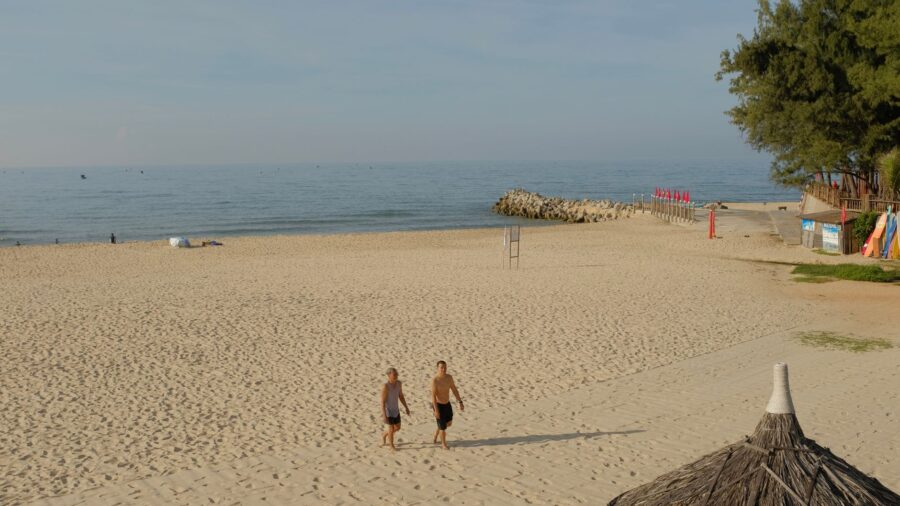
Shutterstock
What Refuge By The Sea Means
Asilomar State Beach runs a narrow mile along the west side of the Monterey Peninsula in Pacific Grove. The name comes from two Spanish words, asilo and mar, meaning refuge by the sea, and the shore itself proves it. Heavy Pacific surf scours the sand away each season and drops it back somewhere new, so the beach changes year to year. The real story here goes back more than a century, to a summer camp that shaped almost everything you see today. Wikimedia Commons/Daderot
Julia Morgan Built This Camp Stone By Stone
Asilomar started in 1913 as a summer camp and conference site for the YWCA. Julia Morgan, California’s first licensed female architect, drew up more than 25 buildings here between 1913 and 1928. She worked in the Arts and Crafts style, using local wood and stone, river-stone fireplaces, and exposed wood trusses. California bought the grounds in 1956, and 11 of Morgan’s original buildings still stand on the property today. Wikimedia Commons/Grant Montgomery
Sea Stars And Octopuses Hide In These Pools
Side paths off the main coast trail drop you down to Asilomar’s tide pools, and low tide is when they come alive. You can spot sea stars, anemones, crabs, and snails tucked into the rocks, and sand dollars and even the occasional octopus turn up if you look close. The pools sit inside a protected marine reserve, so you look without touching or collecting anything you find. Early morning low tides open up the widest stretch of pools. Wikimedia Commons/The wub
A Boardwalk That Protects 25 Acres Of Dunes
Cross Sunset Drive from the beach and you’ll find the Asilomar Dunes Natural Preserve, 25 acres of restored sand dunes threaded by a quarter-mile boardwalk. The raised walkway keeps your feet above the sand, so you can walk through without trampling the fragile habitat underneath. California designated the dunes a Natural Preserve in 2005, one of the highest levels of protection the state gives. California State Parks calls this stretch one of the best examples of dune restoration anywhere along the West Coast. Shutterstock
Endangered Wildflowers Bloom In The Sand
More than two dozen native plant species now grow across the restored dunes, and some of them exist almost nowhere else. The endangered Menzies’ wallflower blooms here between January and March, and the endangered Tidestrom’s lupine makes its home in the same sand. Hardy plants like sagewort and coyote bush hold the dunes together and slow erosion.
Come spring, lupine and sea aster bloom along the trail, filling the dunes with color you would not expect from a beach. Wikimedia Commons/Mike Baird
Otters Float While Seals Sun On The Rocks
Seals and sea lions haul out on the offshore rocks here and spend whole afternoons sunning themselves within easy view of the trail. Sea otters float on their backs in the kelp beds just off the coast, feeding as they drift. The waters off Asilomar draw a steady parade of marine mammals close to shore, and whales sometimes pass by on their migrations along the Pacific. Keep a safe distance from anything you see, and never feed the wildlife no matter how close it gets. Wikimedia Commons/TRinaud
Black Oystercatchers Nest Along These Rocky Shores
Asilomar rewards birdwatchers any time of year, but the shoreline itself does a lot of the work. Black oystercatchers nest right along the rocky coast here, and you’ll see them and pelicans swoop low over the crashing waves. The mix of beach, dunes, and pine forest pulls in both migratory and resident birds, so the list of species changes with the season. Get out early, since mornings are when shorebirds work the water’s edge hunting for their next meal. Wikimedia Commons/Daderot
Merrill Hall Was Her Final Building Here
Eleven buildings that Julia Morgan designed still stand on the conference grounds today, and together they form one of the largest collections of her work anywhere, according to California State Parks. Morgan designed from the inside out, working in open spaces, natural light, and craftsmanship you can still see in every room. Merrill Hall, finished in 1928, was the last building she completed here, framed with redwood timber trusses overhead. The Julia Morgan buildings earned National Historic Landmark status in 1987. Wikimedia Commons/Daderot
Windows Framed To Match The Dunes And Pines
Self-guided walking tours lead you through the historic conference grounds at your own pace. The Phoebe Apperson Hearst Social Hall, built in 1913, anchors the whole collection of buildings, and its windows frame the dunes and pines outside rather than compete with them. A new Historic Preservation Center opened in July 2026 to help restore and protect the buildings for years to come. The grounds sit among Monterey pines just steps from the sea, so every path connects back to the water. Shutterstock
Century-Old Pines Rise 100 Feet Above The Trail
Just inland from the beach, you’ll find a forest of native Monterey pines and coast live oaks, some of them a century old and standing up to 100 feet tall. A short self-guided walk winds through the trees, and the gentle loop makes it a favorite for a quiet stroll or a little more birdwatching.
El Matador is Malibu showing off
Rodeo Beach near San Francisco has old military bunkers and zero sand
California’s weirdest beach hides rows of giant stone bowling balls under the tide
The post California’s ‘refuge by the sea’ has a secret past as a century-old summer camp appeared first on When In Your State.
Wind-sculpted pines lean along the edges of the dunes and coast trail. The forest, the dunes, and the shore all connect inside this one compact park. Shutterstock
Twenty-Seven Entry Points Line Sunset Drive
The Asilomar Coast Trail runs about a mile along the rocky shoreline, and the mostly flat path works for walkers and families at any fitness level. Sections of the trail are paved or boardwalked, and a beach wheelchair is available on request if you need one. Twenty-seven marked entry points along Sunset Drive give you easy access no matter where you park. The route delivers ocean views, pocket beaches, and pine-framed scenery the entire way. Shutterstock
Watch Surfers Ride Waves At Sunset
The west-facing shore here catches the sun straight on, and the light show over the open Pacific pulls people to the rocks every evening. Golden hour lights up the rocks, the dunes, and the crashing surf, and photographers plan around it. Asilomar is a reliable surf spot too, with surfers riding its waves nearly every day of the year. The coastline gives you scene after scene worth a photo, and next to the busier stops on the Monterey Peninsula, this stretch stays quieter. Wikimedia Commons/The wub
Visit Asilomar State Beach in Pacific Grove
You’ll find Asilomar State Beach and Conference Grounds at 800 Asilomar Avenue in Pacific Grove, California, run by California State Parks. You won’t pay an entrance fee, and parking along Sunset Drive is free. Monterey is about four miles away, and Carmel-by-the-Sea is about seven. The boardwalk and coast trail work for wheelchairs, and you can request one at the Phoebe Apperson Hearst Social Hall. Skip swimming here, since rip currents and cold water make it unsafe. This article was created with AI assistance and human editing. Read more from this brand:
Sea stacks, sandstone, and sea caves? El Matador is Malibu showing off
Rodeo Beach near San Francisco has old military bunkers and zero sand
California’s weirdest beach hides rows of giant stone bowling balls under the tide
The post California’s ‘refuge by the sea’ has a secret past as a century-old summer camp appeared first on When In Your State.
Leave a Reply