Between Fairbanks and Denali, this 400-person town holds Alaska’s golden spike: Here’s the latest
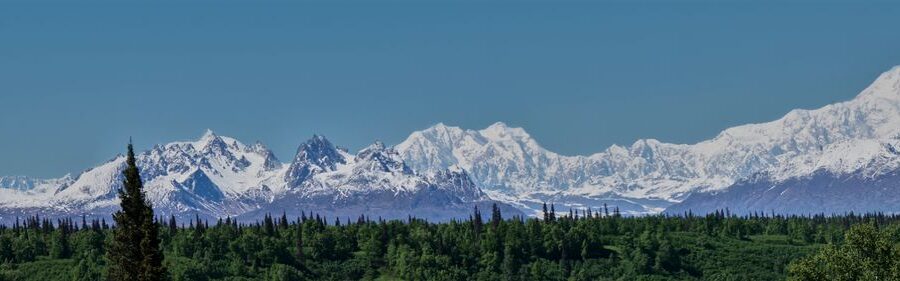
Shutterstock
Where two rivers meet history
Fewer than 400 people live in Nenana, but the whole state knows the name. You find it where the Nenana River pours into the Tanana, right along the George Parks Highway about 55 miles south of Fairbanks. The Athabascan name for this spot was Toghotthele, meaning mountain that parallels the river. Early explorers twisted that into Tortella before the town settled on its current name. On the drive between Fairbanks and Denali, this stop rewards you with more history than its size would suggest. Shutterstock
Where a president drove the last spike
Athabascan people gathered at this river junction for winter potlatches and summer fishing long before any town existed here. Jim Duke built a trading post in 1903 to serve travelers moving along the river. Then in 1923, President Warren Harding arrived to drive the golden spike that finished the Alaska Railroad, connecting Fairbanks in the north to the port of Seward in the south. A monument just north of the river marks that exact moment today, and standing near it, you get a sense of how much this small crossing once mattered. Shutterstock
Stand at the spot the railroad finished
East of the old train station, you can find the marker that shows precisely where the railroad reached completion. An interpretive area around it lays out the story for anyone passing through, and most travelers pull over here for a photo. The site sits close enough to the river and the historic depot that you can cover all three in a short walk. Look around and picture Nenana in its early days, when the rails made this quiet river bend one of the busiest hubs in the territory. Wikimedia Commons/Carl Chapman
A depot older than Alaska statehood
Workers finished the train depot in 1922, and President Harding stepped off here just a year later during his visit. A full restoration in 1988 kept the building standing, and it now holds a spot on the National Register of Historic Places. You will find it on A Street in the middle of town, its design carrying you back to the golden age of Alaska rail travel. Locals and visitors alike point to it as one of the most photogenic buildings anywhere in Nenana. Wikimedia Commons/Haydn Blackey
Railroad memorabilia fills the old depot
Step inside the restored depot and you land in a museum packed with railroad memorabilia and tools from the era when steel rails were still new to Interior Alaska. Local artifacts fill the display cases, and the exhibits walk you through how the railroad reshaped daily life across the region. You get a compact, easy stop here, one that history lovers tend to linger over longer than they planned. Every piece on display ties back to the same story that started with that golden spike.
Wikimedia Commons/FairbanksMike
Alaska’s longest bridge span still carries trains
Just past town, the Mears Memorial Bridge stretches across the Tanana River for about 700 feet of steel truss. Crews finished it in 1923, and it still holds the record as the longest bridge span in Alaska. This bridge closed the final gap in the 470-mile Alaska Railroad, tying the whole line together end to end. Trains cross it to this day, and from the riverbank, you can watch the whole structure at once, low and long against the water. Wikimedia Commons/Gillfoto
A century-old log church with moosehide beadwork
Built in 1905 during the Episcopal Church’s early mission years in Alaska, St. Mark’s began somewhere else and moved a mile downriver to its current downtown spot in 1955. Logs squared on three sides make up the walls, topped with a bell tower and a gable front. Gothic-arched windows hold stained glass in color, and inside, a hand-carved altar wears a covering of Athabascan beadwork stitched onto bleached moosehide. Few buildings this small carry this much craft in one place. Wikimedia Commons/U.S. National Archives
Athabascan heritage at the Starr Center
The Alfred Starr Cultural Center centers its exhibits on the Athabascan people who have called this region home for generations. You will see beadwork alongside displays on riverboat racing and the dog mushing tradition that still runs through the area. A gift shop inside sells handmade Alaska Native crafts you can take home. The center takes its name from a respected Alaska Native leader who spent his life working to keep these traditions alive for the people who came after him. Wikimedia Commons/Enrico Blasutto
A living roof welcomes you to town
Driving into Nenana, the log visitor center catches your eye first, and its sod roof does most of the work. Flowers bloom across that roof all summer, turning a practical log cabin into something you will want to photograph before you even step inside. The building itself shows off traditional Alaska log construction. Once you are through the door, you can browse local crafts, photography, and pick up travel information for the rest of your stop in town. Wikimedia Commons/Markus Trienke
Sled dogs run in this town’s blood
Mushing shapes daily life here in a way few other towns can claim. Nenana ranks among Alaska’s known centers for the sport, and world-class racing teams train on the snowy trails and open country surrounding town. Several Iditarod competitors, including past champions, have called Nenana home over the years.
Read more from this brand:
Fewer than 800 people live here, but this Indiana town rewired American education
Unlikely comrades: The WWII program that united Americans and Soviets in Alaska
America’s most remote train ride runs through Alaska and some of its stops have no roads at all
The post Between Fairbanks and Denali, this 400-person town holds Alaska’s golden spike appeared first on When In Your State.
You feel the tradition even outside racing season, woven into conversations and daily routines around town. This is not a novelty act staged for visitors. It is simply how people here have always lived. Wikimedia Commons/James Brooks
Tugboats and barges still work this river
For more than a century, Nenana’s waterfront has served as a shipping hub for river country. Tugboats and barges still load here today, carrying supplies down the Tanana and Yukon rivers to villages that have no road access. A replica sternwheeler sits on display, recalling the steamboats that once hauled people and cargo across Interior Alaska before roads or rail reached this far. Walking the riverbank, you get a real look at how Alaska’s waterways still move goods the way they always have. Wikimedia Commons/jkbrooks85
A wooden tripod that tracks spring itself
Every winter, townsfolk haul a tall wooden tripod out onto the frozen Tanana River and plant it in the ice. The tradition traces back to 1917, when Alaska Railroad workers first started watching for the spring thaw. When the ice finally breaks up, the moving tripod marks the exact moment it happens. Decades of breakup dates now serve as an informal record of how the seasons have shifted over time. A replica stands in town year-round, so you can see the tripod even outside breakup season. Wikimedia Commons/Fourthords
Visiting Nenana in Alaska
You can find Nenana at Milepost 304.5 on the George Parks Highway, about 55 miles south of Fairbanks, right where the Nenana and Tanana rivers come together. The log visitor center, at the junction of the highway and A Street, generally runs Memorial Day weekend through Labor Day, with shorter or closed hours off-season. The Alfred Starr Cultural Center typically opens May through September. St. Mark’s Church, the depot museum, the Golden Spike monument, and the riverfront all sit within easy walking distance downtown. Winter travelers can catch the aurora here, but check road and facility conditions first. This article was created with AI assistance and human editing. Read more from this brand:
Fewer than 800 people live here, but this Indiana town rewired American education
Unlikely comrades: The WWII program that united Americans and Soviets in Alaska
America’s most remote train ride runs through Alaska and some of its stops have no roads at all
The post Between Fairbanks and Denali, this 400-person town holds Alaska’s golden spike appeared first on When In Your State.
Leave a Reply