Drive eight miles through salt marsh, tidal coves, and bird habitat on the Jersey Shore: As the story develops
Shutterstock
It’s right off the Garden State Parkway
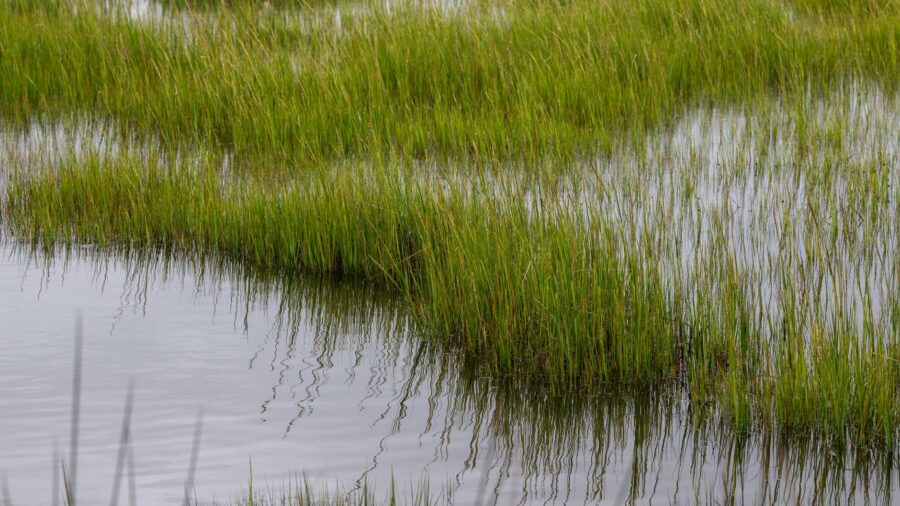
Most people blow past this stretch of the Jersey Shore at 65 mph and never know what sits just off the road. Edwin B. Forsythe National Wildlife Refuge covers more than 48,000 acres of southern New Jersey coast, spanning about 50 miles north to south. Nearly 80 percent of it is salt marsh, shallow bays, and tidal coves. The whole thing sits on the Atlantic Flyway, one of the busiest bird migration routes in the hemisphere, and it carries a designation as a Wetland of International Importance. You can drive through the heart of it without leaving your car. Wikimedia Commons/U. S. Fish and Wildlife Service
Two separate refuges merged into one in 1984
The refuge started as two pieces. Brigantine came first in 1939, then Barnegat followed in 1967. By 1984, the federal government joined them into a single protected stretch of coast named for Congressman Edwin Forsythe, who spent years pushing for conservation in New Jersey. The land itself goes back much further. It sits on the ancestral home of the Lenni Lenape people. Today the U.S. Fish and Wildlife Service manages the whole thing. Wikimedia Commons/U. S. Fish and Wildlife Service
An 8-mile dirt road loops through the marsh
Wildlife Drive is the main draw, and you do the whole thing from your car. The one-way dirt road loops for eight miles through marsh, ponds, and patches of woods. It ranks among the best birding areas in the region, and it changes with every season. Snow covers the grasses in January, green floods back in April, and golden light hits the water in October. If you want nature without lacing up hiking boots, this is the move. Wikimedia Commons/Rhododendrites
Over 360 bird species have been recorded here
The numbers tell the story. More than 360 bird species show up in the refuge records, from ducks and geese to wading birds and shorebirds. Fresh and saltwater pools sit side by side along the drive, and each one draws different species. You can pull over, roll your window down, and watch herons work the shallows while a flock of dunlins wheels overhead. On almost any given day, several species are out feeding where you can see them. Wikimedia Commons/U. S. Fish and Wildlife Service
Snow geese pack the marsh by the thousands in winter
December through February is when the refuge gets loud. Thousands of snow geese gather on the marsh grasses, and you can hear them before you spot them. The refuge holds some of the largest winter flocks of black duck and brant on the entire Atlantic coast.
Bald eagles circle above the tree line, short-eared owls hunt at dusk, and buffleheads dot the open water. The best part is you can watch all of it from inside a warm car. Wikimedia Commons/U. S. Fish and Wildlife Service
Spring and fall migration fills the sky
Time your visit with spring or fall migration and the numbers jump. Tens of thousands of shorebirds stop here to rest and refuel on their way north or south. Ospreys return in spring after months away, and glossy ibis arrive as the marsh turns green. Fall brings another wave, with birds stacking up along the pools and mudflats. The drive feels different during migration. There is more movement, more sound, more life packed into every stretch of road. Wikimedia Commons/U. S. Fish and Wildlife Service
Two towers rise above the marsh for wide-open views
Gull Pond and Turtle Cove each have an observation tower, and both put you high above the water and grasses. From the top, you can scan for distant flocks, track a harrier working the marsh edge, or just take in the scale of the place. Bring binoculars for the best look. An observation deck with spotting scopes is also set up nearby, so even without your own gear, you can zoom in on birds a quarter mile out. Wikimedia Commons/U. S. Fish and Wildlife Service
The boardwalk looks out at the Atlantic City skyline
A boardwalk stretches over the open salt marsh, and from the end of it, you can see the Atlantic City skyline in the distance. Towers and casinos rise on the horizon while nothing but grass and water surrounds you. The contrast makes for a striking photo. The walk itself is flat and gentle, good for all ages and easy on the knees. Come at sunrise or sunset, when warm light spreads across the marsh and turns the water gold. Wikimedia Commons/U. S. Fish and Wildlife Service
Short trails wind through forest and freshwater swamp
Several trails branch off from the main areas, and none of them will wear you out. The Leeds Eco-Trail has a 400-foot boardwalk that carries you right over the marsh. Jen’s Trail is a short loop, about three-quarters of a mile, flat and easy. The Bristow Trail cuts through quiet piney woods where the air smells different. More trails stretch north toward Brick Township in other sections of the refuge, if you want to explore beyond the main drive. Wikimedia Commons/U. S.
Read more from this brand:
Sandy Hook packs dunes, ghost forts, and America’s oldest lighthouse into one free New Jersey peninsula
This New Jersey stone castle lighthouse sees Sandy Hook, the ocean, and Manhattan at once
New Jersey’s oldest beach town turns 50 as a National Historic Landmark
The post Drive eight miles through salt marsh, tidal coves, and bird habitat on the Jersey Shore appeared first on When In Your State.
Fish and Wildlife Service
Early morning light and open skies reward photographers
Big skies, open water, and thousands of birds make the refuge a place where your camera stays busy. Early morning and dusk bring the softest light, and the marsh changes color with it. Deer show up at dawn, feeding on small marsh islands while mist sits on the water. The seasons shift the scenery constantly. Winter whites, spring greens, fall golds. Every visit looks different from the last, and the birds give you close-up chances you rarely get elsewhere. Wikimedia Commons/U. S. Fish and Wildlife Service
Wild beaches protect some of New Jersey’s rarest nesting birds
The refuge includes some of the last undeveloped beaches left in New Jersey. At Holgate and Little Beach Island, threatened piping plovers dig their nests in the sand. About a third of the state’s nesting plovers use these stretches. Holgate closes during nesting season so the birds can raise their young without disturbance. Walk these quiet shores outside of closure and you see the coast the way it looked before boardwalks and beach houses took over. Wikimedia Commons/U. S. Fish and Wildlife Service
A calm day trip with no crowds and no rush
The visitor center has displays, restrooms, and a small gift shop to get you started. You can buy an America the Beautiful pass right at headquarters. Guided Friday bird walks run weekly from September through June, led by people who know every species on the marsh. The refuge opens daily at sunrise and closes at sunset. No reservations, no timed entry. Just pull in, drive slow, and let the birds do the rest. Wikimedia Commons/U. S. Fish and Wildlife Service
Explore Edwin B. Forsythe National Wildlife Refuge in New Jersey
You can start your visit at the refuge headquarters and visitor center in Galloway Township, right off Great Creek Road in Oceanville, N.J. The refuge is open daily from sunrise to sunset, and there is no entrance fee for those with a valid federal lands pass. Otherwise, the daily vehicle fee is $4. Head to the visitor center first, grab a map, then drive the full 8-mile Wildlife Drive loop. Check the official website before you go for seasonal closures and bird walk schedules. This article was created with AI assistance and human editing. Read more from this brand:
Sandy Hook packs dunes, ghost forts, and America’s oldest lighthouse into one free New Jersey peninsula
This New Jersey stone castle lighthouse sees Sandy Hook, the ocean, and Manhattan at once
New Jersey’s oldest beach town turns 50 as a National Historic Landmark
The post Drive eight miles through salt marsh, tidal coves, and bird habitat on the Jersey Shore appeared first on When In Your State.
Leave a Reply