Drive across Lake Pontchartrain to forests, bayous, and Louisiana’s quiet Northshore: Officials say
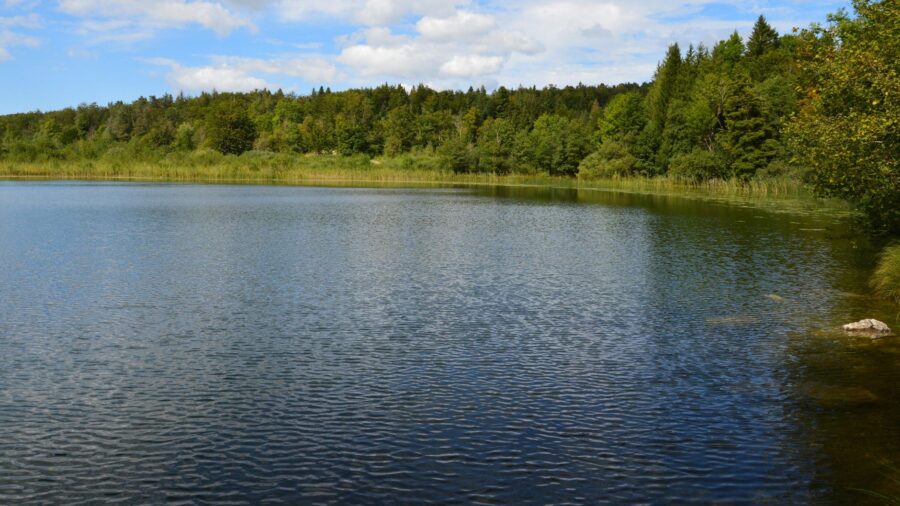
Wikimedia Commons/Terry Greene
Louisiana’s Northshore is worth the drive
Cross the Lake Pontchartrain Causeway and the city falls away behind you. Water spreads out in every direction, open and flat, and for a few minutes you’re not quite sure if you’re on a bridge or floating. When you reach the other side, forests close in, bayous glitter through the trees, and the pace drops by half. The Northshore doesn’t try to compete with New Orleans. It does something different, and that’s the whole point. Wikimedia Commons/Glenn
The bridge that puts water on every side of you
The Lake Pontchartrain Causeway runs nearly 24 miles from Metairie, south of the lake, to Mandeville on the northern shore. For much of the crossing, the shoreline disappears and open water fills every window. There’s nothing to see but sky and lake, and that emptiness is its own kind of striking. The bridge is the longest continuous overwater crossing in the world, and it’s also your fastest way from the city into a completely different Louisiana. Wikimedia Commons/Mark Holloway
A sugar plantation and a river town with deep roots
Mandeville takes its name from Bernard de Marigny de Mandeville, a wealthy Creole landowner who built a sugar plantation and mill on the lakeshore in 1829. He named it Fontainebleau, after a forest outside Paris. The brick ruins of that mill still stand. A few miles west, Madisonville grew along the Tchefuncte River as a boatbuilding town. The Tchefuncte River Lighthouse still marks the river’s mouth, its current tower built in 1867 and first lit in 1868, replacing one the Civil War damaged. Wikimedia Commons/Willam Blackwell
Oak trees and sugar mill ruins at Fontainebleau State Park
About 2,800 acres of park land press right up against the north shore of the lake at Fontainebleau State Park. Live oaks thick with Spanish moss shade the campground and picnic areas. Walk down to the sandy beach and you can watch sailboats drift across the water from a long pier. The boardwalk and nature trails wind through the grounds, and near the entrance the old sugar mill ruins rise out of the ground exactly where Bernard de Marigny’s workers left them almost two centuries ago. Wikimedia Commons/GreaterPonce665
Louisiana’s first rail-trail links five lakeside towns
The Tammany Trace runs 31 miles along an old railroad bed, crossing creeks and bayous on dozens of small bridges. The trail connects Covington, Abita Springs, Mandeville, Lacombe, and Slidell, and you can cover any stretch of it on foot, bike, or roller skates. It was Louisiana’s first rails-to-trails conversion, and it earned a spot in the national Rail-Trail Hall of Fame.
Most of the route runs through tree cover, so even on warm days the shade keeps things manageable. Wikimedia Commons/Dominic Sherony
Bald eagles and red-cockaded woodpeckers in the marsh
Big Branch Marsh National Wildlife Refuge covers more than 18,000 acres near Lacombe, mixing freshwater marsh, cypress-tupelo forest, and pine flatwoods into one connected landscape. Boardwalk trails carry you out over the water where turtles surface and birds work the shallows. Bald eagles, brown pelicans, alligators, deer, and otters all move through here. In spring and summer, the rare red-cockaded woodpecker nests in the pines, which puts this stretch of Louisiana on the radar for serious birders from across the country. Wikimedia Commons/capt_tain Tom
Herons, ducks, and wide lake views from Lake Road
Lake Road pushes south through the marsh until the land runs out at the edge of Lake Pontchartrain. The route ranks among the region’s best birding spots, and the list backs that up. Herons, egrets, gulls, terns, and black skimmers line the water. On cooler days, more than 20 species of ducks and geese have been counted along this stretch. At the road’s end, an observation deck gives you an open view across the lake, which on a clear morning stretches all the way to the horizon. Wikimedia Commons/Infrogmation
Live oaks, lakefront walks, and a community market
Old Mandeville sits right where the Causeway puts you down on the north shore. Giant live oaks line Lakeshore Drive, and a walking path follows the water past historic homes and a gazebo that photographs well at any hour. Girod Street runs a short block or two of small shops and galleries. On market days, the Mandeville Trailhead fills with local farmers, artists, and musicians. It’s the kind of neighborhood where you park once and spend a few hours on foot without planning to. Wikimedia Commons/Infrogmation
A Creole house and one of the oldest music halls around
The Jean Baptiste Lang Creole House in Old Mandeville is a small museum now, but it holds unusual architectural details you don’t find in most houses of any era. It’s one of the few Anglo-Creole structures still standing in the area. A short distance away, the 1895 Dew Drop Jazz and Social Hall carries its own history, as one of the oldest music halls of its kind still in use. It still hosts outdoor concerts, so check the schedule before you go. Wikimedia Commons/BSwank
Paddle Cane Bayou through cypress trees and Spanish moss
The Northshore runs thick with bayous, rivers, and marshy waterways, and the best way to get close to any of them is by kayak. Cane Bayou, near Fontainebleau, draws paddlers who want calm water and wildlife without a long haul to reach it.
Read more from this brand:
This Louisiana cabin sits over the bayou, and eagles work the treetops at dawn
This 180-mile Louisiana drive packs gators, pink birds, and a free ferry ride
Deep in Louisiana, one tree has been standing since before America existed
The post Drive across Lake Pontchartrain to forests, bayous, and Louisiana’s quiet Northshore appeared first on When In Your State.
The route moves through cypress trees hung with Spanish moss, past turtles, herons, and the kind of quiet that’s hard to find anywhere near New Orleans. Rentals are available for those coming without a boat, so you don’t need your own gear to get out there. Wikimedia Commons/abbeyprivate
A river town, a replica submarine, and old shipyard ground
Madisonville sits on the banks of the Tchefuncte River, and the riverfront walk gives you a good reason to slow down and watch boats move in and out of the marinas. Maritime Museum Louisiana tells the story of the boatbuilding trade that shaped this town, with ship models, river history, and a replica of a Civil War submarine among the exhibits. The museum stands on the grounds of a large early-1900s shipyard, which gives the whole place an extra layer of weight. Wikimedia Commons/Saint Tammany
Art galleries, a river park, and Covington’s old downtown streets
Covington’s downtown moves at a slow pace through streets lined with preserved old buildings. Art galleries and boutiques take up much of the ground floor space, and the town has a reputation across the region as a gathering place for working artists. Each November, the Three Rivers Art Festival pulls large crowds into the streets. When you need a break from the galleries, the Bogue Falaya River and its riverside park sit close enough to reach on foot. Walk the river, then walk back. Wikimedia Commons/Saint Tammany
Spring water, folk art, and a po’boy worth crossing the bridge for
Abita Springs built its identity around natural spring water, and the town still carries that slow, old-fashioned character. The Abita Mystery House packs its rooms with homemade folk-art exhibits that take a while to work through. The Abita Trailhead Museum tells the town’s story right along the Trace. When you get hungry, Northshore kitchens do Cajun seafood straight, with shrimp and oyster po’boys on the regular menu and fresh crawfish showing up when the season runs. Wikimedia Commons/Pedro de Carvalho Ponchio
Cross Lake Pontchartrain on the Causeway
To get to the Northshore, you drive the Lake Pontchartrain Causeway north from Metairie to Mandeville, a crossing that takes about 20 to 30 minutes in normal traffic. Tolls apply going south only; northbound is free. The Causeway Authority collects the current rate, so check the official website before you go for updated pricing. High winds can close the bridge to tall vehicles and motorcycles, and fog can slow or stop traffic. Conditions can shift, so look them up before you leave. This article was created with AI assistance and human editing. Read more from this brand:
This Louisiana cabin sits over the bayou, and eagles work the treetops at dawn
This 180-mile Louisiana drive packs gators, pink birds, and a free ferry ride
Deep in Louisiana, one tree has been standing since before America existed
The post Drive across Lake Pontchartrain to forests, bayous, and Louisiana’s quiet Northshore appeared first on When In Your State.
Leave a Reply