Frozen in Time: How Peacham, Vermont Has Preserved Its 19th-Century Character for 732 Residents: Here’s the latest
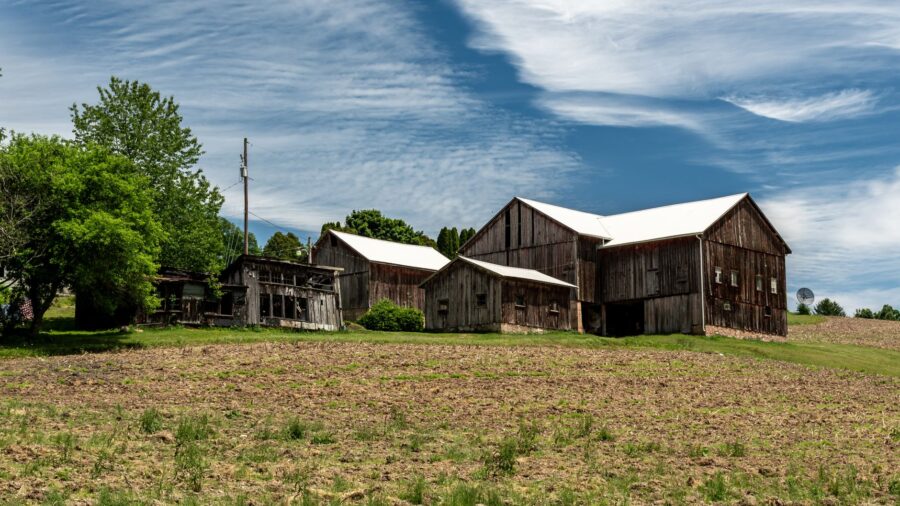
A village of just 732 residents tucked along a ridge in Vermont’s Northeast Kingdom has managed to look almost identical to how it appeared 160 years ago — and that’s entirely by design. Peacham, situated at roughly 1,310 feet in Caledonia County, stopped growing architecturally around 1860, before the Victorian building boom reshaped most of New England. What remained was a concentration of Federal and Greek Revival structures so well-preserved that Yankee Magazine once declared it the most iconic village in the region. The Peacham Corner Historic District, spanning approximately 100 acres, earned a spot on the National Register of Historic Places in 2003, with Federal and Greek Revival buildings lining Church Street, Bayley-Hazen Road, Main Street, Academy Hill, and Old Cemetery Road. Small lawn signs on many homes identify each building’s construction date and original name. Photographer Clemens Kalischer captured the village for Vermont Life in 1959, and those same images later appeared in a Time-Life volume on New England published in 1967.
The town’s roots stretch back to a 1763 charter, with Europeans establishing a permanent presence by 1776. The Abenaki people had used the land seasonally long before that. Growth along the ridge was driven in part by the Bayley-Hazen Military Road, a Revolutionary War-era supply route that still passes through town, and the village itself developed around its intersection with Church Street. From elevated vantage points such as Devil’s Hill and Cow Hill, visitors can simultaneously see Vermont’s Green Mountains to the west and New Hampshire’s White Mountains to the east. Working farms that have operated on the same land for generations still dot the surrounding countryside. Beyond the historic streetscape, Peacham holds a remarkable range of attractions. The Congregational Church, built in 1806 from local timber and fieldstone, ranks among Vermont’s 15 oldest church buildings; the congregation relocated the entire structure downhill in the 1840s, and it continues to hold services today. On Church Street, the Ashbel Goodenough Blacksmith Shop — purchased and restored by the Peacham Historical Association in 1997 — offers live smithing demonstrations on the Fourth of July and during the annual Fall Foliage Festival. A barn behind the Civil War Monument houses the Snow Roller Barn Museum, believed to be the only such collection in Vermont, displaying restored wooden drums once pulled by horses or oxen to pack snow onto roads for sleigh travel. The Peacham Juvenile Library Society, founded on August 9, 1810 by students at Peacham Academy who each paid $2 to join, received a Vermont legislative charter in 1855 and still operates today. The Northern Skies Observatory, built in 2012 near Peacham Elementary School and operated by the Northeast Kingdom Astronomy Foundation, offers access to a robotically controlled 17-inch telescope under skies rated at Bortle class 2 — among the darkest in the Northeast. Just minutes from the village, the 748-acre Peacham Bog Natural Area inside Groton State Forest shelters carnivorous pitcher plants, black spruce woodland, moose, beaver, black bear, and otter. Peacham Pond, covering 340 acres with a maximum depth of 61 feet, supports brown trout, yellow perch, rainbow smelt, and loons monitored through Vermont’s annual LoonWatch survey, with Groton State Forest’s more than 26,000 acres and seven state parks nearby.
The Peacham Corner Guild, operating since 2001 at 643 Bayley Hazen Road, is a cooperative where members sell only what they’ve made themselves — handknit goods, woven baskets, woodturnings, quilts, and locally produced foods — opening seasonally and during village events. In 2026, Peacham will mark 250 years of settlement with special exhibitions planned throughout the year.
Peacham lies about 20 miles northeast of Montpelier, and the historic district is free to walk at any time of year. The farmers market runs Thursdays from June through October on Academy Green, featuring maple products, local produce, and live music. The Fourth of July tractor parade and the Fall Foliage Festival — held on a Thursday in early October with open houses, a library book sale, a school lunch, and a church community supper — draw significant crowds. Anyone planning a festival visit should arrive early, as parking fills quickly on Fall Foliage Thursday. Current hours for the blacksmith shop, Snow Roller Barn Museum, library, and observatory are available through the Peacham Historical Association’s website and the Town of Peacham’s official site.
Leave a Reply