Indiana quietly rebuilt a prairie the size of a small city, then let bison loose on it: Officials say
Shutterstock
Indiana’s wild tallgrass prairie returns
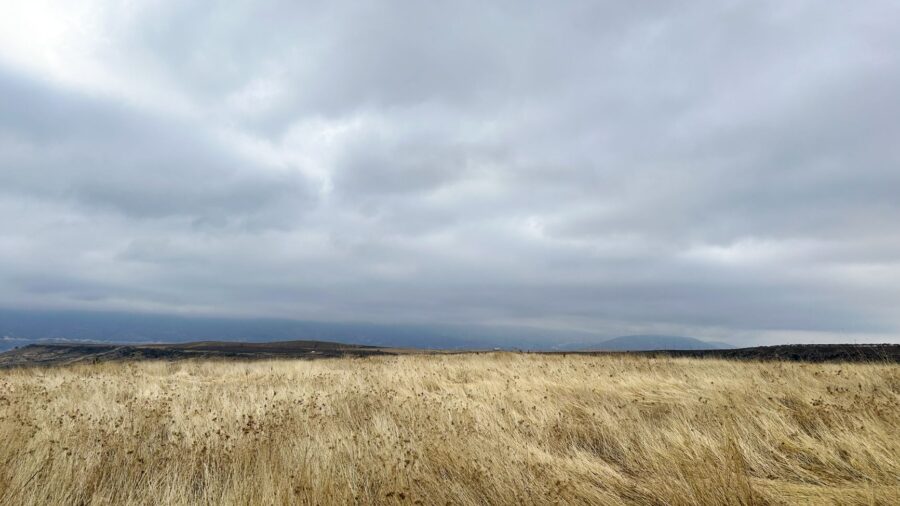
Drive far enough into northwestern Indiana and the cornfields start giving way to something older. Kankakee Sands spreads across the flat land near the small town of Morocco, a restored sweep of tallgrass prairie, oak savanna, and wetlands that stretches to the horizon in every direction. The Nature Conservancy has been rebuilding this land for nearly three decades, and now it holds one of the largest prairie restorations in the Midwest. The bison came back in 2016. The wildflowers followed. What you find out here takes most people by surprise. Wikimedia Commons/Chris Light
This land was once Indiana’s largest lake
Before the farms, before the draining, this corner of Indiana held Beaver Lake, a shallow body of water about seven miles long and five miles wide, surrounded by one of the great wetland systems in the country. People called it the Everglades of the North. It sat at the heart of the Grand Kankakee Marsh, thick with plants and wildlife. By the early 1900s, developers had drained it all and turned the land into fields. In 1996, the Nature Conservancy bought 7,200 acres of that farmland and started the long work of bringing it back. Shutterstock
Bison hadn’t set foot here in 200 years
For two centuries, Indiana had no bison. They had been gone from the state since the early 1800s, wiped out as settlers pushed across the land. In October 2016, 23 animals arrived from South Dakota, descendants of the Lame Johnny herd with roots going back to Wind Cave National Park. The herd has grown steadily ever since and now numbers about 100. Bison are the largest land animal in North America, and standing near the fence line watching a bull graze is one of those moments that resets your sense of scale. Wikimedia Commons/Chris Light
The elevated viewing platform puts you eye level with the herd
The bison roam about 1,100 acres of open prairie, ringed by tall fencing that keeps the herd in and visitors at a safe distance. The Bison Viewing Area is where you want to head first. An elevated platform with mounted spotting scopes lets you scan the pasture even when the animals have wandered far from the fence. Information panels around the area explain what you’re looking at: the herd, the prairie, the plants the bison depend on. Some mornings the herd drifts close and you don’t need the scopes at all. Shutterstock
A bison does more for a prairie than a mower ever could
The herd isn’t just living here. It’s working. Bison graze heavily on grasses, which opens up space for wildflowers to take hold. When a bison rolls on the ground, it digs a shallow hollow called a wallow, and when rain fills those dips, frogs and insects move in. Lower grass near the wallows draws rare birds like the upland sandpiper, which needs open ground to nest. The whole cycle runs without any human management.
The prairie stays healthy because the bison are doing what bison have always done. Wikimedia Commons/Dominic Sherony
More than 240 bird species call this prairie home
Bring binoculars. The prairie pulls in birds that have almost no other places left in Indiana. Henslow’s sparrows sing from the grass tops in summer, a sound you won’t hear in most of the state. Northern harriers cruise low over the fields hunting on the wing. In winter, short-eared owls work the same open ground at dusk. Come fall, the calls of sandhill cranes carry down from the sky overhead. Early mornings fill with meadowlarks before the heat settles in. Over 240 species have been recorded here. Wikimedia Commons/Pennsylvania Army National Guard
Rare butterflies drift above the wildflowers
The prairie holds about 70 butterfly species, including the regal fritillary, a large orange-and-black butterfly listed as endangered in Indiana that has lost most of its habitat across the Midwest. More than 1,000 moth species live here too, most of them nocturnal and easy to miss. Dragonflies work the wet edges of the grassland through summer. Bees of all kinds move from flower to flower across the restored meadows. You won’t find this density of insect life in a cornfield. The prairie has to be intact for it to exist. Wikimedia Commons/Chris Light
Six hundred native plants rebuilt this prairie from scratch
The restoration crew didn’t just let the land go wild. They planted it, using more than 600 kinds of native plants to rebuild what had been gone for over a century. Summer turns the fields into waves of color. Blazing star sends up tall purple spikes. Spotted bee balm and rattlesnake master grow thick between the grasses. The mix shifts as the season moves from spring into summer and then into fall. No two visits look exactly the same, and by mid-July the flowers are above your waist in some stretches of the trail. Wikimedia Commons/Chris Light
The Grace Teninga Discovery Trail takes you into the heart of it
The two-mile Grace Teninga Discovery Trail loops out into the open prairie and gives you a real sense of how much land there is here. Wide grasslands press in on both sides of the path. Birds perch on seed heads just off the trail. Insects fill the air with sound by midsummer. The trail is flat and easy to walk, but the scale of the surrounding land can feel overwhelming in the best way.
Read more from this brand:
This Indiana national park has arctic flowers, desert cactus, and houses that floated across a lake
Sand dunes, wild orchids, and Chicago skyline views: Indiana’s secret national park delivers
The unlikely alliance that saved Indiana’s ancient forest
The post Indiana quietly rebuilt a prairie the size of a small city, then let bison loose on it appeared first on When In Your State.
It’s the kind of place where you can stop in the middle and look in any direction without seeing a building. Wikimedia Commons/Chris Light
A black oak savanna on the Conrad Station Trail
The Conrad Station Savanna Trail runs 1.6 miles through a black oak savanna, one of the rarest habitats in this part of the country. Scattered oaks stand wide apart from each other, the canopy open enough that sunlight hits the ground and prairie plants grow up between the trees. It looks nothing like the open grassland on the other side of the preserve. Spring wildflowers come in early here under the oaks before the leaves fill in. Walking this trail back-to-back with the prairie trail shows you how much variety this land holds. Wikimedia Commons/MH Herpetology
Lizards skitter across the gravel and gophers mound the trail edges
Short gravel paths lead out to overlooks near the bison pasture, and you’ll likely see more than bison along the way. Six-lined racerunner lizards move fast across the warm gravel, stopping to watch you and then darting off before you get a good look. Mounds of loose sand pushed up by burrowing pocket gophers dot the edges of the trails. The Bison Overlook faces out over both the north and south pastures. The Prairie Overlook ends in a small cluster of oaks where songbirds gather, a quiet spot worth sitting in for a few minutes. Wikimedia Commons/Chris Light
The prairie changes every season and the sunsets hit differently out here
Spring brings migrating birds moving through in waves and fresh green growth pushing up from the soil. Summer hums with insects and the wildflowers peak in waves from June through August. Fall turns the grasses copper and gold, and on clear days in October the sky fills with sandhill cranes heading south. Then in winter, the short-eared owls arrive and the whole landscape goes quiet. Sunsets over open prairie are long and wide, the sky taking up more space than most people are used to. Plan to stay until the light fades. Wikimedia Commons/Chris Light
Visit Kankakee Sands Nature Preserve in Morocco, Indiana
You can walk into Kankakee Sands any day of the year without paying a thing. The preserve sits at 3294 North U.S. 41 in Morocco, Indiana, and stays open from sunrise to sunset. The Bison Viewing Area opens at 7 a.m. Central Time. Start at the Welcome Area, which has signage, a picnic shelter, a viewing platform, and vault toilets. Wear long pants and bring water, sunscreen, and insect repellent because shade is scarce. Cell service is limited out here, pets are welcome on a leash, and during deer season, wear blaze orange in the field areas. This article was created with AI assistance and human editing. Read more from this brand:
This Indiana national park has arctic flowers, desert cactus, and houses that floated across a lake
Sand dunes, wild orchids, and Chicago skyline views: Indiana’s secret national park delivers
The unlikely alliance that saved Indiana’s ancient forest
The post Indiana quietly rebuilt a prairie the size of a small city, then let bison loose on it appeared first on When In Your State.
Leave a Reply