Shipwrecks, lighthouses, and an alligator man line Washington’s longest beach: According to reports
Shutterstock
Where the Columbia meets the Pacific
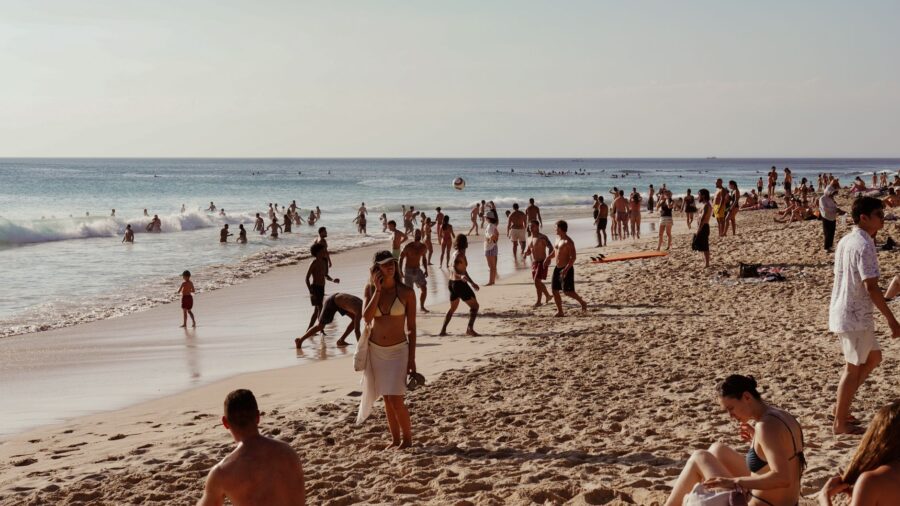
The Long Beach Peninsula runs along Washington’s southwest coast, where the Columbia River pushes into the Pacific Ocean. A big arch in town calls it the world’s longest beach, and while that claim does not quite hold up, 28 miles of open sand still stretches in front of you. Old lighthouses watch over shipwreck waters, kites fill the sky each August, and one roadside museum keeps a resident nobody can explain. That resident alone is worth the drive. Shutterstock
Walk the Longest Beach on a Peninsula
You can walk all 28 miles of beach here, and the peninsula earns its bragging rights honestly, even if that arch in town oversells it a little. The more accurate title is the world’s longest beach on a peninsula. The sand runs flat and wide the whole way, and hard packed sections allow driving, though other stretches close seasonally to protect clam beds. Beachcombers and kite flyers treat the whole shore like their own backyard, and a walk here can eat up an afternoon fast. Wikimedia Commons/Adbar
A Coast Named for Disappointment and Shipwrecks
History got here before the tourists did. British trader John Meares named Cape Disappointment in 1788 after he searched for the mouth of the Columbia River and came up empty. Lewis and Clark reached this stretch of coast in November 1805, near the end of their long push west. Sailors later gave the river mouth a darker name, Graveyard of the Pacific, after so many ships broke apart trying to cross it. Long Beach grew into one of Washington’s oldest resort towns. Wikimedia Commons/Dougtone
Two Lighthouses Guard the Southern Tip
Cape Disappointment State Park sits at the peninsula’s southern tip and covers more than 1,800 acres of cliff, forest, and driftwood. Trails wind past old military bunkers before opening onto rocky bluffs above the surf, and two working lighthouses guard the park from opposite ends. Cape Disappointment Lighthouse has stood since 1856, making it one of the oldest working lighthouses on the West Coast. North Head Lighthouse sits about two miles away with open ocean views. Wikimedia Commons/Steven Pavlov
See What Lewis and Clark First Saw
Inside the same park, the Lewis and Clark Interpretive Center sits on a high cliff and tells the story of the Corps of Discovery reaching this coast. Exhibits cover the expedition, along with local shipwrecks and the area’s military history. The center stands on the spot where members of the Corps of Discovery first laid eyes on the Pacific Ocean, after more than a year of overland travel. You get roughly the same view they got, minus the walk.
Wikimedia Commons/From Texas With Love
Bike Past a Whale Skeleton on the Discovery Trail
West of downtown Long Beach, a half mile wooden boardwalk winds through the dunes with ocean views the whole way. It connects to the longer Discovery Trail, an 8.5 mile paved route that follows ground Lewis and Clark once explored on foot. You will pass bronze statues along the way, including one of William Clark, and a reconstructed gray whale skeleton that stops most walkers in their tracks. One hillside section near Cape Disappointment climbs steeply enough to slow you down. Wikimedia Commons/Chris Light
Meet Jake the Alligator Man
Marsh’s Free Museum has pulled in curious visitors for close to a hundred years, and its biggest draw is not subtle about it. Jake the Alligator Man, a strange half man, half alligator figure, has held court inside since the Marsh family bought him in 1968 for $750. Nobody has confirmed where Jake actually came from, and the shop seems happy to leave it that way. Shelves around him hold seashells and old arcade games. Admission costs nothing. Wikimedia Commons/FelixRo
Snap a Photo at the World’s Largest Frying Pan
Somewhere along the peninsula stands a frying pan built in 1941, and it is exactly as strange as it sounds. Cooks made it to promote the town’s Razor Clam Festival, and at about 14 feet tall, including the handle, it once fried enormous clam fritters for hungry crowds. Other towns have since built bigger pans, so the title of world’s largest no longer belongs here, but nobody bothered to take it down. A giant spitting clam sculpture keeps it company nearby. Wikimedia Commons/Katrina
Fly a Kite at the World Kite Museum
Steady ocean wind rolls across this peninsula almost every day, which explains why the World Kite Museum feels right at home here. The museum opened as a permanent site in 1990 and moved into a bigger building in 2005 to hold more than 1,000 kites from around the world. One gallery displays kites used during World War II, while another fills its walls with colorful festival posters. Head to the beach after and try flying one yourself. Wikimedia Commons/Jason Taellious
Watch the Sky Fill Up in August
Every August, that same wind turns the sky over Long Beach into something close to chaos. The Washington State International Kite Festival began in 1981, and the 2026 event marks its 45th year, running during the third full week of the month. Organizers bill it as the largest kite festival in North America, and once you see the sky, you will believe it. Kites of every size fill the air, from small ones to giant inflatable shapes that dwarf the people flying them.
Read more from this brand:
San Juan Island’s west side has a lighthouse, old lime kilns, and orcas passing by daily
The strangest army base in Washington never saw a single battle
Cape Disappointment has the worst name in Washington and the most dramatic stretch of coastline
The post Shipwrecks, lighthouses, and an alligator man line Washington’s longest beach appeared first on When In Your State.
Flickr/Bernard DUPONT
Dig Your Own Razor Clams
Razor clam digging has stayed a local tradition here for well over a century, and you can take part on specific approved dates from fall through spring, including cold winter digs. If you are 16 or older, you will need a valid Washington fishing license, and legal gear comes down to your hands, an approved shovel, or a clam tube. Each digger keeps clams in a separate container. Most diggers end the day planning fresh clam chowder for dinner. Wikimedia Commons/Lumpytrout
Step Into Oysterville’s Gold Rush Past
On the calm, bay-facing side of the peninsula, Oysterville has stood since 1854, and its history runs deeper than most small towns manage. Native oysters shipped from here to San Francisco during the Gold Rush years made the town wealthy for a stretch. The Oysterville Historic District covers about 80 acres and earned a spot on the National Register of Historic Places in 1976. Old homes, a one-room schoolhouse, and a church from the 1800s still stand where they were built. Wikimedia Commons/Chris Light
Watch the Cranberry Bogs Turn Red
Cranberry growing here traces back to research that started in the 1920s, and the crop has shaped this side of the peninsula ever since. The Pacific Coast Cranberry Museum walks you through the fruit’s history alongside the farming tools growers once used. From there, you can take a self-guided walk around the working bogs and watch the vines flush deep red once fall arrives. October brings a cranberry celebration built around bog tours and treats. Shutterstock
Visit the Long Beach Peninsula Visitors Bureau in Washington
You can start your trip at the Long Beach Peninsula Visitors Bureau, at 3914 Pacific Way in Seaview, Washington, right at the intersection of Highway 101 and Highway 103. Staff hands out free local maps, coffee, and advice on which beach access points suit your day. The center opens Monday through Saturday from 9 a.m. to 6 p.m., and Sunday from 10 a.m. to 5 p.m., with no admission charge. Let them point you toward Long Beach, Seaview, Ilwaco, Ocean Park, or historic Oysterville. This article was created with AI assistance and human editing. Read more from this brand:
San Juan Island’s west side has a lighthouse, old lime kilns, and orcas passing by daily
The strangest army base in Washington never saw a single battle
Cape Disappointment has the worst name in Washington and the most dramatic stretch of coastline
The post Shipwrecks, lighthouses, and an alligator man line Washington’s longest beach appeared first on When In Your State.
Leave a Reply