This tiny New Jersey point watches two different bodies of water collide: As the story develops
Shutterstock
It’s at the state’s western tip
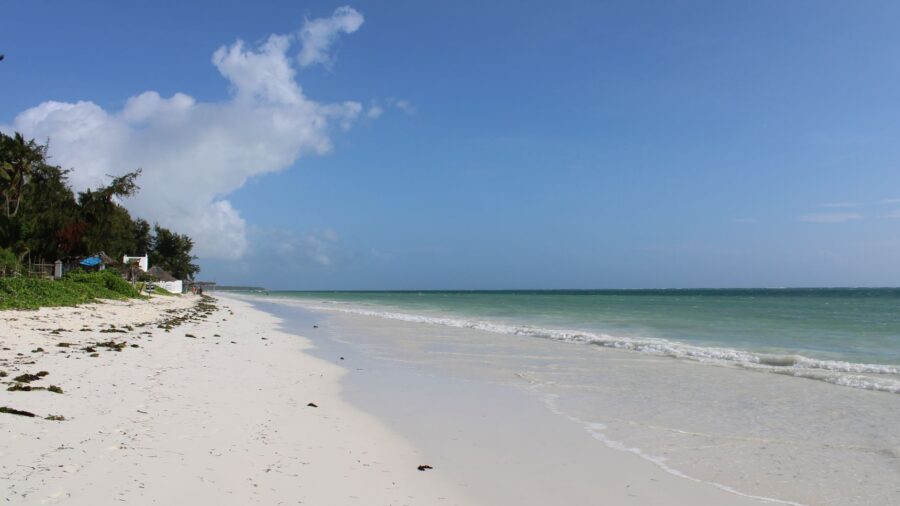
Sunset Beach sits at the far end of Cape May Point, where the New Jersey peninsula runs out of land and the Delaware Bay takes over. The shoreline faces west, which means you get something rare on the East Coast: a sunset that drops straight into open water. The beach is mostly small pebbles, not soft sand, and the crowds that pack the rest of the Jersey Shore don’t really show up here. The wide bay stretches out in front of you, and the Atlantic wraps around just past the point. But the pebbles under your feet are the real reason people come back. Shutterstock
Visitors have searched this shore since 1857
People have picked through these stones for well over a hundred years. An 1857 state survey noted that visitors already sought out the clear pebbles along this stretch. Long before that, the Kechemeche people, part of the Lenni-Lenape, are said to have prized the crystals found here. Local legend holds they believed the stones carried special powers and brought good fortune. The beach got its name the simple way: it faces west, and the sunsets rank among the best in the state. Families have returned generation after generation to comb the same pebbly shore. Shutterstock
Sift through pebbles for clear quartz stones
Cape May diamonds are pieces of clear quartz that wash up mixed in with the pebbles. They’re not real diamonds, but once you polish and cut one, it can fool you. You hunt for them by hand or with a small sifter, picking through the stones for the clearest pieces. They range from tiny grains to larger chunks, some with a faint tint of color. Low tide is your best bet, and the hours after a storm can turn up even more. For kids visiting the Jersey Cape, finding one has become a rite of passage. Shutterstock
A 200-mile river journey makes them smooth
The stones are pure quartz, hard enough to scratch glass, rating a 7 on the mineral hardness scale. One local legend says they tumble nearly 200 miles down the Delaware River over thousands of years, wearing smooth along the way. Some geologists see it differently, pointing to ancient gravel deposits closer to the coast as the likely source. Either way, the quartz turns up along beaches on both the Atlantic and bay sides of the region. Tides and currents keep working the stones loose and rolling them round. Many visitors take their finds to get professionally polished and set into jewelry. Wikimedia Commons/Rhododendrites
A concrete ship is breaking apart offshore
Just off the beach, a hull of weathered concrete rises out of the water. That’s the SS Atlantus, one of 12 concrete ships built near the end of World War I when steel was hard to come by. Concrete turned out to be too heavy and too slow to work, so the ship retired after only a few years.
Now it sits partly submerged a short distance from shore, cracked and crumbling as the bay slowly pulls it apart. It’s one of the most photographed things in Cape May. Wikimedia Commons/Luigi Novi
A ferry plan went wrong in a 1926 storm
The Atlantus landed here because of a plan that never panned out. In 1926, a businessman named Colonel Jesse Rosenfeld bought the retired ship with a bold idea: sink it near the shore and build a ferry dock around it, connecting Cape May to Delaware. Workers towed the hull to Cape May Point to wait while they prepared the dock. Then a storm broke it loose from its moorings and drove it aground about 150 feet out. Every attempt to free it failed. It has stayed in that same spot ever since. Wikimedia Commons/Smallbones
Climb a 1942 lookout tower on the coast
A short walk from the beach, Fire Control Tower No. 23 stands tall against the sky. The military built this concrete tower in 1942 as part of a coastal defense network. Observers at the top would spot enemy ships offshore and relay positions to nearby artillery batteries to aim their guns. Today it’s the last freestanding World War II tower of its kind left in New Jersey. You can climb the staircase to the sixth-floor spotting gallery, where the views stretch wide over the coast. Exhibits inside cover the region’s wartime role. Wikimedia Commons/Luigi Novi
Veterans’ casket flags fly at sunset each evening
On summer evenings, families gather on the beach for a flag-lowering ceremony that started in 1973. A World War II Navy veteran named Marvin Hume began the tradition, and it has continued for decades. Each flag flown is a casket flag, one that once draped the coffin of an American veteran, brought by that veteran’s family. As the flag comes down, “Taps” plays and the crowd hears the honoree’s story. Thousands of servicemen and women have been remembered here. Beachgoers stop, stand, and salute as the sun drops below the bay. Shutterstock
Spot bottlenose dolphins jumping just offshore
The waters off Cape May Point sit where the salty bay meets the open Atlantic, and that mix of currents draws life in close. Bottlenose dolphins show up regularly through the warmer months, from spring into fall. You can spot their fins breaking the surface right from the beach if you’re patient. They play and jump close enough to watch without binoculars. The blend of bay and ocean makes this one of the liveliest stretches of water along the coast.
presidents vacationed in this tiny New Jersey beach town and it shows
The phantom Nazi missiles that killed 126 American sailors
The post This tiny New Jersey point watches two different bodies of water collide appeared first on When In Your State.
Shutterstock
Hawks and whales follow the coastline here
Cape May Point is one of the top birdwatching spots in North America, and the reason is geography. The peninsula narrows to a point, funneling migratory birds down the coast every spring and fall. Hawks, songbirds, and shorebirds all concentrate here before crossing the bay. Whales also travel these waters at times. The mix of beach, dune, and open water creates a natural gathering place where you can see a dozen species in a single afternoon without moving from your chair. Wikimedia Commons/Luigi Novi
Hours of easy beachcombing on smooth stones
You won’t find powdery sand at Sunset Beach. Instead, the shoreline is a carpet of smooth, colorful pebbles that clatter under your feet. Many visitors bring a pail or a small sifter and spend hours sorting through the stones for keepers. It’s not a swimming beach or a long-walk beach. It’s a sit-down-and-search kind of place. Children and adults get pulled into the same quiet hunt for the perfect clear stone. That slow, unhurried rhythm is exactly what brings families back year after year. Wikimedia Commons/Luigi Novi
The gift shops have been here for fifty years
If you want to see what a polished Cape May diamond actually looks like, the family-run Sunset Beach Gift Shops have you covered. They’ve anchored this beach for more than 50 years. The staff can show first-timers the difference between a regular pebble and a real find, and they sell the finished stones set into rings, necklaces, and other keepsakes. Picking up a polished piece is a popular way to carry a little of this shoreline home with you. The shops have become part of the tradition here. Wikimedia Commons/WhisperToMe
Visit Sunset Beach in Cape May Point, New Jersey
You can reach Sunset Beach at the end of Sunset Boulevard in Cape May Point, N.J. The beach is free, with public parking, gift shops, and a snack stand on site. The flag ceremony runs on select evenings from late May through early September, so check the current schedule before you go. Cape May Point State Park, right next door, is free to enter and keeps daily gate hours. The WWII lookout tower and nearby Cape May Lighthouse, run by Cape May MAC, charge admission and open on a seasonal schedule. This article was created with AI assistance and human editing. Read more from this brand:
New Jersey’s oldest beach town turns 50 as a National Historic Landmark
Five U.S. presidents vacationed in this tiny New Jersey beach town and it shows
The phantom Nazi missiles that killed 126 American sailors
The post This tiny New Jersey point watches two different bodies of water collide appeared first on When In Your State.
Leave a Reply