Where 10,000 Elephant Seals Rule a California Beach Just 55 Miles from San Francisco: Here’s what to know
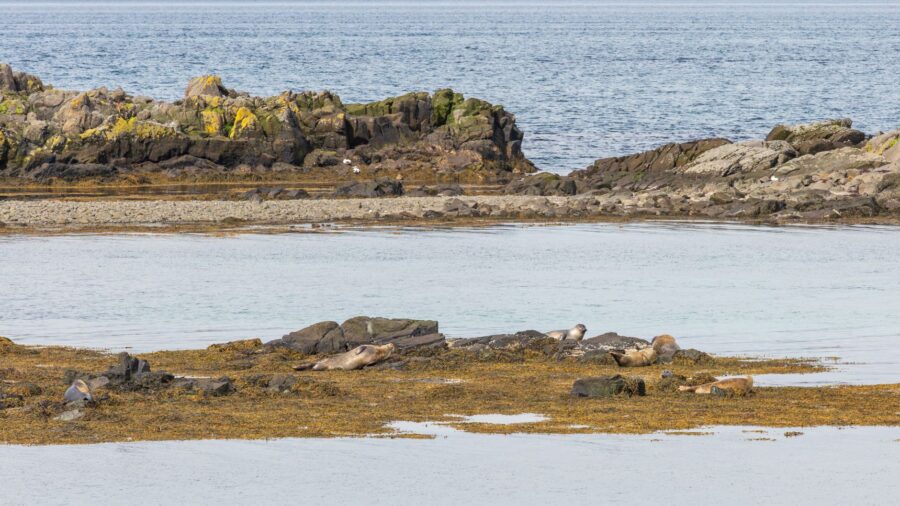
A rocky finger of land juts into the Pacific near the small coastal town of Pescadero, roughly 55 miles south of San Francisco. This is Año Nuevo State Park, a sprawling 4,000-plus-acre preserve of beaches, dunes, prairie, and marsh where as many as 10,000 northern elephant seals haul ashore each year. Before the seals made it famous, the Quiroste — an Ohlone people — inhabited this coastline for thousands of years, operating a regional trade network built around Monterey chert stone and olivella shell beads used as currency. Spanish explorer Sebastián Vizcaíno passed by on January 3, 1603, naming the point in honor of New Year’s Day. The Portolá expedition followed in 1769, and by the mid-1800s the Steele family had converted the land into a dairy ranch that operated for roughly eight decades. Their barns remain standing today inside what is now the park’s Marine Education Center, a restored 1800s structure whose interior timbers were salvaged from an old wharf.
The elephant seals themselves are the main draw, and they are difficult to overstate. Adult bulls can reach 16 feet in length and weigh up to 2.5 tons, their distinctive trunk-like drooping noses setting them apart immediately. Newborn pups enter the world at around 75 pounds and, after fewer than 30 days of nursing, can weigh anywhere from 250 to 350 pounds before their mothers return to the ocean. During mating season, bulls slam their chests together and let out bellowing calls audible from considerable distances, leaving visible scars from repeated clashes. Beyond the seals, the park supports an impressive range of wildlife. Red-tailed hawks and American kestrels patrol the open prairie, while brown pelicans glide low over the surf and black-bellied plovers work the waterline. Bobcats, coyotes, deer, and foxes move through the dunes, gray whales pass close enough to spot from the bluffs during migration, and the brilliantly patterned San Francisco garter snake — among the most visually striking serpents in the country — lives within the park boundaries, though few visitors ever encounter one. Just offshore, Año Nuevo Island holds the weathered remains of a fog signal station built in 1872 and a light tower added later, now largely claimed by cormorants and sea lions. The geology underfoot is equally layered: the point is a marine terrace bisected by the Frijoles fault, and thousands of small earthquakes over time have slowly pushed the land upward, leaving older terraces stacked visibly above younger ones.
The elephant seal’s comeback ranks among the more remarkable recoveries in American wildlife history. Relentless hunting for blubber oil in the 1800s reduced the entire species to somewhere between 50 and 100 animals concentrated on a single island off Baja California by 1892. Mexico extended protections in 1922, the United States followed, and the first pup at nearby Año Nuevo Island was born in 1961. The Pacific population today is estimated at 200,000 or more — every animal a descendant of that last surviving group.
Año Nuevo State Park is located off Highway 1 at 1 New Years Creek Road in Pescadero, approximately 20 miles north of Santa Cruz and about 90 minutes south of San Francisco. The park is day-use only, open from 8:30 a.m. to sunset, with parking fees of around $10 per vehicle. Between December 15 and March 31, visitors must book a guided walk through ReserveCalifornia to view the seals; the round trip covers three to four miles. From April through November, self-guided access is available with a free permit obtained by 3:30 p.m. Layers and sturdy footwear are recommended. Visitors should check the California State Parks website for current conditions before heading out, as access has been affected by closures in recent seasons.
Leave a Reply