You can explore 400 years of shipbuilding history and hit the beach in one Maine afternoon: Authorities confirm
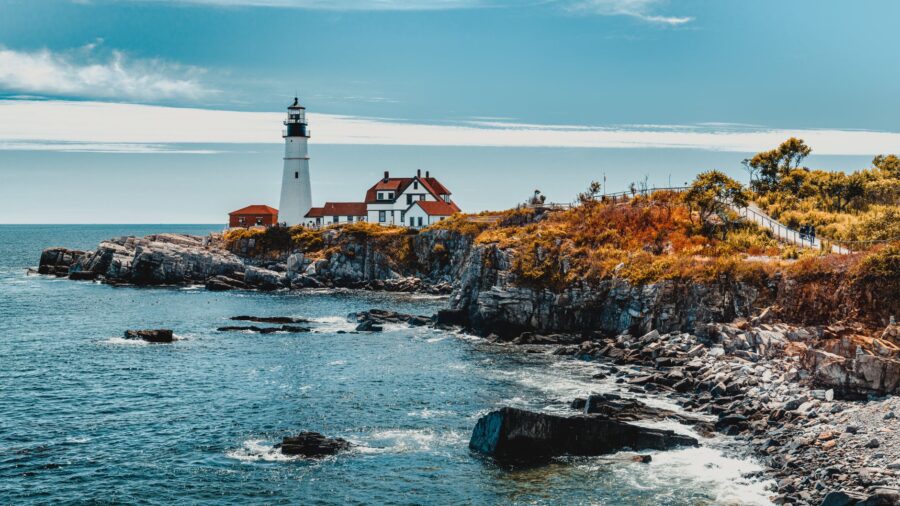
Shutterstock
Bath’s still built on ships
Bath sits on the west bank of the Kennebec River in midcoast Maine, and the whole city runs on a history that goes back more than 400 years. They call it “The City of Ships” for good reason. You can walk the brick downtown in an afternoon, stand next to the outline of the biggest wooden sailing vessel ever built in America, and still make it to a sandy beach before the tide goes out. The story here starts at the river and fans out from there. Wikimedia Commons/Quintin Soloviev
Deep water and thick forests built an empire
The Kennebec gave Bath two things shipbuilders needed: deep water and access to dense forests. By the 1800s, the city ranked among the busiest seaports in the country. Sea captains and shipbuilders put their money into grand homes that still line the streets. You can see that wealth in the architecture, block after block. More than four centuries of shipbuilding shaped this place, and you feel it the moment you walk through the downtown. The river made the city, and the city never forgot. Shutterstock
Front Street won a national Main Street award
Front Street runs through the center of Bath, and it looks the part. Preserved 19th-century brick buildings line both sides, filled with locally owned shops, cafes, galleries, and restaurants. Brick sidewalks, old-style lampposts, and a street clock give you the feeling of stepping back a century or two. The street won the Great American Main Street Award, and when you see it, the honor makes sense. You can spend a whole morning here without covering more than a few blocks. Wikimedia Commons/Tommyboymee
Federal, Greek Revival, and Italianate buildings fill the blocks
Downtown Bath sits inside a large historic district on the National Register. You’ll walk past Federal, Greek Revival, Italianate, and Victorian buildings within a few blocks of each other. The stone Custom House and Post Office dates to the 1850s and still anchors one end of the streetscape. The Patten Free Library holds down another corner. Careful preservation kept the 19th-century character intact, so the downtown feels like a place that never had to reinvent itself. Wikimedia Commons/Ted Kerwin
A 20-acre riverfront museum holds the last historic shipyard
The Maine Maritime Museum spreads across 20 acres along the river just south of downtown. It sits on the only intact historic shipyard left in the country, the old Percy & Small Shipyard, and the original buildings still stand on the grounds. Inside, galleries hold artifacts, art, and hands-on exhibits that trace centuries of life on the water.
The museum stays open year-round, and it ranks among the top maritime museums in the country. Wikimedia Commons/Mainemaritimemuseum
Flagpoles mark where the largest wooden ship launched
Out on the museum lawn, you’ll find a full-size sculpture marking the outline of the schooner Wyoming. Tall flagpoles stand in place of the ship’s six masts. The original Wyoming launched from this very spot in 1909, and it held the record for the largest wooden sailing vessel ever built in America. Walk the length of it. You’ll pace off the distance and realize just how massive a wooden ship could get when builders had enough timber and nerve. Wikimedia Commons/Jacklee
A blacksmith shop and a lobstering exhibit fill the old shipyard
You can walk through the preserved Percy & Small Shipyard and see how these ships came together. A blacksmith shop shows traditional metalworking the way it looked when yards here turned out schooners. Nearby, an exhibit digs into Maine’s famous lobstering trade. The Victorian-era Donnell House shows how a shipyard family lived when the business was booming. Guides and docents work the grounds and share stories that don’t make it into the displays. Wikimedia Commons/Paul VanDerWerf
A 1607 ship replica floats on the Kennebec
Down on the waterfront sits the Virginia, a reconstruction of a ship the Popham Colony built near the mouth of the Kennebec in 1607. That original vessel counts as the first ocean-going English ship built in the Americas. Volunteers spent years putting the replica together, and they launched it in 2022. You can board it and get a feel for how small these ships really were. A visitor center in the old Bath Freight Shed nearby fills in the rest of the story. Shutterstock
Adirondack chairs face the river at Waterfront Park
Waterfront Park lines the bank of the Kennebec, and it gives you one of the best spots in town to just sit. Benches and Adirondack chairs face the river and the bridge beyond it. Walking paths wind along the water, and a bandstand hosts concerts and gatherings through the warmer months. On Saturday mornings during the outdoor season, the Bath Farmers’ Market sets up here. You can grab coffee, pick up local produce, and watch the river move. Wikimedia Commons/Dougtone
An 1847 Gothic church now runs a full arts calendar
The Chocolate Church Arts Center sits on Washington Street inside a Gothic Revival building from 1847. The former church switched over to an arts center in 1977, and it has been running a full schedule ever since.
Read more from this brand:
Maine’s most photographed lighthouse sits on 90 free oceanfront acres above Portland Harbor
The Bold Coast of Maine has dark cliffs, blueberry barrens, and no one asking for a fee
This donated island off the Maine coast became the East’s first national park
The post You can explore 400 years of shipbuilding history and hit the beach in one Maine afternoon appeared first on When In Your State.
You can catch live music, theater, comedy, and gallery shows in the main theater or a smaller annex. The building alone is worth a look from the outside, but the real draw is whatever happens to be on stage that week. Wikimedia Commons/Paul VanDerWerf
Sandbars lead to offshore islands at low tide
Popham Beach State Park sits about 14 miles south in Phippsburg, and it draws crowds for good reason. Wide sands stretch out far enough for long walks, swimming, and beachcombing. At low tide, sandbars reach toward small offshore islands, and you can walk out to explore them before the water comes back. Lifeguards patrol in summer, but the surf can run strong. This is one of Maine’s most popular sandy beaches, so arrive early on hot days. Wikimedia Commons/Paul VanDerWerf
A granite Civil War fort that never got finished
Near the beach stands Fort Popham, a granite coastal fort where construction started in 1862 during the Civil War. The semi-circular structure was never fully completed, but you can still explore its stone archways and thick walls. The fort sits right at the mouth of the Kennebec, and the views from here stretch across the water. Nearby Fort Baldwin adds another layer of military history and more ocean views. Both are free to walk through. Wikimedia Commons/Quintin Soloviev
Explore Bath’s Historic Downtown and Waterfront in Maine
You can start your visit right on Front Street in downtown Bath, where shops, cafes, and 19th-century brick buildings line both sides. From there, walk south to the Maine Maritime Museum at 243 Washington St., open daily from 9:30 a.m. to 5 p.m. The museum, the shipyard, and the Virginia replica all sit on the same campus. Waterfront Park and the Chocolate Church Arts Center are a short walk from downtown. Popham Beach State Park is about 14 miles south. Check the official website for current admission prices before you go. This article was created with AI assistance and human editing. Read more from this brand:
Maine’s most photographed lighthouse sits on 90 free oceanfront acres above Portland Harbor
The Bold Coast of Maine has dark cliffs, blueberry barrens, and no one asking for a fee
This donated island off the Maine coast became the East’s first national park
The post You can explore 400 years of shipbuilding history and hit the beach in one Maine afternoon appeared first on When In Your State.
Leave a Reply