Dubois, Wyoming: The Underrated Mountain Town Worth Knowing How to Pronounce: Officials say
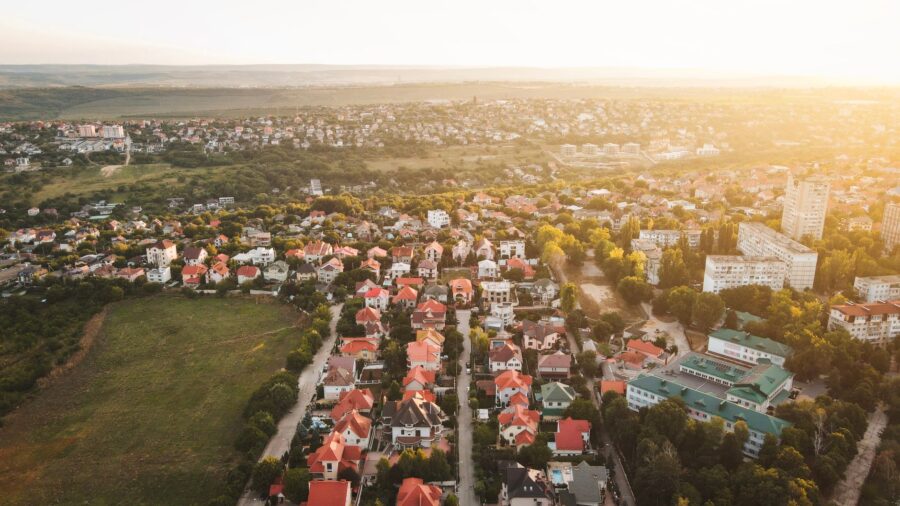
Tucked into a broad valley roughly 50 miles east of Grand Teton National Park and about 90 minutes from Yellowstone’s southern gate, Dubois, Wyoming sits where the Absaroka and Wind River ranges flank the landscape on either side. Old-fashioned storefronts face wooden boardwalks along the main street, giving the town a distinctly frontier feel. One thing visitors learn quickly: the name is pronounced “DEW-boyz,” not the French way — and getting that right goes a long way with the locals. The town quietly draws travelers seeking mountain scenery without the crowds, and most are caught off guard by how much it delivers.
The valley’s human history stretches back to the Mountain Shoshone, called the Sheepeaters, who left behind stone hunting traps, tepee rings, and rock carvings that remain visible in the area. Explorers and trappers moved through the Wind River Valley in the early 1800s, and by 1914, a logging industry had taken hold. Workers handcut railroad ties from the surrounding forests during what is still remembered locally as the tie hack era, many of them Scandinavian immigrants. A lumber mill operated for decades at the heart of town before shutting down in 1988, pushing Dubois to rebuild its identity around the natural landscape that had always surrounded it. That landscape includes the Dubois Badlands, a Wilderness Study Area of roughly 4,520 acres beginning at the town’s edge, where centuries of erosion have shaped red, tan, pink, and gray rock into spires reaching about 400 feet in the Mason Draw area. Trails are largely unmarked, and shade is scarce, so visitors are advised to carry extra water and download a route before setting out. The greater short-horned lizard — Wyoming’s state reptile — darts across the rocky ridges, while elk, pronghorn, black bear, and both bald and golden eagles also frequent the terrain. A few miles from town, the Torrey Lake Petroglyph District preserves around 175 ancient carvings listed on the National Register of Historic Places since 1993, depicting human-like figures alongside animals in the regional Dinwoody style. Because the surrounding land is largely private and the carvings are fragile, guided treks through the Dubois Museum are the recommended way to visit. The museum, formally called the Wind River Historical Center and located on the west end of Main Street, covers the valley’s geology, wildlife, Indigenous history, and logging heritage, and also coordinates petroglyph tour bookings. About eight miles southeast of town, the National Museum of Military Vehicles opened in fall 2020 after founder Dan Starks purchased a single World War II tank to drive in the local Fourth of July parade — a purchase that eventually grew into what is described as the largest private collection of U.S. military vehicles on public display, spanning multiple conflicts and pairing machines with the personal stories of those who operated them. West of town, a 14-foot limestone carving erected in 1946 by the Wyoming Tie and Timber Company stands above the Wind River on a bluff along Highway 26/287, depicting a broad-ax-wielding logger with others working behind him, honoring the tie hack workers of the region. Continuing west, the drive over Togwotee Pass moves past volcanic cliffs and the prominent Pinnacle Buttes, with Brooks Lake resting quietly below the Absaroka skyline and the upper Wind River offering clear-water fishing that anglers often have largely to themselves.
“Get that right and you’re already halfway to fitting in,” locals say of the town’s pronunciation — a small test that signals something larger about Dubois: it rewards the traveler who pays attention.
From late fall through March, several hundred Rocky Mountain bighorn sheep descend to Whiskey Basin just outside town in one of the continent’s most noted winter concentrations of the species, though a disease outbreak in the early 1990s significantly reduced a herd once considered the largest wintering group in North America. During the rut, rams collide at full speed, their curved horns — which can weigh around 30 pounds on a mature animal — producing an impact audible across the valley floor. Elk, mule deer, and pronghorn share the same winter range. The National Bighorn Sheep Center on Bighorn Lane, open since 1993, prepares visitors with life-size dioramas, mounted specimens, and films covering all four wild sheep species of North America, and runs guided van tours to the winter range from November through March. Staff maintain a current sightings log for those heading out independently. Visitors should reach Dubois via U.S. Highway 26/287 heading east from Grand Teton. Winter sheep tours and petroglyph treks both require advance reservations, and the military vehicle museum is open year-round.
Leave a Reply