Great Smoky Mountains hides its tallest waterfall at the end of a brutal four: What we know so far
Shutterstock
It’s worth every steep step
Ramsey Cascades drops 105 feet down a wall of boulders in Great Smoky Mountains National Park, and getting there takes work. The trail runs four miles one way through some of the oldest forest left in the eastern United States, crossing log bridges over mountain streams and climbing more than 2,000 feet before the trees open up and the water appears. You earn this one. The hike is tough, the trailhead is small, and the crowd thins out the farther you go. What waits at the end makes all of it worth the effort. Shutterstock
Water tumbles 105 feet over stacked boulders
The falls pour down in tiers over massive rocks draped in green. At the base, the water gathers in a small, clear pool where hikers drop their packs and sit. On days when the water runs high, mist rolls off the stone and reaches you before you even get close. The whole scene sits in the Greenbrier area on the park’s northeastern side, tucked into a quiet corner most visitors never reach. Photographers line up at the base to frame the cascade against wet rock and thick vegetation. Shutterstock
These woods survived the logging boom
Most of the Smokies fell to logging crews in the early 1900s. Timber companies cut deep into these mountains, and the damage they left behind helped push the movement to create the national park. But this stretch of forest along the upper trail somehow escaped the saw. What you walk through today is old-growth Appalachian forest, the kind that once covered the entire eastern seaboard. Only a tiny fraction of it still stands anywhere in the East, and this is some of the best of what remains. Wikimedia Commons/Northern-Virginia-Photographer
Tulip trees nearly 150 feet tall line the trail
The last two miles of the hike pass through towering tulip trees, hemlocks, silverbells, yellow birches, and basswoods. Some of these trees stand close to 150 feet tall and measure nearly seven feet across. According to the Eastern Native Trees Society, this trail holds some record-size specimens, including the tallest black cherry in the park at 146 feet. Near the 2.6-mile mark, two enormous tulip trees grow side by side, and most hikers stop just to stand next to them and look up. Shutterstock
The trail starts flat, then gets serious fast
You begin on a wide old roadbed that feels almost easy. Give it time.
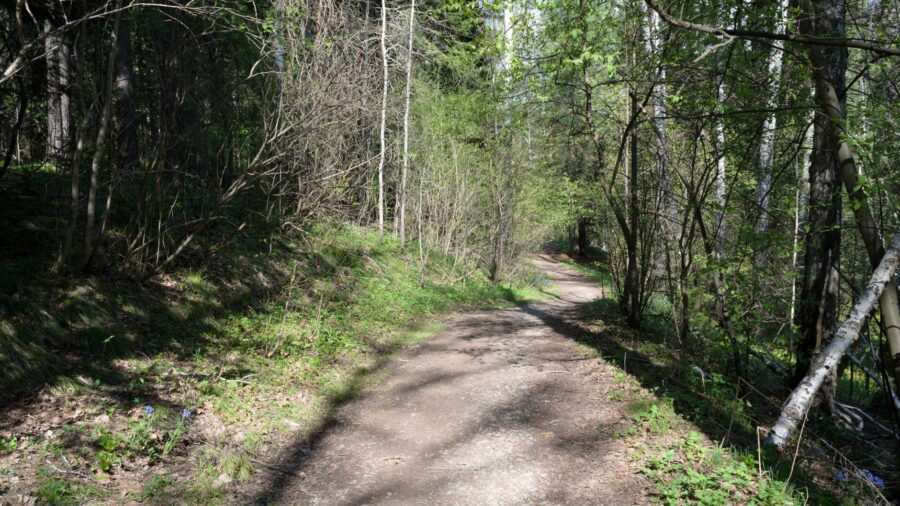
The path narrows, turns rocky, and follows the Ramsey Prong of the Little Pigeon River uphill for most of the route. Log bridges carry you over rushing water at several crossings. By the last third of a mile, you’re climbing over roots and loose rock on a steep grade that tests your legs. The full trail gains more than 2,000 feet, and you feel most of it in the final push. Wikimedia Commons
Tiny salamanders hide on the wet rocks
At the base of the falls, the rocks stay slick and damp year-round, and if you look closely, you’ll spot small salamanders pressed against the stone. Their coloring blends so well with the rock that most people walk right past them. The Smokies hold more species of salamanders than almost anywhere else on the continent, and this wet pocket of forest is exactly the kind of place they thrive. Sit still near the water’s edge for a few minutes and you’ll start to see them. Shutterstock
Running water follows you the entire hike
You never get far from the sound of a stream on this trail. Fast, clear mountain water runs alongside the path for most of the four miles, keeping the air cool even when summer heat builds in the valleys below. Small unnamed cascades show up along the climb, and one hides just off the trail near the top. The constant rush of water sets the rhythm for the whole hike, and by the time you reach the main falls, your ears have already been tuned to it. Shutterstock
Spring wildflowers carpet the lower trail
If you hike in April or May, the lower section of the trail comes alive with wildflowers. The Greenbrier area is known for its blooms, and the rich, damp soil of the cove forest feeds a wide variety of plants that push up through the leaf litter each spring. By summer, thick green foliage fills in and the forest canopy closes overhead. But catch it in spring and the color runs right along the trail at your feet, a different kind of show than the waterfall waiting above. Shutterstock
Fall turns the hardwoods gold and red
Autumn puts on a second act along this trail. The tulip trees, birches, and maples shift from green to gold and red, and the crisp mountain air makes every mile feel sharper. Pair that color with the sound of rushing water and you understand why fall weekends pack the trailhead. The mix of bright leaves overhead and white water cutting through dark rock gives photographers more to work with than they can shoot in a single trip. Shutterstock
Black bears roam this part of the park
Black bears live throughout the Greenbrier area, and hikers sometimes spot them moving through the trees along the trail.
Read more from this brand:
This five-mile Tennessee loop has pioneer cabins, black bears, and zero crowds
Skip downtown Gatlinburg for this one-way climb through 3,000 feet of Tennessee wilderness
Tennessee’s highest peak just got its real name back after 165 years
The post Great Smoky Mountains hides its tallest waterfall at the end of a brutal four-mile hike appeared first on When In Your State.
Birds and small animals work the thick understory, and the old-growth canopy gives shelter to a range of wildlife you won’t find in younger forest. Stay alert on the way up, especially in the early morning. If you do see a bear, keep your distance. The park asks you to stay at least 50 yards away, and that space protects both you and the animal. Shutterstock
Do not climb the rocks at the falls
The boulders around Ramsey Cascades stay wet and slick with mud, and the park prohibits climbing on or above the waterfall. People have been hurt here. The best views come from the base, where you can take in the full 105-foot drop without putting yourself at risk. One more thing to watch for in summer: hornet nests sometimes hang near eye level along the trail. Keep your eyes up on the way in, and give any nest you spot a wide berth. Shutterstock
The Trails Forever crew rebuilt the path
Giant trees, rushing streams, and a 105-foot waterfall set this hike apart from anything else in the Smokies. The park’s Trails Forever program rebuilt and improved the trail to handle the foot traffic it draws. Still, the small trailhead fills fast on weekends, and a shuttle can save you the headache of circling for a spot. The climb is real, but prepared hikers who take their time come back calling this one of the best hikes in the park. Shutterstock
Hit the trail at Ramsey Cascades in Tennessee
You can reach the Ramsey Cascades Trailhead from Gatlinburg by taking US-321 east about six miles to the Greenbrier entrance, then following the signs roughly 4.7 miles down gravel roads. The trail runs eight miles round trip with more than 2,000 feet of elevation gain, so give yourself five to seven hours. A parking tag is required for stops longer than 15 minutes. Bring plenty of water, sturdy shoes, and rain gear. No pets allowed. The nearest restroom is at Greenbrier Picnic Area. This article was created with AI assistance and human editing. Read more from this brand:
This five-mile Tennessee loop has pioneer cabins, black bears, and zero crowds
Skip downtown Gatlinburg for this one-way climb through 3,000 feet of Tennessee wilderness
Tennessee’s highest peak just got its real name back after 165 years
The post Great Smoky Mountains hides its tallest waterfall at the end of a brutal four-mile hike appeared first on When In Your State.
Leave a Reply