Hemphill, Texas guards 160,000 acres of pine woods nobody talks about: Here’s what to know
Shutterstock
Sabine National Forest’s wild side
Sabine National Forest sits where Texas runs out of land and Louisiana begins, and most people drive right past it. About 160,000 acres of pine and hardwood spread along the border near the small town of Hemphill, wrapping the western shore of the largest man-made lake in the South. Old-growth wilderness, rare orchids, nesting woodpeckers, and 1,200 miles of shoreline all sit inside this quiet stretch of East Texas. The deeper you go, the more it gives you. Shutterstock
How logged-out land became a national forest
By the late 1800s, timber companies had cut East Texas nearly bare. The land was exhausted. Texas approved national forest restoration in the 1930s, and President Franklin D. Roosevelt made it official in October 1936. By then, Civilian Conservation Corps crews had already been camping here for three years, planting thousands of pines by hand across the stripped ground. Those young men in work camps built the foundation of what you walk through today. The trees around you are their work. Shutterstock
Toledo Bend: the largest man-made lake in the South
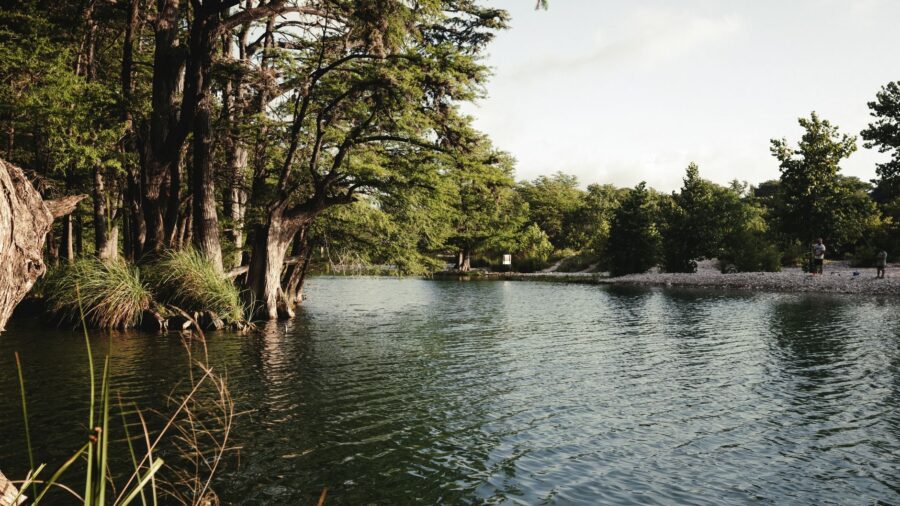
The lake on Sabine’s eastern edge is enormous. Toledo Bend covers about 185,000 acres and ranks fifth in the country by surface area. The Sabine River Authority calls it the largest man-made lake in the South, and once you’re out on it, the scale makes sense. More than 1,200 miles of shoreline bend around coves and inlets that go on and on. The lake straddles Texas and Louisiana, so you can paddle across a state line without leaving the water. Flickr/sonnia hill
Beech groves that look nothing like Texas
Deep in Sabine, the forest shifts. You walk out of the pines and into stands of American beech, and the light changes. The canopy closes, the ground cools, and for a stretch you could easily be hiking the southern Appalachians. These are some of the most significant beech stands in any national forest, and they are a genuine surprise. Loblolly, longleaf, and shortleaf pine hold the drier ground. White oak, southern red oak, sweetgum, and Florida maple fill in around them. Flickr/sonnia hill
Walk 28 miles through pine, hardwood and stream crossings
The Trail Between the Lakes is Sabine’s signature route. It covers about 28 miles through rolling country, running from the Lakeview area near Toledo Bend toward US 96 near Sam Rayburn Reservoir. Aluminum triangle markers keep you on course.
The path threads through pine stands, hardwood drainages, and small streams, and where it crosses roads, you can turn around and cut the hike to whatever length fits your day. You don’t have to commit to the whole thing to get a feel for it. Flickr/US Forest Service – Southern Region
Indian Mounds Wilderness: old growth in the deep woods
Set aside in 1984, Indian Mounds Wilderness covers about 12,369 acres near a cove of Toledo Bend. It shelters a small pocket of old-growth trees, and the land drains through Indian Creek, Bull Creek, and Hurricane Bayou. The name can mislead. The mounds are natural hills that early visitors once mistook for man-made earthworks. No human construction here, just terrain. It’s the second largest wilderness in Texas’s national forests, and the U.S. Forest Service manages it to stay that way. Shutterstock
Red-cockaded woodpeckers nest in the oldest pines
The red-cockaded woodpecker is a threatened species, and Sabine is one of its homes. The bird needs old, living pine trees to carve out its nesting cavities, which means its presence tells you something important: the forest’s oldest stands are intact. Bald eagles show up too, soaring over the reservoir during the cooler months. Below the canopy, beavers and otters work the streams and wetlands while songbirds fill the understory. The wildlife here tracks the health of the land almost exactly. Wikimedia Commons/Rob Routledge
Rare orchids grow on the shaded wilderness slopes
Orchids in East Texas are not what most people expect. Hike into the Indian Mounds Wilderness and you might cross paths with coralroot orchids or green adder’s-mouth. The southern twayblade and whorled pogonia also grow here, both uncommon enough that most hikers never see them. Come in spring and ferns push up across the forest floor alongside dozens of native wildflowers. The shaded ground holds a quiet diversity of plants that would take you years to fully know. Shutterstock
Cast for bass and paddle the flooded timber coves
Out on Toledo Bend, anglers target bass in the timber. When the reservoir filled decades ago, the trees went under but stayed in place, and all that submerged wood became fish habitat. Bass, crappie, and catfish all work those drowned branches and stumps. Several boat ramps along the Texas shore make getting on the water easy. Paddlers can point toward the quieter coves where the water calms down and birdlife lines the banks. Kayak or canoe, the shoreline holds plenty to see from water level.
Read more from this brand:
The strangest landscape in Texas is a swamp near a town called Karnack
Goose Island, Texas: 321 acres, two bays, and a tree that predates America
America’s best campgrounds are all in Texas, and it’s not even close
The post Hemphill, Texas guards 160,000 acres of pine woods nobody talks about appeared first on When In Your State.
Shutterstock
Bluff camping above the water at Ragtown
Ragtown sits on the northern part of the forest, and its campground perches on a bluff above Toledo Bend. That elevation gives you a view across the lake that most of the forest doesn’t. The light shifts over the water in the evenings and the mornings have their own quality up there. A one-mile nature trail loops through the surrounding woods if you want to stretch your legs without committing to anything long. It’s a good base, and the view from camp is the reward for getting there. Shutterstock
Swim in a CCC-built lake from 1940
Red Hills Lake is small and calm, and the Civilian Conservation Corps finished building it in 1940. No motorized boats means the water stays quiet, and on a warm afternoon it becomes a popular spot to cool off when Toledo Bend feels too big and too busy. Nearby Boles Field, another CCC project, holds a fox-hound cemetery dating to the early 1900s. It’s a small thing, easy to walk past, but it puts names and dates to the people who used this land long before it became a national forest. Shutterstock
The forest changes every month you visit it
Spring covers the ground in wildflowers, ferns, and blooming dogwood. Summer pushes the canopy thick and green, and the shaded trails get genuinely cool beneath it. Fall turns the hardwoods in ways East Texas doesn’t always get credit for, and the color can catch you off guard. Winter brings calmer crowds, colder mornings, and the best fishing window on the reservoir. The Beech Ravines area holds its rare plants and shaded canyons in every season. There’s no bad time to come, only different things to find. Flickr/US Forest Service – Southern Region
Visit Sabine National Forest in East Texas
You can reach Sabine National Forest near Hemphill in East Texas, along the Louisiana border. The U.S. Forest Service ranger district office in Hemphill is your best first stop for current conditions. Five campgrounds serve different parts of the forest: Indian Mounds, Lakeview, Ragtown, Red Hills Lake, and Willow Oak. Day-use and camping fees apply and vary by location. Many sites are primitive with no water or electric hookups, so bring what you need. Inside Indian Mounds Wilderness, dead standing timber from past pine-beetle activity can drop without warning, so keep your eyes up on windy days. Check trail and water access with the ranger office before you head out. This article was created with AI assistance and human editing. Read more from this brand:
The strangest landscape in Texas is a swamp near a town called Karnack
Goose Island, Texas: 321 acres, two bays, and a tree that predates America
America’s best campgrounds are all in Texas, and it’s not even close
The post Hemphill, Texas guards 160,000 acres of pine woods nobody talks about appeared first on When In Your State.
Leave a Reply