Katmai National Park has more bears than roads, and that’s the whole point: Here’s the latest
Shutterstock
You’ll fly in or you won’t get there
Katmai National Park sits in southwestern Alaska, and no road goes anywhere near it. You fly into the small town of King Salmon first, then catch a floatplane or boat to Brooks Camp on the shore of Naknek Lake. The park covers more than four million acres of lakes, rivers, forest and coast. Brooks Camp is the main hub, with a visitor center, trails, a campground and an elevated boardwalk over the river. Everything here starts with a plane or a boat. Shutterstock
The 1912 eruption buried a valley in ash
In June 1912, the Novarupta volcano blew in what the USGS calls the largest eruption of the 20th century. Ash buried a nearby river valley hundreds of feet deep. For years after, thousands of steam vents called fumaroles hissed up through the ground. Explorer Robert Griggs hiked into the valley in 1916 and gave it its name: the Valley of Ten Thousand Smokes. The eruption drew so much attention that the area became a national monument in 1918, and it later grew into the park. Shutterstock
More brown bears than people on this peninsula
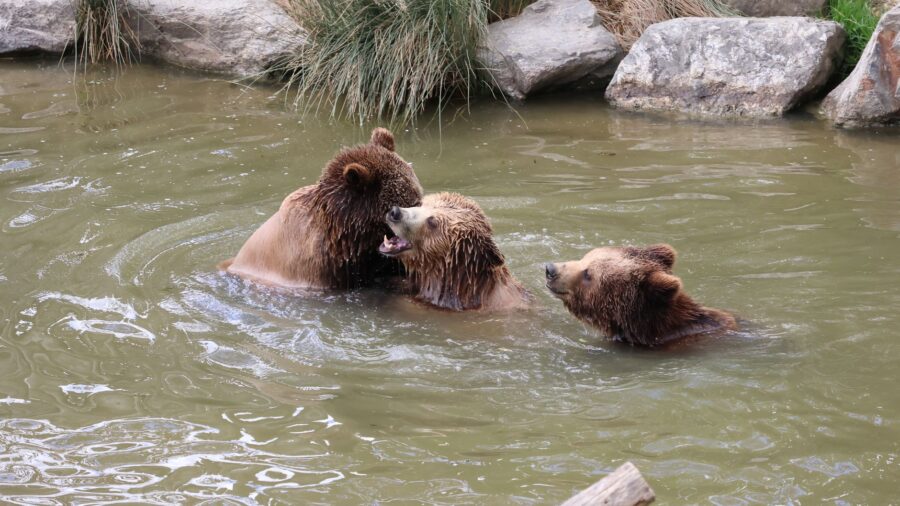
The National Park Service puts the bear count at about 2,200 inside Katmai alone. Across the whole Alaska Peninsula, bears outnumber people. They gather along the Brooks River when the salmon start running, and you can spot them along trails and even near camp the moment you step off your floatplane. Wolves, moose and beavers share the park too, and summer is when they all show up. Shutterstock
Bears with open jaws wait at the falls
Brooks Falls is a short waterfall on the Brooks River, and brown bears line up at the top of it to fish. They stand in the rushing water with their jaws wide open while sockeye salmon leap upstream right at them. During peak season, a dozen or more bears pack the same stretch at once. The National Park Service calls it one of the premier bear-viewing spots in the world. Every visitor watches a bear-safety orientation before heading out. Shutterstock
Four platforms put you feet from the action
Elevated wildlife-viewing platforms line the Brooks River so you can watch bears fish from close range. The Falls Platform sits right beside Brooks Falls for the tightest views. About 100 yards downstream, the Riffles Platform gives you a wider angle.
The North and South Platforms overlook the lower river near the lake, and mothers with cubs tend to hang around that stretch. Raised walkways with ramps connect all four and keep people and bears on separate paths. Shutterstock
Bears use the same trail you do
The Brooks Falls Trail runs about 1.2 miles from the visitor center to the platforms. It winds through boreal forest along the Brooks River, with river views and birdsong the whole way. Parts of the trail and the platforms are built to be accessible. But bears walk this same path, and if one comes down the trail toward you, you step aside and let it pass. That is the deal you make when you visit their home. Shutterstock
Bristol Bay salmon feed the whole system
The Brooks River flows into the Bristol Bay watershed, home to some of the healthiest sockeye salmon runs left on the planet. Red salmon start migrating in late June and begin spawning by August. The fish draw the bears. The bears draw the visitors. Every bear you see at the falls is bulking up on rich, oily salmon to survive months of winter hibernation. The water, the fish, the bears and the land all run on the same cycle. Shutterstock
Fat Bear Week draws a million votes worldwide
A park ranger named Mike Fitz started it in 2014 as a single-day event called Fat Bear Tuesday. Now Fat Bear Week is a global online contest where the public votes on matchups by comparing early-summer and late-summer photos of each bear. More than a million votes pour in from over 100 countries. The contest celebrates the bears that pack on the most weight, because the fattest bears have the best shot at surviving the long winter. Wikimedia Commons/USFWSAlaska
Watch the bears live from your couch
Katmai runs live webcams at Brooks Falls with its partner explore.org, and the cameras stream from mid-June to mid-October. July is the best window to watch salmon leap and big males compete for the prime fishing spots. You can follow individual bears and their cubs all season without ever leaving your living room. The bearcam has turned Katmai’s bears into familiar faces for people who may never set foot in Alaska. Shutterstock
Paddle 80 miles through trackless bear country
The Savonoski Loop is an 80-mile paddling route that starts and ends at Brooks Camp.
Read more from this brand:
8.4 million acres, zero roads: Alaska’s Brooks Range park stays untouched
Fly in, land on a lake, and watch 2,200 brown bears do what they do at Katmai
This Alaska park has two active volcanoes, beach brown bears, and zero fees
The post Katmai National Park has more bears than roads, and that’s the whole point appeared first on When In Your State.
It winds through the Bay of Islands, across lakes and along quiet backcountry shores over several days. A short portage trail near Fure’s Cabin connects two of the lakes along the way. Strong winds called williwaws can push you to shore without warning, so the route rewards patience. You share every mile of it with bears, and you will not see another soul for long stretches. Shutterstock
Naknek Lake is the largest inside any U.S. park
Naknek Lake covers more than 150,000 acres, making it the largest lake held entirely within any national park in the country. From Brooks Camp, you can hike up Dumpling Mountain for wide views over the lake and river below. Katmai’s waters hold all five Pacific salmon species, plus rainbow trout, Arctic char and grayling. Beyond the camp, hundreds of miles of wild Alaskan coastline stretch out with few marked trails and vast open wilderness. Shutterstock
A 23-mile bus ride into the ash-filled valley
A daily ranger-led bus runs from Brooks Camp to the Valley of Ten Thousand Smokes, stopping for scenic views and wildlife along the 23-mile drive. Riders spot 30 to 40 kinds of birds, plus bears, moose and wolves along the route. The bus ends at an overlook cabin above the wide, ash-covered valley floor. If you want to get closer, a steep trail drops down toward the valley and its canyons. The ash under your feet fell more than a century ago. Shutterstock
Explore the Valley of Ten Thousand Smokes in Alaska
You reach Katmai through King Salmon, then fly or boat to Brooks Camp. Lodging and the campground at Brooks Camp require advance reservations. The Valley bus tour runs roughly early June through mid-September, and you should confirm dates with the park before planning. All visitors must complete a bear-safety orientation. Summers run cool, wet and buggy, so bring rain gear and insect protection. Fishing requires an Alaska license, so check current regulations before you cast. This article was created with AI assistance and human editing. Read more from this brand:
8.4 million acres, zero roads: Alaska’s Brooks Range park stays untouched
Fly in, land on a lake, and watch 2,200 brown bears do what they do at Katmai
This Alaska park has two active volcanoes, beach brown bears, and zero fees
The post Katmai National Park has more bears than roads, and that’s the whole point appeared first on When In Your State.
Leave a Reply